


Key Takeaways
- Healthcare facilities face unique security challenges due to their open access for the public.
- AI weapons detection systems can identify both concealed and open weapons, enhancing safety over traditional methods.
- Assessment of existing security measures is crucial for healthcare IT leaders to implement effective AI technologies.
Healthcare Facilities and Workplace Violence Risks
Healthcare facilities are increasingly vulnerable to workplace violence due to their open environments, which prioritize accessibility for the public. Paul Baratta, an industry development manager at Axis Communications, emphasizes that unlike locked office buildings, hospitals must maintain welcoming atmospheres while ensuring safety for patients, staff, and visitors. There is no simple solution, or “magic shield,” to address these challenges, especially in high-traffic areas like emergency rooms.
Traditional security methods, such as metal detectors, have limitations; they often fail to detect advanced weapons like 3D-printed firearms or homemade guns. Furthermore, conventional video surveillance systems only allow security to react after an incident has occurred. In contrast, AI-powered weapons detection systems can proactively identify both concealed and visible threats before they escalate into more serious situations.
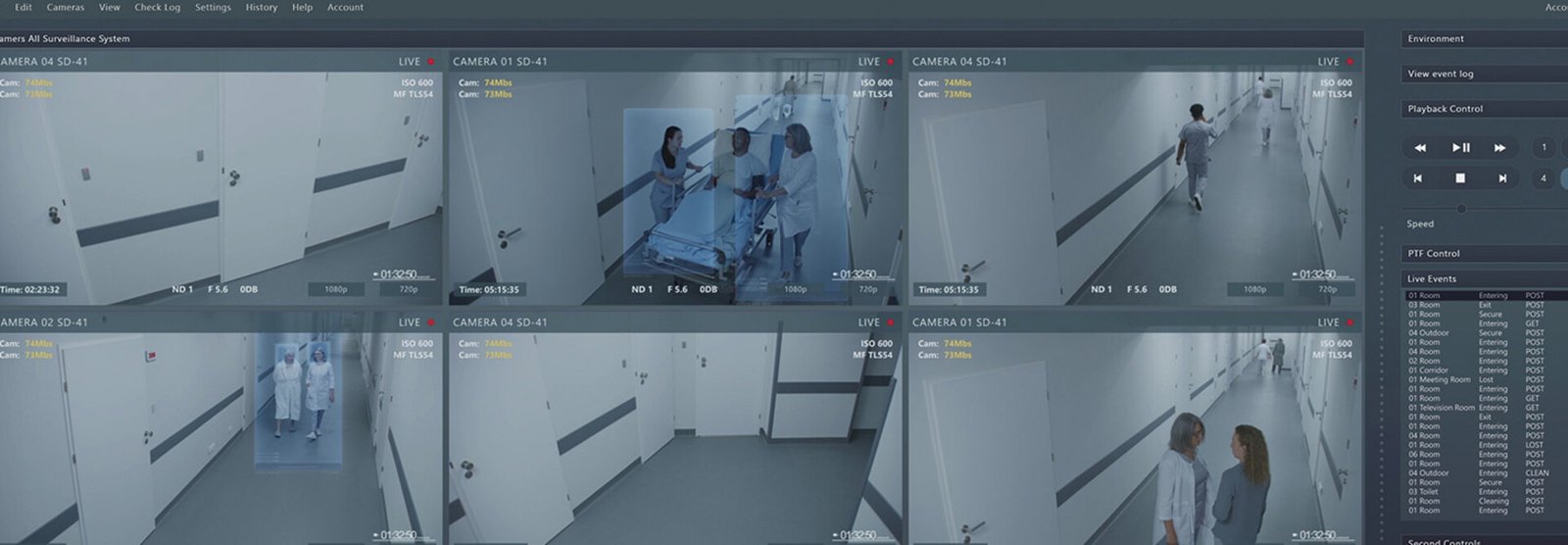
These advanced AI systems are trained on a diverse array of weapon types, enabling them to differentiate between various firearms and benign objects like medical equipment. By reducing false alerts, they significantly improve security response capabilities. When a threat is detected, AI cameras alert the healthcare security team about its location and nature, allowing for real-time response unlike standard cameras that lack such functionalities.
Moreover, intelligent sensor portals can detect the magnetic signatures of firearms without requiring visitors to empty their pockets. These systems can also monitor behavior for signs of distress and respond to sounds such as raised voices or gunfire, enhancing proactive security measures. Baratta notes that this technology marks a shift from reactive to proactive security in healthcare settings.
For healthcare IT leaders considering AI weapons detection vendors, evaluating current security solutions and identifying existing risks is essential. Understanding the unique vulnerabilities of a facility involves inspecting entrance points, their operational hours, and studying local crime statistics. This thorough assessment enables leaders to choose appropriate AI technologies tailored to their specific needs. Emergency rooms, given their higher exposure to risk, require additional security measures like AI cameras and restricted access to safeguard against unauthorized individuals.
In summary, enhancing security in healthcare settings involves addressing the inherent risks of open access, leveraging advanced AI technologies, and evaluating existing security structures to ensure robust protection for all facility users.
The content above is a summary. For more details, see the source article.









