


Key Takeaways
- Las Rozas, near Madrid, implements AI technology for urban planning through the EU-funded AMIGOS initiative.
- Smart cameras analyze pedestrian and traffic flows to enhance safety and comfort in public spaces.
- Other European cities are adopting similar AI technologies to improve urban living and citizen engagement.
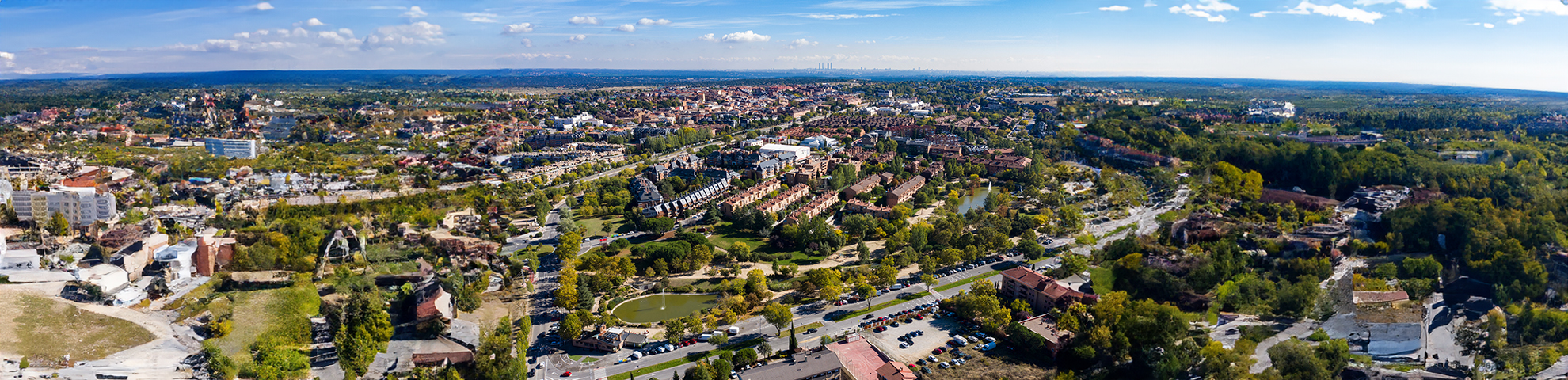
Las Rozas, a suburban town just north of Madrid, is embracing new technologies as part of the EU-funded AMIGOS initiative aimed at improving urban living. Here, smart cameras monitor pedestrian and traffic patterns to help design safer and more user-friendly public spaces. This initiative aligns with the EU’s mission to support 112 cities in becoming climate-neutral and smart by 2030.
The cameras, developed by the Austrian Institute of Technology, utilize artificial intelligence to process large amounts of data rapidly, offering city planners insights into real usage of their spaces. Martin Krekeler from the Senate Chancellery of Hamburg emphasizes that the project addresses critical public safety concerns, such as the ability for children to navigate their neighborhoods independently.
In Las Rozas, the focus is on enhancing safety in the busy Las Matas area, where highways converge with local roads and public transit. Nuria Blanco Caballero from Las Rozas Innova highlights the traffic-safety challenges, stating that interactions between vehicles and pedestrians lead to risky situations. Planned renovations will include secure bike parking, electric vehicle charging stations, and improved road markings alongside physical barriers for safety.
Feedback from local surveys has guided the project’s design, revealing patterns like the tendency for people to avoid designated crosswalks, leading to potential hazards. Concrete actions being taken include the installation of new sidewalks and comprehensive redesigns of intersections.
The success of AMIGOS has inspired similar initiatives across Europe. The ELABORATOR project, for instance, also incorporates AI to study traffic conditions in cities like Copenhagen and Issy-les-Moulineaux. Dynamic traffic management systems in these cities adjust to the volume and type of road users, enhancing safety for cyclists and motorists.
These initiatives aim not only to improve urban infrastructure but also to empower citizens by integrating their needs into city planning. As cities adapt to new technologies, there is a concerted effort to reduce dependence on large tech companies for data while prioritizing residents’ voices.
Looking ahead, Las Rozas plans to expand its smart planning approach citywide, with a goal to streamline access to schools and improve overall movement flows. By combining technology with public input, the city aims to create urban environments that serve their communities effectively and sustainably.
The research discussed is part of the EU’s Horizon Programme, focusing on green and digital transitions within urban spaces. Although the views presented do not necessarily represent those of the European Commission, they emphasize the importance of community-driven development in transforming city landscapes.
The content above is a summary. For more details, see the source article.









