


Key Takeaways
- The Air Force estimates a $4.5 million cost to restore nuclear capability to 30 B-52 bombers, previously modified to carry only conventional weapons.
- This proposal comes amid discussions about the future of nuclear arms control as the New START treaty expires in 2026, with some lawmakers advocating for preparedness without restrictions.
- Opponents express concerns that reversing the conventional modifications could hinder future treaty negotiations and complicate plans for upgrading the aging B-52 fleet.
Restoring Nuclear Capability to B-52 Bombers
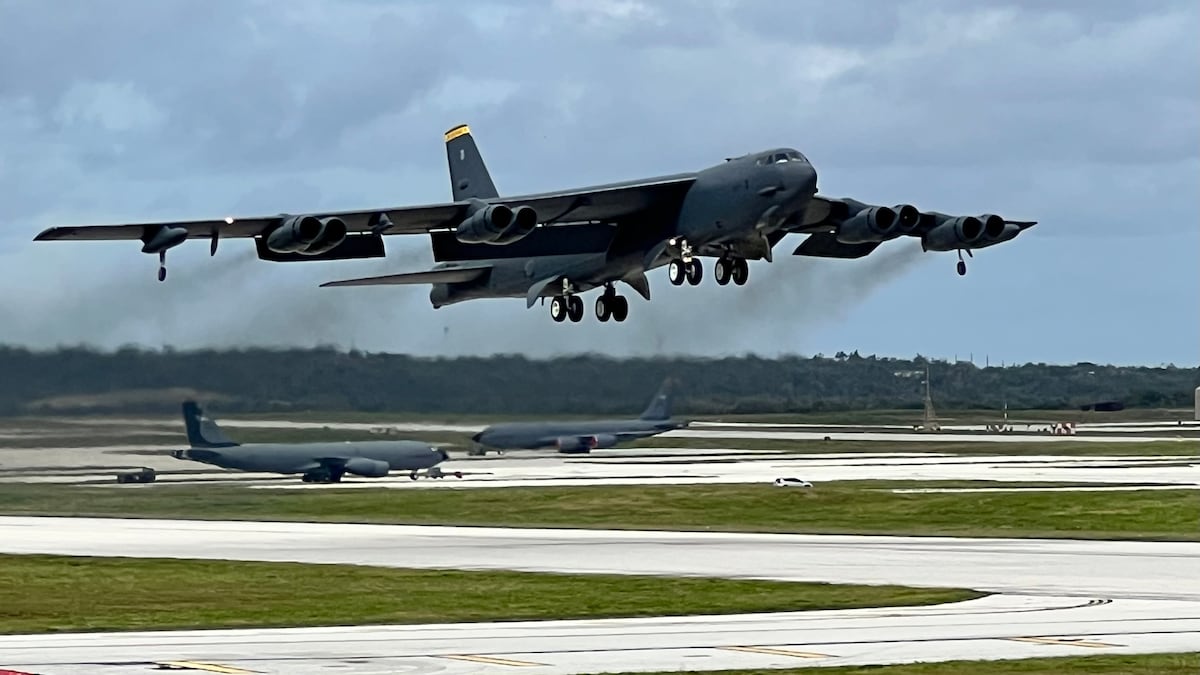
The U.S. Air Force has projected that it would cost approximately $4.5 million to restore nuclear weapon capabilities on about 30 B-52 bombers. This estimate arises from recent Congressional proposals to evaluate strengthening the nation’s nuclear arsenal in the coming years.
The conversion discussion is featured in both the House and Senate armed services committees’ defense policy bills for fiscal year 2025. The bombers, originally equipped for nuclear armament, underwent modifications in 2015 to comply with the New START treaty, a significant U.S.-Russia arms control agreement. This treaty restricts the nuclear capabilities of both nations and is scheduled to expire in 2026, prompting concerns that negotiations with Russia may be ineffective moving forward.
Brian Knight, the Deputy Senior Materiel Leader in the Air Force’s B-52 bomber program office, indicated on Tuesday that the Air Force is ready to implement the conversions promptly, aiming to begin shortly after the treaty’s expiration in 2026. The estimated timeline for completing the nuclear capability restorations is by 2029. Knight emphasized that the procedures required for the conversions are well understood and considered straightforward due to existing knowledge and experience.
Currently, the Air Force operates a total of 76 B-52s, which have been in service since 1976, originally designed to carry both nuclear and conventional weapons. The decision to convert 30 of these bombers to a conventional-only role was a direct response to the stipulations of New START.
However, this proposal has met with significant opposition from some lawmakers, such as Rep. Adam Smith of Washington, the top Democrat on the House Armed Services Committee. Smith has raised alarms that reinstating nuclear capabilities might complicate any future negotiations about arms control. He expressed concerns during the House’s debate in June, suggesting that the conversion process could interfere with ongoing modernization efforts to enhance the aging B-52 fleet, which aims to remain operational potentially into the 2050s or even 2060s.
The Department of Defense reportedly does not favor immediate plans to increase its nuclear stockpile, as current focus is on modernization, which includes extending the operational life of the B-52s. Smith stressed that investing in nuclear capabilities would introduce an additional financial burden without aligning with the current modernization goals.
Despite these concerns, Knight reassured that the Air Force could interlace the conversions into routine maintenance schedules. Brig. Gen. Erik Quigley, the program executive for bombers, acknowledged the need for some adjustments to the typical depot schedule, which is planned two years ahead, but noted that the workload required for the nuclear modifications would remain manageable.
As the dialogue about the future of U.S. nuclear capabilities continues, the Air Force remains adaptable, emphasizing readiness while also balancing modernization and arms control considerations.
The content above is a summary. For more details, see the source article.









