

Key Takeaways
- Airbus UK secures a £150m contract to develop the Rosalind Franklin Mars rover, set to land on Mars in 2030.
- The mission aims to search for signs of ancient life and enhance understanding of planetary climate shifts.
- Collaboration among UK universities and international partners reinforces the UK’s leading role in space exploration while boosting its economy.
Historic Mars Exploration Mission
The United Kingdom is set to make a significant impact in space exploration with Airbus UK securing a £150 million contract to deploy the first European-built rover on Mars, named the Rosalind Franklin. This mission, funded by the UK Government and the European Space Agency (ESA), aims to land on the Martian surface in 2030.
The rover’s primary objective is to drill up to two meters beneath the Martian soil to search for fossilized microbes, providing insights into the planet’s history and the potential for past life. This mission plays a critical role in advancing the scientific understanding of planetary formations and climate changes, paralleling those experienced on Earth.
Paul Bate, CEO of the UK Space Agency, emphasized the groundbreaking nature of the mission, stating it represents humanity’s quest to explore life’s existence beyond Earth. The impacts of discoveries in space exploration extend into various sectors, driving investment and technological innovations that benefit life on Earth.
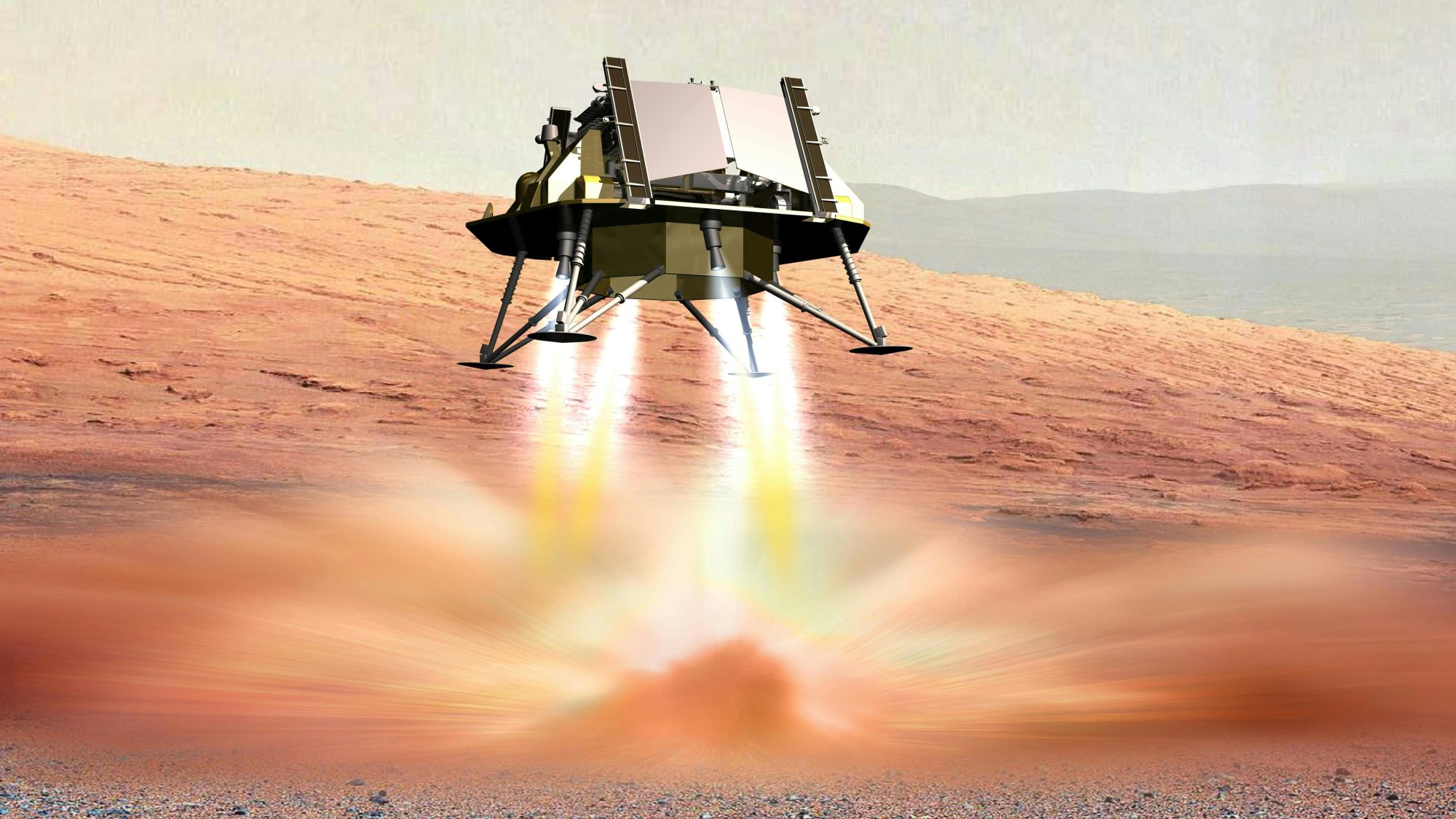
The Rosalind Franklin rover is a key component of the ExoMars programme and was built entirely at Airbus UK’s facility in Stevenage. Initially scheduled for launch in 2022, the mission faced delays due to geopolitical tensions affecting collaboration with Russian partners. Following these challenges, the UK and its international allies stepped in to replace vital components, including the landing platform.
This ambitious project leverages state-of-the-art robotics and autonomous navigation systems, which not only fulfill the mission’s requirements but are also applicable to Earth-based hazardous environments, such as nuclear plants and deep-sea exploration.
Kata Escott, Managing Director of Airbus Defence and Space UK, highlighted the international collaboration and technological advancements involved in the mission. The rover will be the first capable of conducting analyses on Martian samples taken from significant depths, contributing to our understanding of life beyond Earth.
The initiative also harnesses support from leading UK universities, which are developing key instruments for the rover. This includes scientists from institutions like University College London and the University of Leicester, who are working on the PanCam camera system and an infrared spectrometer to analyze Martian rock for biological evidence.
The impact of the Rosalind Franklin Mars rover extends beyond its scientific goals. It is expected to create approximately 200 skilled jobs within the UK’s space sector and attract further international investment. This project exemplifies the UK’s commitment to technological growth and innovation, reinforcing its standing as a leader in space exploration and paving the way for future discoveries on Mars.
The content above is a summary. For more details, see the source article.