


Key Takeaways
- Alberta’s renewable energy sector faces uncertainty due to recent policy changes and a moratorium on new projects.
- While 44 new generation projects are approved for 2024, many remain unconstructed, impacting investor confidence.
- The Pembina Institute recommends that the Alberta government clarify its vision for renewable energy to stimulate investment.
Current State of Alberta’s Renewables Sector
A recent report from the Pembina Institute highlights significant challenges in Alberta’s renewable energy sector, primarily stemming from a seven-month moratorium on new wind and solar projects in 2023, market restructuring, and ongoing legal disputes over federal clean electricity regulations. The report indicates that despite the moratorium being lifted over two years ago, uncertainty persists, affecting investor enthusiasm for new projects.
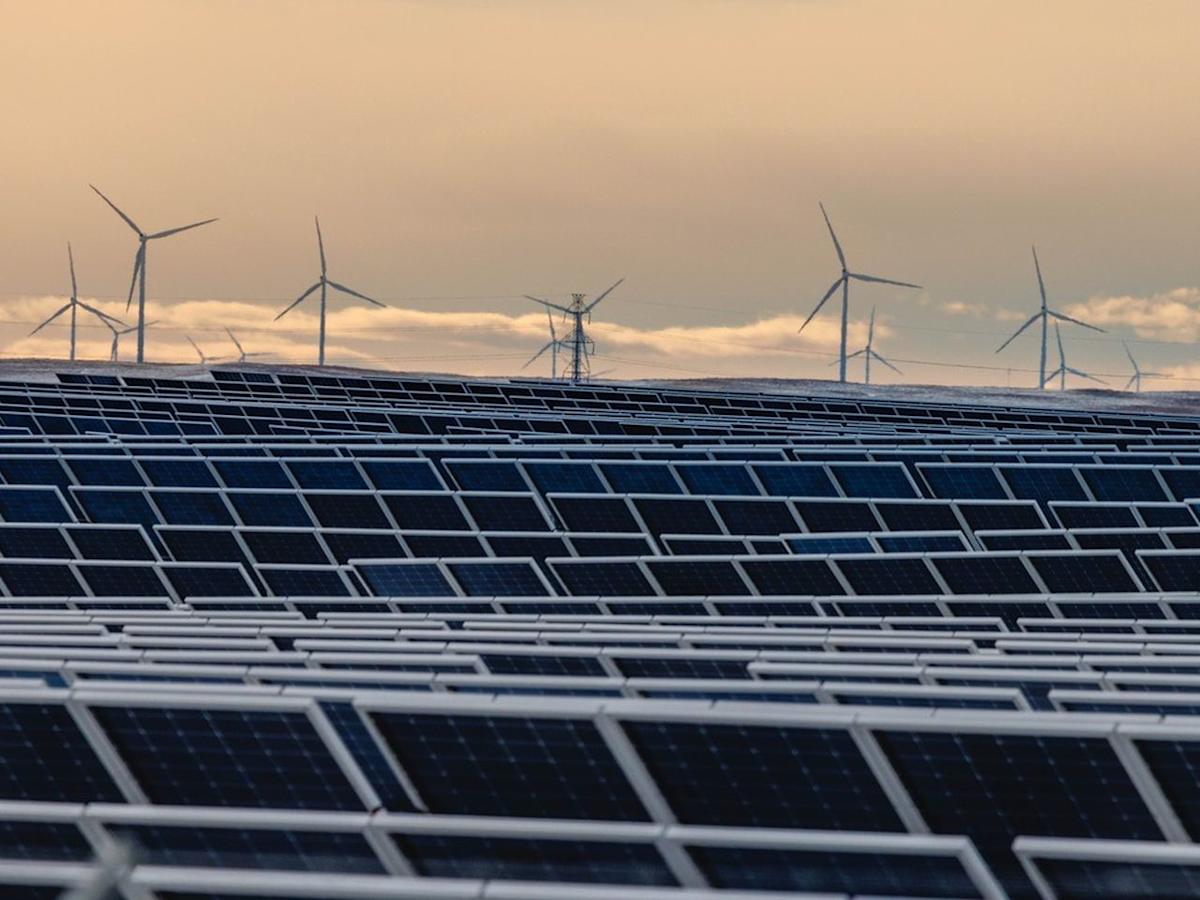
In 2024, the Alberta Utilities Commission approved 44 new generation projects, including 24 renewable projects, a notable increase from the previous years. However, Will Noel, a senior analyst at Pembina, emphasizes that project approvals do not guarantee construction. Many approved projects remain stalled, awaiting more favorable conditions. Currently, 10 solar projects are under construction generating 1,900 megawatts (MW), while another 15 solar projects are approved but not yet underway, capable of producing 1,200 MW.
Industry stakeholders are calling for clearer guidance from the Alberta government. Pembina’s report urges the province to articulate a comprehensive vision for a clean and affordable electricity system. Recommendations include providing clear indicators on where development will be restricted and modernizing electricity regulations. Noel notes that while the number of new proposals remains steady, project cancellations are increasing due to the unclear regulatory landscape.
The provincial government asserts that it has laid out a balanced approach to renewable energy development, aimed at ensuring a reliable and sustainable grid for the future. They claim to have decreased electricity costs over the past year and improved grid stability through additional baseload power generation.
An analysis comparing Alberta’s situation to Texas and South Australia reveals that while the latter two have seen growth in wind, solar, and battery projects, Alberta has experienced a decline in similar developments. Noel pointed out that although solar activity continues to grow, interest in wind projects has plateaued.
Factors contributing to investor hesitance include restrictions on renewables located on agricultural land and the protection of scenic landscapes, along with ongoing market restructuring. Investors are deterred by the lack of stabilization in new rules, fearing that without clarified guidelines, they should look elsewhere for opportunities.
In conclusion, concerns about long-term policy implications combined with a softening market are significant deterrents for investment. With the current climate of uncertainty, attracting and retaining investor interest in Alberta’s renewable energy sector remains a complex challenge.
The content above is a summary. For more details, see the source article.









