


Key Takeaways
- Amazon will disable local voice request processing for three specific Echo devices on March 28, 2024, affecting users who opted for the “Do Not Send Voice Recordings” feature.
- Only a minority of Echo devices had local processing capabilities, and the majority do not support this feature.
- Amazon emphasizes that user data will remain encrypted and secure while transitioning to enhanced AI processing in the cloud.
Changes to Alexa Voice Data Processing
Amazon is making a significant shift in how voice requests are handled for its Echo devices. Starting on March 28, 2024, local processing of voice requests will be disabled for users of the Echo Dot 4, Echo Show 10 (3rd Gen), and Echo Show 15, specifically for those who previously enabled the “Do Not Send Voice Recordings” option in their Alexa app settings. While this update has raised concerns regarding privacy, it’s essential to understand the implications and scale of this change.
This move received media attention, especially because Amazon has faced scrutiny over privacy issues in the past, including incidents where employees would listen to recorded interactions. However, Amazon has since adopted stronger privacy measures, including data encryption and a commitment to delete voice recordings from its servers.
The reality is that the majority of Echo devices do not have the capacity for on-device voice processing. The feature being discontinued only impacted a small number of users who had specifically activated the relevant setting. Historically, Amazon had aimed to implement on-device processing to reduce latency and bandwidth usage in response to consumer demand. However, the complexity involved in developing effective local speech processing turned out to be significant, especially given the limited computing power available on Echo devices.
In practice, the on-device processing for the three affected models had a limited scope. It was primarily used to recognize voice commands, transcribe speech to text, and send that text to the cloud for further processing. Consequently, the audio data was deleted after this initial step, which means the local processing wasn’t as comprehensive as some users might have thought.
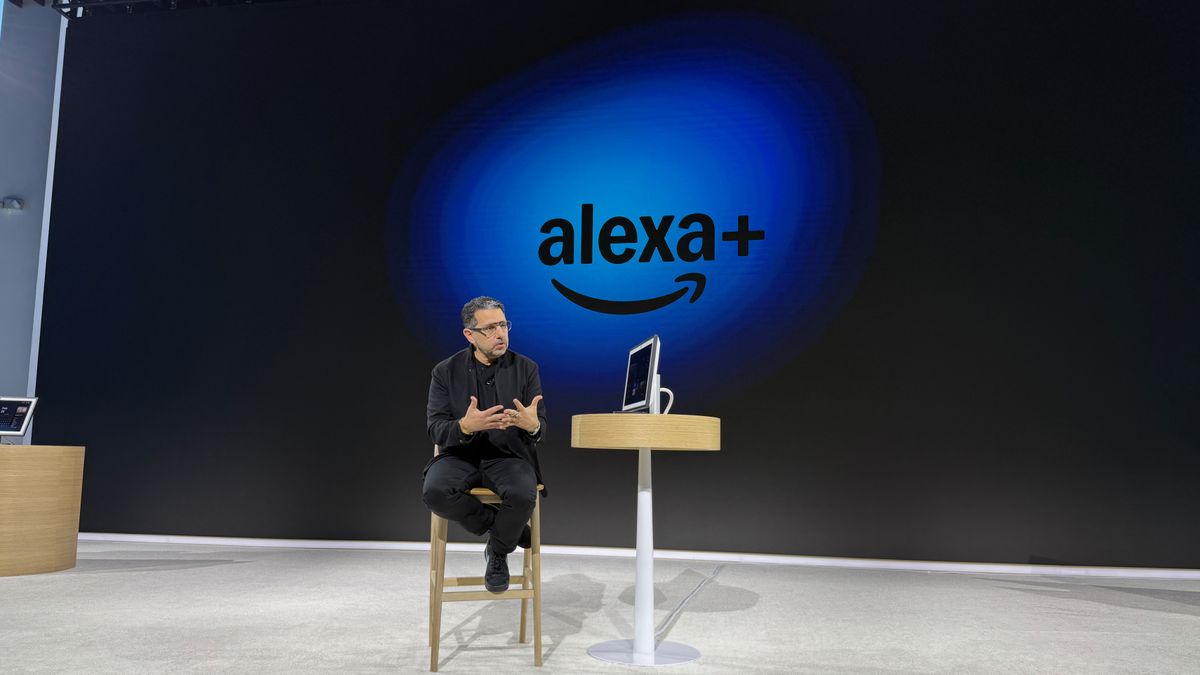
The shift to cloud processing aligns with Amazon’s broader strategy to enhance the capabilities of Alexa through the more powerful and sophisticated AI models that require significant processing power. These advanced models, along with the recent introduction of Alexa+, are designed to provide a more conversational and context-aware experience. While user data during this process will remain encrypted in transit, it will be decrypted in the cloud to enable AI analysis.
In response to concerns about privacy, Amazon stated that the Alexa experience is focused on customer privacy and security. The company is prioritizing privacy controls that align with generative AI capabilities, allowing users to manage their voice recordings while utilizing Amazon’s secure cloud services. Furthermore, they plan to continue adjusting their privacy offerings based on user feedback.
In summary, while the discontinuation of local processing for specific Echo devices may seem concerning, it affects only a limited group of users and is part of Amazon’s transition towards a more robust AI experience. The company maintains a commitment to user data security while adapting to the evolving landscape of artificial intelligence and voice interaction.
The content above is a summary. For more details, see the source article.









