


Key Takeaways
- Karma Automotive, emerging from Fisker’s bankruptcy, plans to launch its fully electric Kaveya in 2027, featuring advanced battery technology.
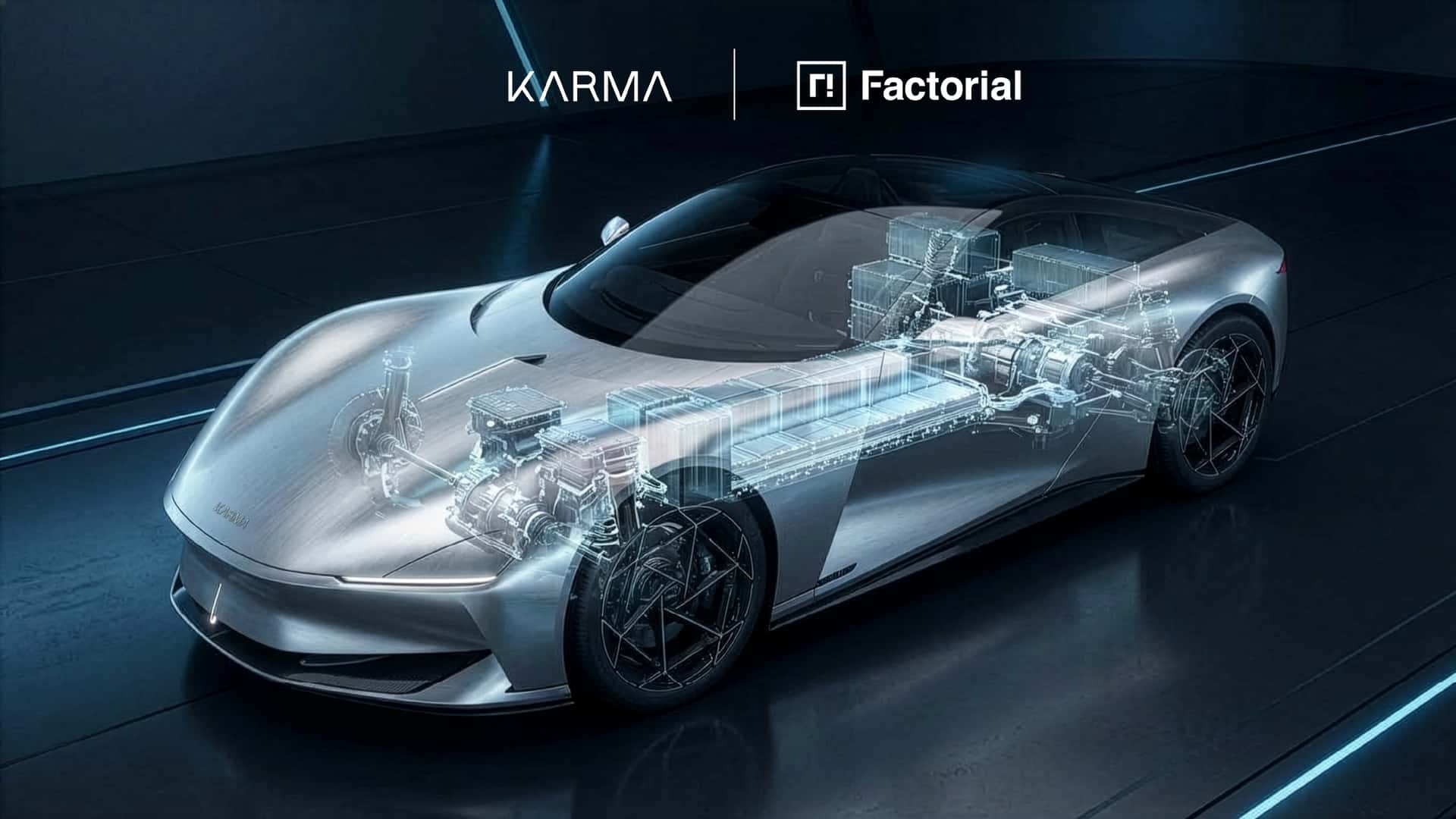
- The Kaveya will utilize semi-solid-state batteries from Factorial Energy, aiming for a range of over 250 miles and impressive performance specs.
- Karma’s strategy focuses on high-end, low-volume production, distinguishing it from mass-market competitors like Rivian and Lucid.
Karma Automotive’s Unique Position
Karma Automotive, originating from the bankruptcy of Fisker Automotive in 2014, is entering a competitive electric vehicle (EV) market with plans to launch several models, including the Kaveya by 2027. This luxury EV will utilize semi-solid-state battery cells from Massachusetts-based Factorial Energy.
Solid-state batteries are regarded as the pinnacle of battery technology for their efficiency and performance; however, their commercial availability remains limited, with no current vehicles in the U.S. market using them. Karma hopes that by producing a limited number of high-end vehicles, it can effectively pilot these emerging technologies, as indicated by CEO Marques McCammon.
Karma’s History and Evolution
The company has a rich history, having rebranded under Chinese conglomerate Wanxiang after acquiring Fisker’s assets. Since its inception, Karma has released various iterations of its Revero extended-range electric vehicle (EREV). The current model retains the striking design of the original Fisker Karma but features enhancements, including an upgraded powertrain sourced from BMW instead of GM. The production of the Revero has recently ceased, with only 146 units made last year.
Karma’s upcoming models, Gyesera (a four-door GT) and Amaris (a two-door coupe), are set to follow a similar powertrain strategy as the Revero. Each vehicle is designed, engineered, and manufactured in the U.S., with no reliance on Chinese powertrains.
Introducing the Kaveya
The Kaveya is poised to make a significant impact, boasting over 250 miles of range, more than 1,000 horsepower, and a top speed exceeding 200 mph. Its design, which includes gullwing doors, reflects a luxury aesthetic similar to Ferrari. The vehicle features an innovative battery architecture termed “dog bone,” in which the battery pack is arranged horizontally at both ends of the car and connected through a central tunnel. This layout allows for a sportier driving position as well as improved weight distribution and packaging efficiency.
Factorial’s semi-solid-state batteries are already in advanced development, showing promising results with partnerships like Mercedes-Benz, where prototypes have reflected impressive ranges. Karma believes that utilizing these next-generation batteries will distinguish its offerings within the luxury segment.
Karma’s Market Strategy
Karma has established a reputation for exclusivity, having sold approximately 1,000 vehicles across North America and Europe since its inception. The company is not seeking to transition into the volume production territory occupied by manufacturers such as Rivian or Lucid, focusing instead on high-end models with a retail price often surpassing $150,000.
Despite the competition in solid-state battery development—evident with firms like QuantumScape and Solid Power—Karma’s relatively niche approach positions it uniquely within the market. While broader adoption of solid-state technology in mass-market vehicles may take time, Karma is set to lead the charge in luxury EV innovations with the upcoming Kaveya.
The content above is a summary. For more details, see the source article.









