


Key Takeaways
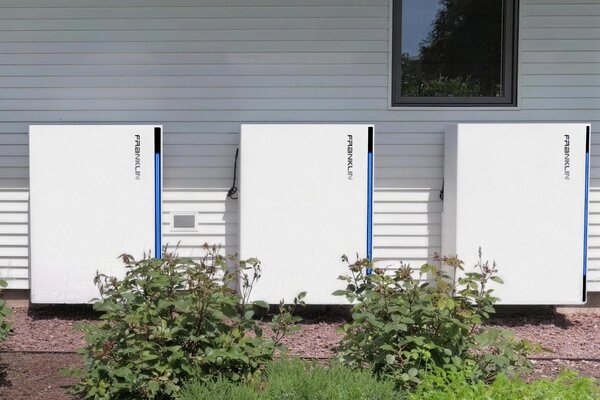
- Ann Arbor’s pilot program will install the FranklinWH System, including aPower S batteries, in about 150 homes.
- This initiative marks the first deployment of residential solar and battery systems by a municipal utility in the U.S.
- The program aims to enhance energy independence and promote sustainable practices within the community.
Introduction of a Groundbreaking Energy Project
The city of Ann Arbor is launching an innovative pilot program to integrate solar energy and battery systems into residential homes. This initiative will see approximately 150 homes equipped with the FranklinWH System, featuring cutting-edge aPower S batteries. The project is significant as it represents the first effort by a city-owned utility in the U.S. to procure and implement residential solar and battery technology for behind-the-meter energy use.
Ann Arbor aims not only to promote energy independence but also to foster sustainable living among its residents. Solar energy systems, combined with battery storage, can provide households with a reliable power source while reducing reliance on the grid. This move reflects a growing trend among municipalities to enhance local energy resilience and sustainability.
By enabling homes to generate and store their own energy, the program is expected to increase overall efficiency and lower energy costs for participants. Additionally, the initiative aligns with broader environmental goals, contributing to reduced carbon emissions and promoting the use of renewable energy sources.
The decision to pursue this pilot program is a strategic step for Ann Arbor as it seeks to lead the way in residential energy solutions. The city recognizes the critical role that local governments can play in transitioning towards a more sustainable energy future. Ann Arbor’s municipal utility is committed to exploring innovative technologies that not only benefit the environment but also provide tangible benefits to the community.
Local officials have expressed enthusiasm about the project, highlighting its potential to serve as a model for other cities across the country. As more municipalities look to combat climate change and embrace clean energy, the insights and results garnered from Ann Arbor’s pilot could inform similar initiatives nationwide.
Community members are encouraged to participate in the program and take advantage of the benefits that solar energy and battery storage can provide. This initiative also opens up further discussions about energy equity and access, ensuring that all residents have the opportunity to engage in sustainable practices.
The FranklinWH System and its integration into homes represent a milestone in the evolution of residential energy systems. By utilizing advanced technology, residents will have greater control over their energy usage and costs. The partnership between the city and FranklinWH is expected to foster innovation and set a precedent for future projects in the realm of sustainable energy.
In summary, Ann Arbor’s pioneering pilot initiative serves as an important step toward enhancing energy sustainability and independence in residential areas. The program signifies a growing recognition of the benefits that come with harnessing renewable energy sources and the necessity of adapting local utilities to meet the demands of modern energy consumption. This effort not only benefits individual households but also serves the larger goal of creating a cleaner, more resilient energy landscape.
The content above is a summary. For more details, see the source article.









