


Key Takeaways
- Apeel Sciences, once valued at over $2 billion, has faced significant challenges, reducing its workforce from 450 to 50 amid a misinformation campaign.
- The company pivoted its business model to sell directly to suppliers while refining its product to lower operational costs and improve ease of application.
- Apeel’s efforts to combat misinformation have led to retractions from some influencers and renewed interest from potential retail partners, particularly in Europe.
Background on Apeel Sciences
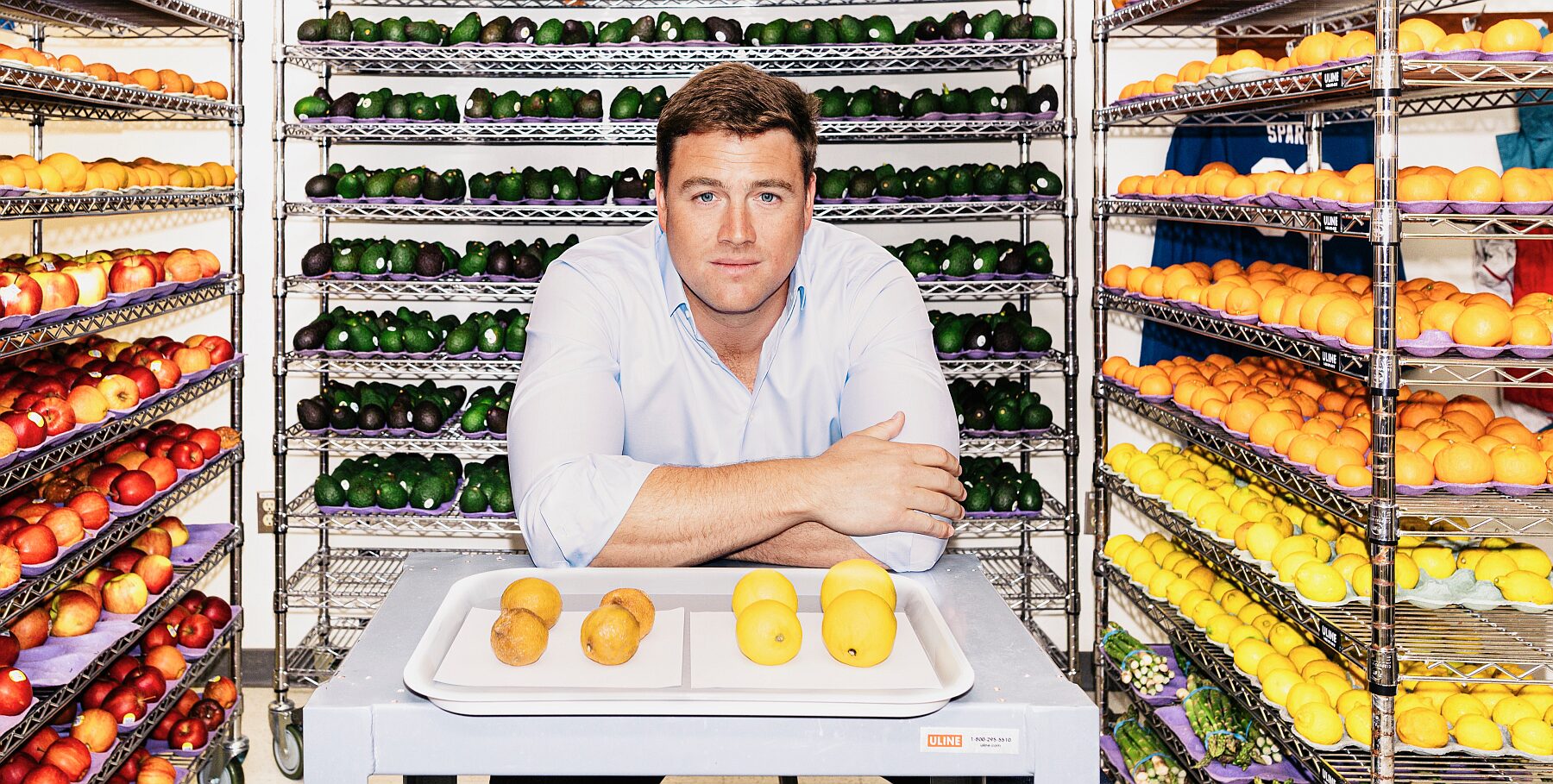
Founded in 2012 by James Rogers, Jenny Du, and Louis Perez at UC Santa Barbara, Apeel Sciences is known for its innovative, plant-based coatings designed to extend the shelf life of fresh produce. Their technology uses lipids sourced from agricultural by-products to create a protective barrier that maintains moisture and aids in ripening.
Business Downturn and Misinformation Campaign
In 2021, Apeel reported a workforce of 450 and a valuation exceeding $2 billion, backed by major investors like Temasek and Katy Perry. However, a recent surge of misinformation online led to substantial reputational damage. The company faced accusations that its products were toxic, with social media posts branded by co-founder Dr. James Rogers as a “coordinated attack.” This false narrative, often perpetuated by influencers, prompted significant retailers like Costco and potential partners like Walmart to discontinue relationships, causing expected revenue losses over $60 million.
The misinformation campaign, which ramped up in 2023, coincided with internal company restructuring and layoffs intended to address inefficiencies. Dr. Rogers pointed out that even as they worked to enhance their product and business model, they were bombarded with false claims that hindered progress.
Refining the Business Model
Apeel’s initial product formulation required costly bespoke equipment and significant labor, which made it challenging for partners to adopt. However, the launch of a new, more efficient liquid formulation significantly reduced costs and simplified application. With these changes, Apeel shifted focus from primarily retail sales to direct supply partnerships, optimizing the process for suppliers.
Despite substantial pushback from misinformation, Apeel has made strides to present factual responses and build alliances with suppliers. Legal action against specific influencers accused of spreading false information has garnered settlements, aiding efforts to mitigate the negative impact on consumer perception.
Current Market and Future Prospects
Apeel products are still successfully marketed and utilized in regions like Europe, though they remain sidelined in the US market due to ongoing concerns from retailers. Rogers noted a growing demand for the technology in response to escalating food prices, marking a potential rebound.
The establishment of new products like RipeTrack—a toolkit for measuring fruit ripeness without damage—and the expansion of their Fresh Formulaics line indicate continued innovation at Apeel. These products aim to replace chemical treatments and offer solutions credible to consumers desiring cleaner food options.
In conclusion, while the fallout from the misinformation campaign has severely affected Apeel’s operations, ongoing advancements in product development and evolving customer dynamics suggest a pathway for recovery and growth in future markets. The company remains committed to improving the freshness of produce while battling against misleading narratives that threaten its reputation and market presence.
The content above is a summary. For more details, see the source article.









