


Key Takeaways
- A bipartisan group of lawmakers is demanding explanations for the Army’s decision to dissolve a newly created drone battalion.
- The “Unmanned Assault Battalion” was established to enhance U.S. military tactics based on lessons learned from Ukraine’s ongoing conflict with Russia.
- Recent leadership changes and conflicts in the military raise concerns about the Army’s commitment to modernizing drone warfare and adapting to evolving combat scenarios.
Concerns Over Drone Battalion Closure
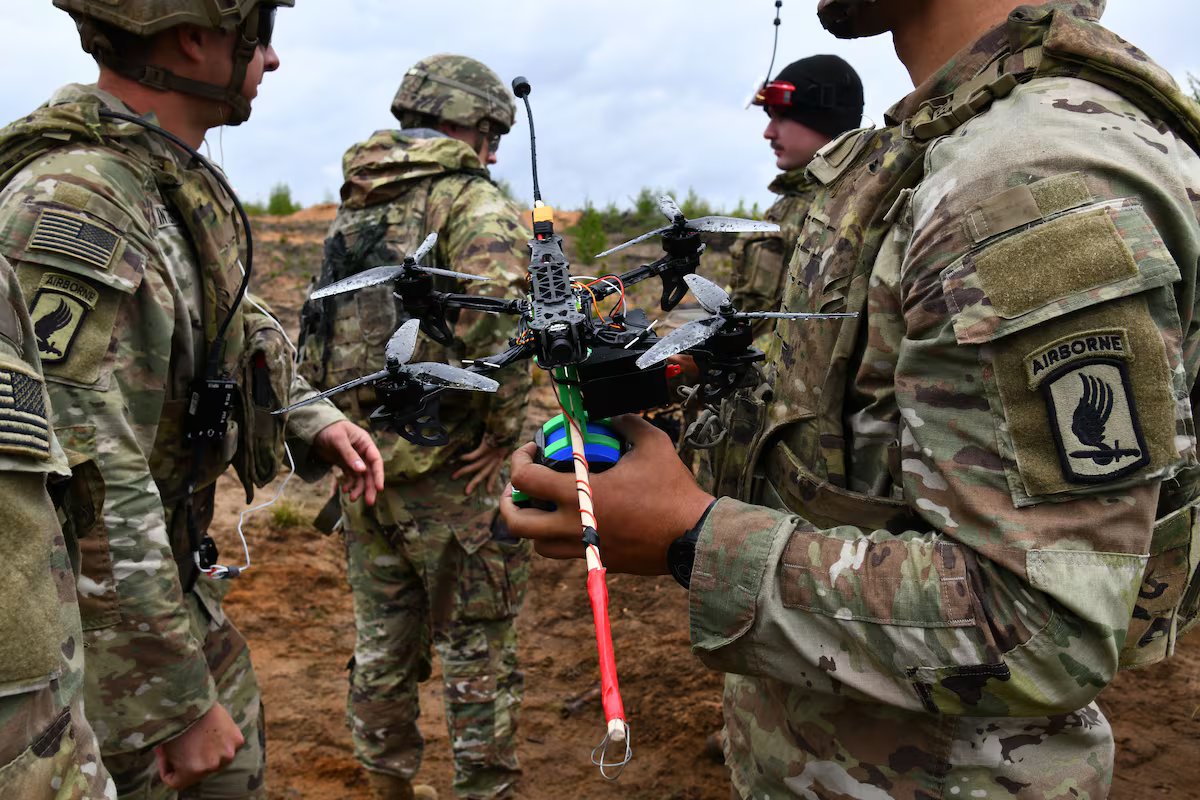
A bipartisan coalition of lawmakers is urging the Army to clarify its reasoning behind the closure of the “Unmanned Assault Battalion,” established less than a year ago. This specialized unit was part of the 173rd Airborne Brigade, tasked with studying tactics from Ukraine’s prolonged battle against Russia to inform U.S. military strategies.
In a letter dated September 1, legislators voiced apprehension that shutting down this battalion reflects the Defense Department’s inconsistent support for European and Ukrainian defense efforts. They emphasized that this decision could hinder the U.S. military’s ability to adapt its drone warfare tactics—a crucial aspect of modern conflict. Senators Jeanne Shaheen, Thom Tillis, Angus King, and Representative Michael Turner expressed concerns about the impact this closure would have on learning from allies, particularly Ukraine.
The lawmakers noted the increasingly rapid evolution of warfare, contrasting the Army’s traditional structures with the necessity for quicker adaptation. They questioned whether the decision to dissolve the unit originated from the Army itself or was driven by higher Defense Department directives. The lawmakers have requested a full explanation by September 21.
Currently, the battalion is set to transition back to its airborne infantry duties following participation in the multinational Exercise Saber Junction. The letter, addressed to Acting Army Chief of Staff Gen. Christopher LaNeve and outgoing Army Secretary Dan Driscoll, points to Gen. LaNeve’s push for a “back to basics” strategy focusing on primary combat missions as a potential reason for the battalion’s closure.
The Army has undergone significant leadership changes recently, including the dismissal of over a dozen high-ranking officials by Defense Secretary Pete Hegseth. Former Army Chief of Staff Gen. Randy George, an advocate for drone innovation, was removed at Hegseth’s direction, with no successor nominated yet. Driscoll, who supported modernization efforts, resigned abruptly amid reported tensions with Hegseth, further weakening the Army’s leadership at a time when the U.S. continues to confront challenges in the Middle East, including an ongoing conflict with Iran that shows no signs of resolution.
The closure of the “Unmanned Assault Battalion” raises important questions about the direction and priorities of the Army, particularly in the context of new warfare dynamics and the need for an agile response to threats. This situation remains critical as lawmakers seek clarity on how the Army plans to continue adapting in an era defined by rapid technological advancements in combat.
The content above is a summary. For more details, see the source article.









