

Key Takeaways
- Defense Secretary Lloyd Austin has led the Ukraine Defense Contact Group, convening nations to support Ukraine with $126 billion in military aid over three years.
- With Donald Trump likely returning to the White House, concerns arise about the future of U.S. support for Ukraine and the sustainability of the defense coalition.
- Austin’s final aid package includes $500 million in military support, aimed at maintaining momentum for Ukraine amid uncertain future funding from Congress.
Shifting Dynamics in U.S. Support for Ukraine
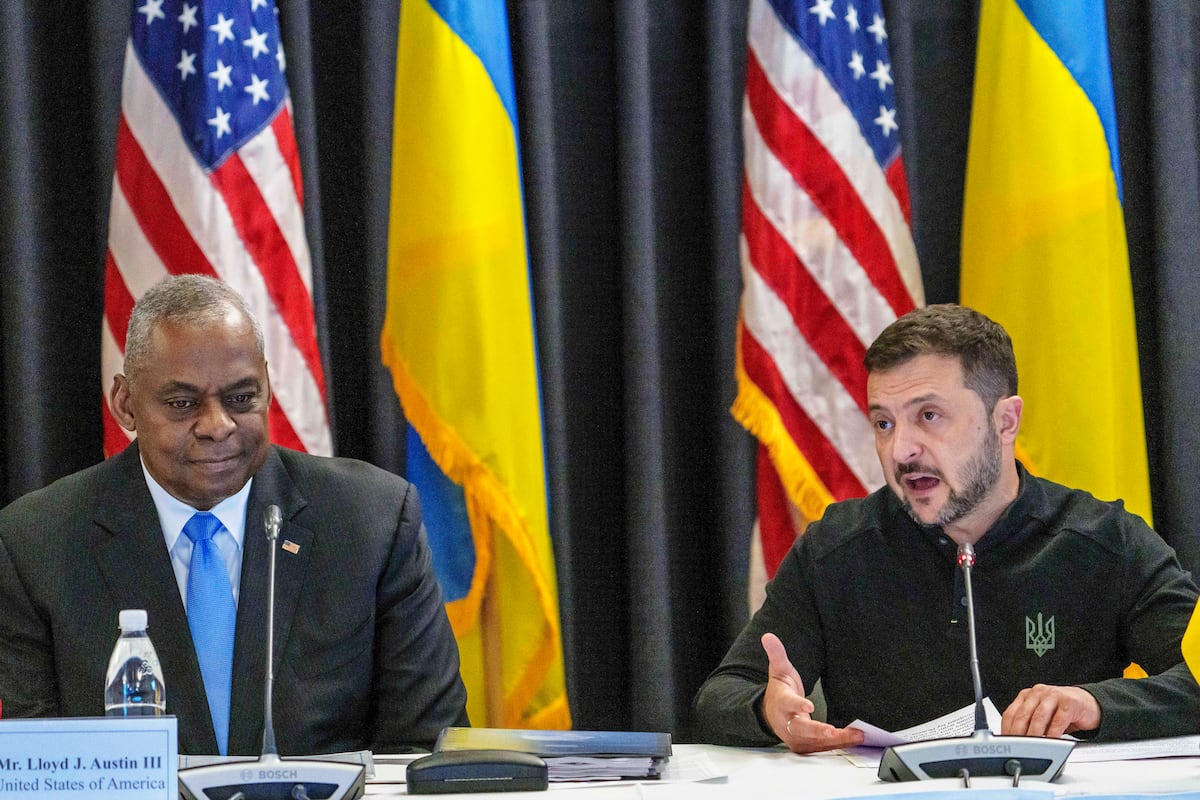
At a recent meeting held at Ramstein Air Base, U.S. Defense Secretary Lloyd Austin reflected on his leadership of the Ukraine Defense Contact Group as he prepares to step down. Throughout his tenure, Austin has gathered representatives from 50 nations a total of 25 times, mobilizing around $126 billion worth of military assistance to Ukraine. The meeting came during a critical period, just days before Donald Trump is set to return to the presidency with a promise to reevaluate U.S. involvement in the Ukrainian conflict.
Austin’s handover occurs amidst fears that the incoming administration may not prioritize this coalition, especially after Trump signaled a desire to expedite an end to the war. European officials are particularly apprehensive about Trump’s potential nomination of Pete Hegseth, which they fear could jeopardize ongoing support for Ukraine and undermine the coordination fostered during Austin’s leadership. Ukrainian President Volodymyr Zelenskyy underscored the need for continued unity and collaboration among allies in light of these changes.
At the meeting, Austin announced an additional $500 million in military aid, which includes air defense systems and critical supplies. This funding is part of the Biden administration’s total commitment of $66 billion to Ukrainian defense efforts, highlighting a significant investment in Ukraine amid ongoing aggression from Russia. However, the transition to a new administration may disrupt the flow of assistance, as the Trump administration will inherit more military authority without sufficient funds to replenish stocks, and Congress has yet to consider new financial support for Ukraine.
Defense officials recall prior challenges faced when the Pentagon ran out of funds, resulting in delays that negatively impacted Ukraine’s territorial integrity. Bill LaPlante, chief weapons buyer at the Pentagon, noted the importance of timely aid delivery, insisting that current supplies should last longer than previous instances when stocks dwindled rapidly.
Austin’s departure raises questions about the future effectiveness of the coalition, with officials expressing concern over the lack of a robust substitute for U.S. leadership. The existing unity that has characterized the group faces potential fragmentation as European leaders begin to echo Trump’s criticisms about defense spending and burdensharing within NATO. Kaja Kallas, the European Union’s top diplomat, suggested that European nations would need to step up their contributions moving forward.
Amidst the uncertainty, Austin reinforced the importance of sustained support for Ukraine, warning that any sign of withdrawal by the U.S. and its allies might embolden Russian aggression. Echoing his sentiments, Zelenskyy highlighted the criticality of maintaining current momentum, stating, “It would honestly be crazy to drop the ball now.”
As the coalition prepares for a transition in leadership, it remains to be seen how U.S. policy under Trump will influence the dynamics of military assistance to Ukraine and the collaborative efforts of the Defense Contact Group.
The content above is a summary. For more details, see the source article.