


Key Takeaways
- Researchers at the University of Queensland have developed a lead-free solar panel for wearable health devices.
- This innovative technology aims to eliminate the need for regular battery charging, enhancing user convenience.
- Future devices could rely on indoor light as a sustainable energy source, potentially improving everyday life.
Advancements in Wearable Technology
The rapid expansion of smartwatches and health-related wearables is often impeded by a common drawback: short battery life. Many devices require frequent charging, leading to user frustration when they forget to keep their wearables powered.
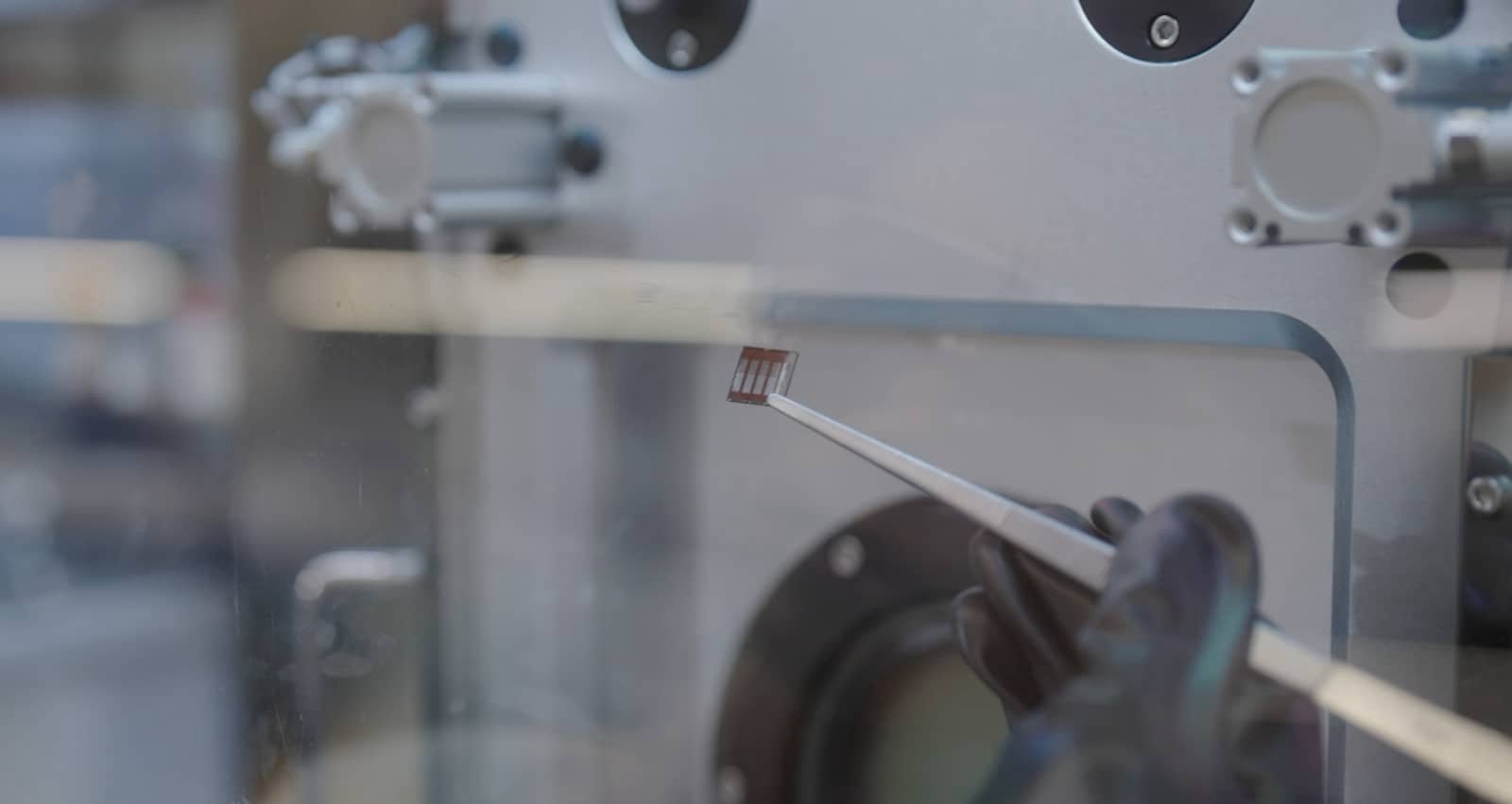
A promising alternative is emerging from researchers at the University of Queensland in Australia, who are exploring the use of lead-free solar panels designed specifically for wearable devices. Traditional solar panels contain lead, which poses health risks, especially in wearables that come into contact with skin. Dr. Miaoqiang Lyu and his team have created a customized indoor panel. This low-toxicity solution could power small health devices continuously without relying on batteries.
Dr. Lyu emphasizes the impact of wearable devices on preventative healthcare, stating, “Batteries need regular charging and eventual replacement while indoor photovoltaic technologies have the potential to provide a low-maintenance source of clean energy.” The ultimate goal is to design wearables that either function independently of a battery or utilize a minimal-sized battery that charges through ambient light.
If successful, the lead-free indoor photovoltaics could lead to a new generation of healthcare devices that are not only safer but also more user-friendly and sustainable. This innovation holds the potential to transform various small electronic devices by efficiently converting indoor light into energy, potentially eliminating the need for typical battery power.
While a timeline for implementation is not yet clear, the continuous advancement of technology suggests a future where the inconvenience of frequent charging may soon become obsolete, allowing light to replace conventional power sources in our everyday gadgets. This shift could significantly enhance the convenience of health wearables, making them more accessible and effective in supporting users’ health needs.
The content above is a summary. For more details, see the source article.









