


Key Takeaways
- Azerbaijan is focusing on developing climate-resilient cities as part of the Baku Climate Action Week 2025.
- The “White City” project in Baku is a key example of transforming polluted areas into sustainable urban spaces.
- The panel discussed challenges posed by urbanization, climate change, and the importance of international cooperation and community participation.
Panel Focuses on Climate-Resilient Cities
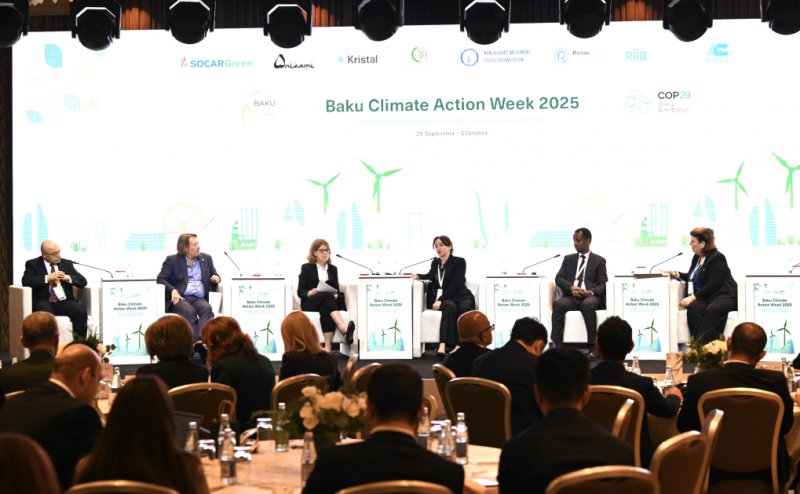
A panel discussion titled “Shaping Azerbaijan’s Future: Climate-Resilient and Healthy Cities and Communities” was held during the Baku Climate Action Week (BCAW 2025). Moderated by Anna Soave, Head of Country Programme at UN-Habitat Azerbaijan, the session addressed the importance of creating environmentally friendly and resilient urban spaces. It emphasized the role of urban planning and smart city innovations in mitigating climate risks, reducing emissions, and fostering sustainable lifestyles.
The panel showcased case studies and tools for scalable smart infrastructure implementations in Azerbaijani cities. Elmar Mammadov, Head of the Economic Cooperation Department at Azerbaijan’s Ministry of Foreign Affairs, discussed ongoing projects like “smart city,” “smart village,” and “green city” initiatives in recently liberated territories. Notably, he highlighted the “White City” project in Baku, which exemplifies efforts to convert neglected areas into green spaces.
Experts such as Paul Toyne, Head of Sustainability at GRIMSHAW; Abdinassir Shale Sagar, World Urban Forum Coordinator at UN-Habitat; and Lin O’Grady, Lead of the Smart Cities Initiative at the EBRD, contributed insights into the global challenges posed by rapid urbanization, climate change, demographic shifts, and migration.
The discussion further explored the critical aspects of climate resilience, community health and inclusion, policy-making, financial strategies, international collaboration, governance, and citizen engagement in the development of smart cities. The panel agreed that addressing these issues is crucial for building sustainable and adaptive urban environments that can respond effectively to escalating climate challenges.
The content above is a summary. For more details, see the source article.









