


Key Takeaways
- Bangladesh is exploring off-site renewable energy options as rooftop solar can only meet a small fraction of industrial demand.
- The introduction of merchant power plants allows private companies to sell directly to large consumers, potentially lowering energy costs.
- Open-access grid charges may impact the success of these initiatives, balancing interests of consumers, developers, and utilities is essential.
Bangladesh’s Renewable Energy Shift
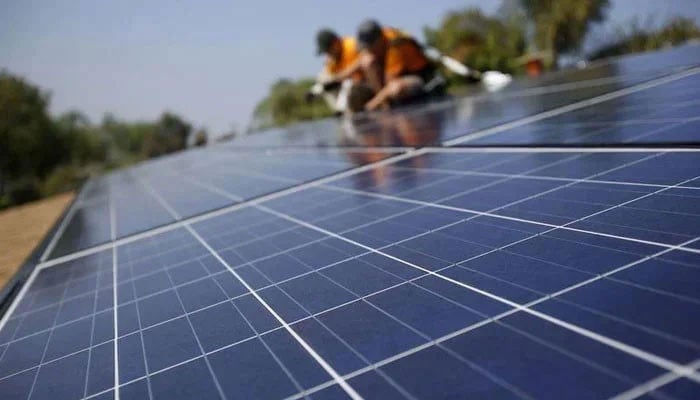
Bangladesh is increasingly turning to rooftop solar technology to meet energy needs and reduce emissions in its factory sector. However, due to limited roof space, companies are seeking alternative solutions, including purchasing renewable energy from off-site plants. Last year, Bangladesh began permitting private companies to sell electricity directly to large consumers via “merchant power plants,” which use the existing grid infrastructure for distribution.
Energy analysts note that Bangladesh’s energy regulatory commission is currently detailing the structure of its open-access system, including how consumers will be charged for grid usage. Analysts emphasize that the success of open-access power purchase agreements will largely rely on the structure of these charges, aiming to safeguard the interests of various stakeholders, including businesses, households, and agricultural producers.
Currently, mid-sized factories can use rooftop solar to offset around 10-15% of their electricity needs, while remote solar and wind installations could potentially cover 50% or more. Companies can also acquire renewable energy certificates (RECs), but Bangladesh’s REC market is underdeveloped, posing challenges to manufacturers seeking to boost their sustainability efforts.
Investment in renewable energy in Bangladesh remains below $250 million annually, which is insufficient for the country’s needs. The introduction of merchant power plants could spur investment, although anticipated grid usage charges could reach around 2 US cents per kilowatt-hour, plus additional renewable tariffs of approximately 9 US cents. Such expenses may deter corporate interest.
Government officials stress the need to strike a balance among diverse needs: consumers desire affordable, reliable electricity; developers seek stable profits; and utilities aim to accurately recover operational costs. Lessons from regional neighbors like India and Pakistan reveal both potential pitfalls and advantages for Bangladesh. For example, Pakistan’s transmission and distribution charges are hindering the shift toward off-site renewables, while India’s long-term open-access contracts have facilitated remote power purchases.
Balancing these competing interests is critical for Bangladesh’s energy regulator, which must set transparent and fair charges that do not destabilize the market. As demand for industrial electricity grows, there’s potential for open-access deals to provide a viable solution for meeting this need. Experts suggest that an initial higher charge could be reconsidered after a few years to evaluate its impact on utility revenue and market health.
Ultimately, establishing market platforms, such as energy exchanges, will be crucial for enabling renewable generators to sell power more flexibly, thus enhancing the energy landscape in Bangladesh.
The content above is a summary. For more details, see the source article.









