


Key Takeaways
- Smart city construction enhances residents’ physical activity by improving land use, transportation access, and public space quality.
- Information technology in smart cities facilitates greater access to health resources, community interaction, and personalized exercise guidance.
- The economic benefits and improved consumption experiences in smart cities lead to increased investment in fitness and sports participation.
Impact of Smart City Development on Physical Activity
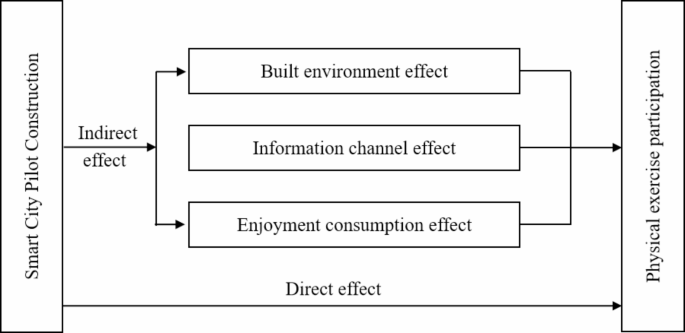
The construction of smart cities significantly influences residents’ participation in physical activities through direct and indirect means. Classical urban theories highlight aspects such as land use, transportation, and public spaces, which collectively enhance physical activity.
Effective land use is crucial; well-planned urban layouts increase the availability of parks and walking paths, encouraging outdoor exercise. Studies indicate a positive correlation between urban green space and residents’ exercise frequencies, bolstering the hypothesis that smart city initiatives can enhance physical activity levels.
Transportation and accessibility within smart cities further facilitate residents’ engagement in sports by optimizing public transport networks and providing better access to facilities. Intelligent transportation systems not only improve transit efficiency but also ease access to recreational venues, thereby promoting active lifestyles.
Moreover, the built environment—including factors like building density and mixed-use developments—contributes to residents’ activity patterns. Smart cities design inviting spaces that motivate outdoor activities, while diverse urban functions cater to the various needs of the community, enhancing overall quality of life.
High-quality public spaces and infrastructure are vital for encouraging physical activity. Investments in these areas create safer, more appealing environments for exercise, lending support to the idea that smart city construction promotes active living indirectly by improving the built environment.
Information technology also plays a pivotal role in smart city frameworks. The widespread adoption of smartphones enhances access to health-related information, fostering residents’ awareness and motivation for physical activity through online platforms. Community interaction and support emerge through social media, further encouraging fitness participation.
Additionally, the availability of online exercise courses and personalized guides lowers barriers to entry for residents seeking to engage in physical activity. Real-time feedback from smart fitness devices enriches residents’ exercise experiences, tailoring programs to individual needs and promoting consistent participation.
The economic dynamics of smart cities contribute to enhanced participation in physical activity. As disposable incomes rise, residents are more willing to invest in fitness-related products and services, such as gym memberships and advanced sports equipment. The shift towards enjoyable consumption experiences, boosted by innovations like virtual reality and intelligent fitness gear, attracts more individuals to physical exercise.
In summary, the construction of smart cities facilitates increased physical activity through improvements in infrastructure, enhanced access to information, and shifts in consumption patterns, thereby promoting healthier lifestyles among residents.
The content above is a summary. For more details, see the source article.









