


Key Takeaways
- Senate Agriculture Committee proposes a one-year delay for states to assume SNAP benefit costs, pushing the timeline to fiscal year 2029.
- Some advocacy groups are concerned this delay does not provide sufficient time for states to lower their error rates.
- Democrats express that the proposed delay may not be enough to secure their support for the farm bill.
Proposed SNAP Cost Shift Delay Under Scrutiny
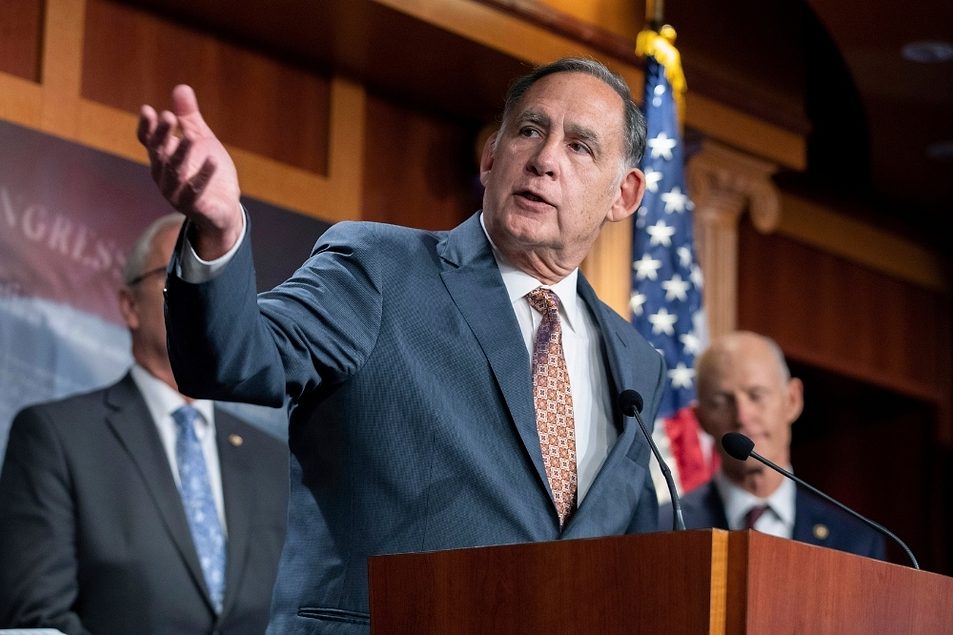
Senate Agriculture Committee Chairman John Boozman, R-Ark., has noted that Republicans are reconsidering the one-year delay for states to begin paying a portion of Supplemental Nutrition Assistance Program (SNAP) costs. The revised farm bill released last week proposes extending this deadline to fiscal year 2029.
Local leaders and some Democratic lawmakers had advocated for this delay, but several advocacy groups are pushing back against the proposal’s specifics. Dottie Rosenbaum, director of federal SNAP policy at the Center on Budget and Policy Priorities, criticized the adjustment calling it “not even a full one-year delay.” She explained that while states would begin payments later, it does not give them sufficient time to reduce the costs associated with payment error rates. Under the current plan, costs due in FY29 will be based on error rates from FY26, a timeframe that does not change.
The One Big Beautiful Bill Act outlines that the first payment year is linked to error rates from either FY25 or FY26—something not adjusted in the Senate’s draft. The Senate Agriculture Committee suggested extending the timeline for states to enhance their administrations’ error rate reduction efforts. However, Sharon Parrott, president of CBPP, emphasized on social media that this provision does not afford states extra time to mitigate their costs.
Some Senate Agriculture Democrats have expressed doubts about the adequacy of the proposed delay for garnering support to advance the farm bill. Senator Tina Smith, D-Minn., articulated her concerns, stating she aims for “at least two years of undoing the cost shift,” emphasizing that the current proposal fails to address this.
Chairman Boozman remarked that negotiating the one-year delay was challenging, highlighting the need to create a bipartisan consensus. He noted, “I’ve worked really hard to get a year agreed to” and cautioned that failing to implement even the one-year delay would impose significant financial burdens on the states.
Looking ahead, Boozman indicated that states would receive additional support for reducing error rates, including a reevaluation of their sampling methods. Although he did not provide specific details, he noted the committee’s interest in understanding and addressing the challenges states face in achieving successful error rate reductions.
As the committee prepares for a vote, Boozman expressed optimism about the legislation’s bipartisan elements, stating, “We’ve got a really good product.” The inclusion of around 100 bipartisan measures might facilitate a consensus to bring the farm bill to the Senate floor, but questions about Democratic support persist as the discussion progresses.
The content above is a summary. For more details, see the source article.









