

Key Takeaways
- Boston has upgraded its traffic management system to include real-time adjustments based on MBTA bus locations.
- This upgrade will enable improved transit signal priority city-wide, following a successful test on Brighton Avenue.
- The initiative aims to enhance public transit efficiency and reduce delays for bus passengers.
Transit Enhancement in Boston
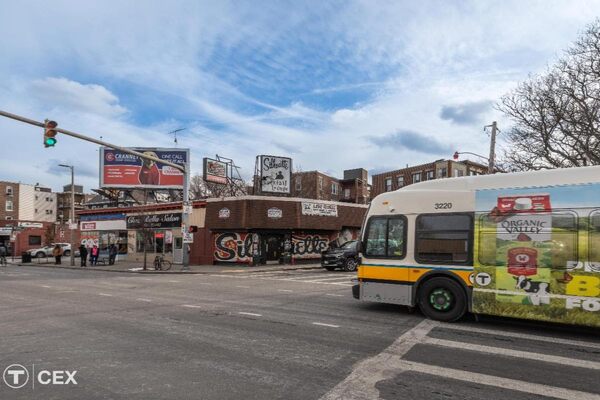
Boston is taking significant steps to improve public transportation efficiency by upgrading its traffic management system. The city has integrated real-time data from the Massachusetts Bay Transportation Authority (MBTA) bus locations into its traffic signal operations. This initiative is designed to allow traffic signals to adapt quickly to the presence and movements of buses, thereby prioritizing their passage through intersections and reducing delays.
The upgrade builds on a successful pilot program along Brighton Avenue, where the transit signal priority system was tested. It demonstrated the potential benefits of synchronizing traffic signals with bus schedules, ultimately leading to shorter travel times for commuters. Following this initial success, the city is now working with the MBTA to expand this system across Boston, aiming to implement transit signal priority city-wide.
The main objective of the upgraded traffic management system is to improve the overall efficiency of the public transit network, making it a more attractive and reliable option for residents. By allowing buses to move more freely through the city, the project is expected to enhance the experience for passengers, who often face delays due to traffic congestion.
Boston’s commitment to this initiative reflects a broader trend among urban centers prioritizing public transportation improvements as part of sustainable city planning. By investing in such technology, Boston is not only addressing current traffic challenges but also preparing for the future needs of its citizens.
The content above is a summary. For more details, see the source article.