


Key Takeaways
- California’s strict regulations ban autonomous farming technologies, impacting efficiency and labor costs.
- As the farming workforce ages, embracing technology is crucial to address labor shortages and increase productivity.
- Legislators are pushing to update outdated laws, which, if successful, could benefit farmers and consumers nationwide.
Challenges Facing California Farmers
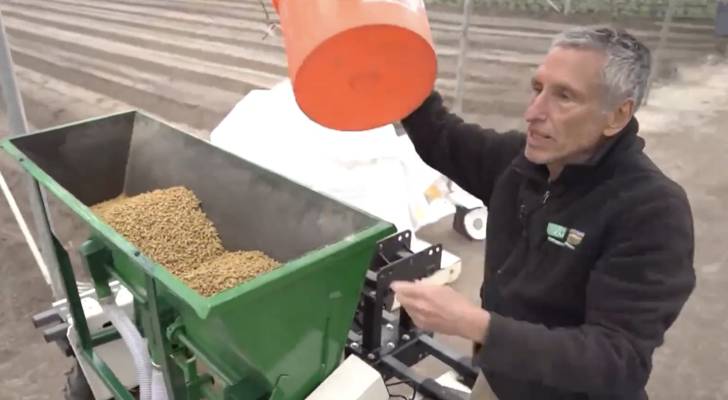
New advancements in agricultural technology hold promise for enhancing efficiency and reducing costs for farmers and consumers. However, farmers in California are hindered by a longstanding ban on autonomous equipment, including driverless tractors. Larry Jacobs, a farmer with 40 years of experience, expressed frustration over these restrictions, emphasizing that the technology could alleviate labor shortages and potentially lower food prices for consumers.
California’s agricultural industry faces significant labor challenges, with a decline in the number of farmers—from 2 million in 2017 to 1.9 million today. The U.S. Department of Agriculture indicates that the average age of farmers is rising, underscoring an urgent need for younger professionals to enter the field. Without new technologies, which Jacobs claims are essential to manage farming tasks efficiently, the industry’s labor issues are likely to worsen.
The ban on self-propelled farming equipment has roots in safety regulations established in the 1970s. These laws, designed to protect workers, require that all self-equipped machinery have an operator on board. However, critics argue that modern technology could enhance worker safety rather than compromise it. The California Occupational Safety and Health Standards Board is yet to respond to a petition filed in 2022 seeking to amend these rules.
With California producing 40% of the nation’s vegetables and a significant share of fruits and nuts, the potential for wasted crops due to labor shortfalls is alarming. The Bureau of Labor Statistics projects a decline in agricultural employment of 2% between 2023 and 2033, leading to an expected shortfall of around 88,000 farm workers annually.
Furthermore, a report by the U.S. Government Accountability Office highlights the many benefits of agricultural technology, including environmental advantages, reduced reliance on fertilizers, and increased profits. Without the adoption of these innovations, California may experience higher food costs and diminished crop yields.
Assemblyman Juan Alanis is advocating for legislative action to lift the ban on autonomous farming equipment, warning that stagnation could cause California to fall behind other states adopting such technologies. As highlighted by industry experts, integrating these advancements is essential for attracting a new generation to farming and ensuring that California remains a leader in agricultural production.
Failure to adapt may result in food shortages and increased consumer prices—not only within California but across the nation as well.
The content above is a summary. For more details, see the source article.









