

Key Takeaways
- Advancements in low-cost air quality sensors have enabled communities to monitor pollution effectively.
- Air quality monitoring reveals disparities, with lower-income neighborhoods often lacking adequate data collection.
- Integrating sensor data with traditional reports enhances public awareness of air pollution specifics during events like wildfires.
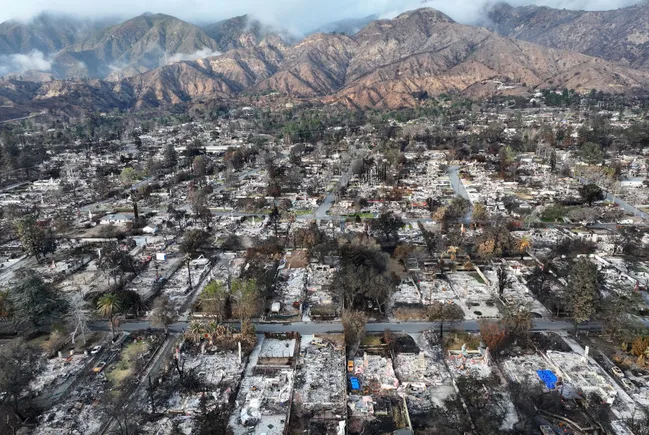
In January, wildfires near Los Angeles prompted varied responses from residents, including evacuations and community-based air quality monitoring. Traditionally, air quality assessments have been conducted by entities like the Environmental Protection Agency (EPA), but only one-third of U.S. counties possess adequate monitoring instruments due to their high cost. However, recent technological advancements have made affordable air quality sensors more accessible to communities, facilitating vital public health data collection.
Charlie Catlett, a senior computer scientist at Argonne National Laboratory, noted that communities can now establish air quality networks for a fraction of their previous costs. Many cities, from New Haven to Sandy City, are now deploying these sensors. In Washington, D.C., local authorities lend sensors to residents to enhance monitoring efforts.
The South Coast Air Quality Monitoring District has evaluated numerous low-cost sensors through its Air Quality Sensor Performance Evaluation Center, with findings indicating a varied performance across different devices. However, sensors designed to detect PM2.5, harmful fine particulate matter primarily released during wildfires, have shown promising results.
A prominent model, the PurpleAir sensor, updates regional air quality data every two minutes, providing critical insights for residents. This localized data collection has improved significantly, thanks to a surge in sensor deployment, allowing for a more comprehensive understanding of air quality dynamics at the community level.
Nevertheless, disparities in sensor distribution highlight a challenge for equitable air quality monitoring. Some neighborhoods may lack sufficient sensors while others are heavily equipped. Addressing this issue, researchers suggest that cities should strategically place sensors in areas experiencing data shortages, particularly in lower-income communities that are disproportionately exposed to pollution.
Studies show a history of fewer air quality sensors in areas with higher proportions of low-income and minority residents, pointing to systemic inequities. Regions with significant pollution and socio-economic challenges include parts of southern Los Angeles County and areas downwind from it.
While low-cost sensors contribute valuable data, experts emphasize that they do not provide a complete picture of air pollution composition. Jason Low of South Coast AQMD indicates the need for clear communication regarding the limitations of sensor data. The Air Quality Index (AQI), although helpful, fails to consider all toxic elements, such as lead, which can be present after urban wildfires.
Research-grade monitors in the ASCENT project revealed worrying levels of toxins, including lead, in areas affected by recent wildfires, highlighting the urgent need for comprehensive monitoring. Preliminary findings showed that particulate pollution dynamics are influenced by both natural and urban contributions, necessitating detailed public alerts regarding air quality conditions.
To overcome public disengagement, experts advocate for improved accessibility to air quality data, suggesting digital displays in public spaces for real-time updates on pollution levels. Although some weather applications include AQI data, greater public visibility and awareness of these resources remain essential for community health.
The South Coast AQMD’s continued enhancement of monitoring strategies includes mobile units to identify pollution hotspots, ensuring residents receive timely and relevant information regarding air quality threats. The integration of local sensor data into broader air quality assessments aims to empower communities with the information necessary to navigate air quality challenges effectively.
The content above is a summary. For more details, see the source article.