


Key Takeaways
- Stellantis’ Brampton plant faces uncertainty after tariffs were imposed on Canadian goods, affecting future Jeep production.
- A memorandum of understanding with Roshel for a defense-manufacturing center signals a shift away from retooling the plant for Jeep production.
- Stellantis is focusing on a new strategic plan, FaSTLAne 2030, prioritizing profitability and investing in brands like Ram and Jeep.
Uncertain Future for the Brampton Plant
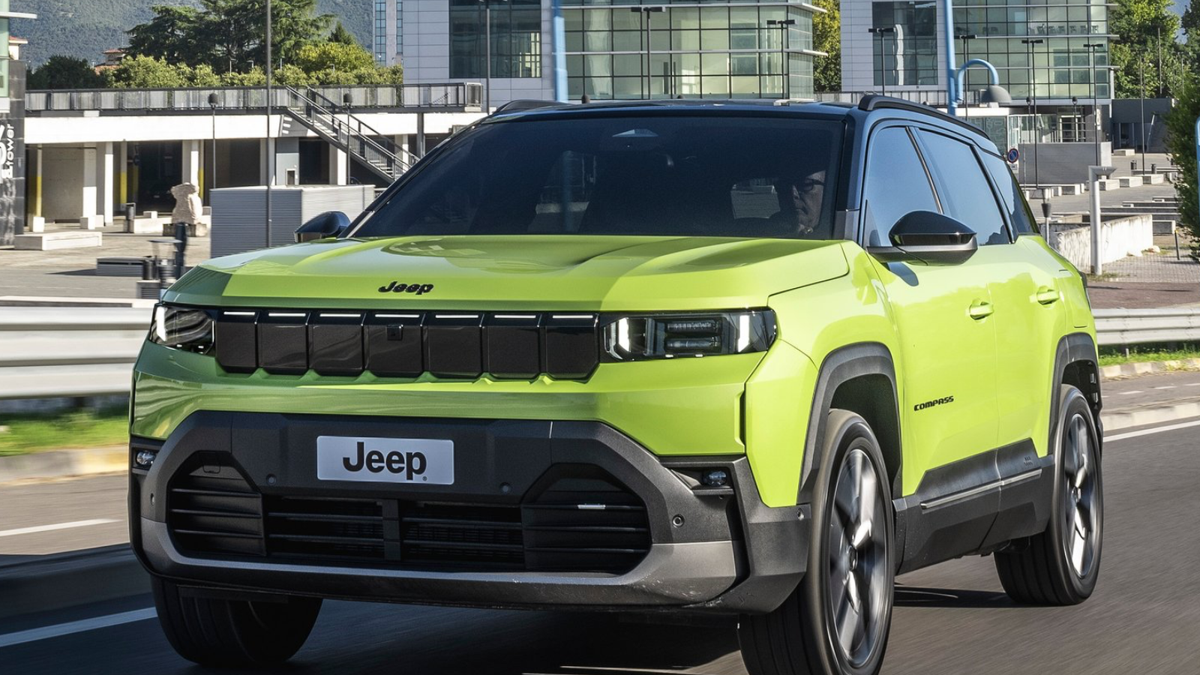
The Brampton plant in Ontario is grappling with uncertainties since the Trump administration’s tariffs on Canadian goods. Initially slated for retooling to produce the next-generation Jeep Compass in 2023, the factory’s plans have been complicated, leading to layoffs among workers.
Recently, Stellantis may have found a potential path forward. Reports indicate that the automaker has signed a memorandum of understanding (MOU) with armored-vehicle manufacturer Roshel, which plans to set up a defense-manufacturing center at the Brampton site. However, this pivot diminishes the likelihood of the plant returning to Jeep production.
Building Jeeps in Canada would have expanded Stellantis’ manufacturing footprint in North America, enabling it to cater better to both Canadian and U.S. markets. A strong local presence could also have mitigated disruptions from potential factory or labor issues. Instead, production of the much-anticipated next-gen Compass will now occur at the Belvidere Assembly Plant in Illinois, where it will be manufactured alongside the Cherokee model.
Under the MOU with Roshel, there is a commitment to offer laid-off Unifor workers priority for jobs at the new facility as early as 2026. This offers a glimmer of hope for returning local employment, albeit in a different sector.
Previously, Stellantis had considered partnerships with other companies, including a potential collaboration with Chinese partner Leapmotor to assemble vehicles from knock-down kits at the Brampton plant. However, Unifor opposed this idea, arguing that such assembly would mainly occur in China, translating to fewer jobs in Canada. There was also speculation regarding BYD, another Chinese automaker, looking at the plant as a site for electric bus production.
While the MOU with Roshel presents new opportunities, it’s important to note that it is still preliminary and the potential sale has yet to be finalized. As the situation evolves, Stellantis appears to be shifting its focus toward broader strategic initiatives.
The company has launched a five-year program called FaSTLAne 2030, with a substantial budget of €60 billion (approximately $69 billion USD), aimed at enhancing profitability. Key brands such as Jeep and Ram are at the forefront of this investment strategy. The Wrangler, currently Stellantis’ leading brand in North America, is expected to see its sales target adjusted in light of new priorities.
As Stellantis navigates these challenges, the future of the Brampton plant remains uncertain, with implications for employment and production capability in the region.
The content above is a summary. For more details, see the source article.









