


Key Takeaways
- Ukraine’s drone industry has launched effective attacks on Russian oil refineries, disrupting over 1 million barrels per day of Russia’s refining capacity.
- The consequences of Ukraine’s drone strikes are being felt domestically in Russia, leading to gasoline shortages and logistical challenges for the military.
- Svitlana Romanko advocates for Ukraine’s transition to renewable energy, emphasizing its advantages over fossil fuels in military contexts and post-war reconstruction.
Assessing the Impact of Drones on Warfare and Energy
Recent events highlight a transformative shift in warfare and energy dynamics amid Russia’s invasion of Ukraine. The Orsknefteorgsintez refinery in Russia—a crucial facility for military operations—has become a target, with Ukraine effectively employing drones to strike at vital oil infrastructure. This tactic has allowed Ukraine to disrupt over 1 million barrels per day of Russia’s oil refining capacity, significantly impacting both military logistics and domestic fuel supplies within Russia.
Reports reveal that up to 16 Russian refineries have been hit since August, with serious implications for diesel exports and fueling vehicles. In Crimea, shortages have forced drivers to contend with rising prices and reduced availability. Ukrainian Commander-in-Chief Oleksandr Syrskyi noted that these strikes are creating a fuel crisis, directly affecting military logistics for Russia.
Amidst the ongoing conflict, Ukraine’s drone industry has emerged as a critical player. While traditional military operations are hindered by robust air defenses, small drones have proven effective. The nature of modern warfare indicates that centralized energy systems, such as large refineries, are increasingly vulnerable to such strikes, prompting reconsiderations of energy security strategies.
In this light, Svitlana Romanko has emerged as a key figure, advocating for a shift towards renewable energy systems. Romanko emphasizes that small-scale solar and wind installations are less susceptible to disruption and can be rapidly adjusted or repaired. As Ukraine continues to bolster its energy independence, urban areas are retrofitting schools, hospitals, and residential complexes with solar technology, enhancing their resilience against attacks.
Local governments are stepping in to fill gaps in the government’s response to renewable energy initiatives, with a focus on promoting energy security. Romanko underscores the need for Ukraine to transition to a green energy power after the war, highlighting the potential for job creation in sectors like renewable energy and infrastructure.
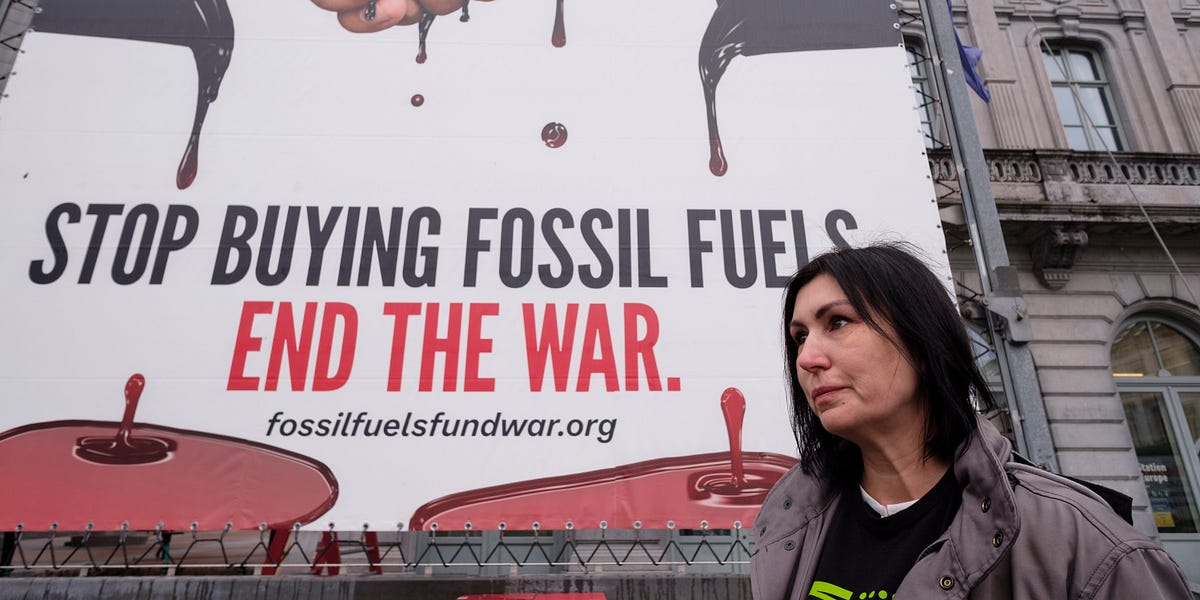
As organizations such as her Razom We Stand nonprofit push for reduced reliance on fossil fuels, Romanko reflects the strong moral imperative many Ukrainians feel regarding energy sources. The war has created an opportunity to rebuild with a focus on sustainability and independence from fossil fuels, reducing the risk of future conflicts sparked by energy needs.
Ultimately, as Ukraine expands its drone technology, those skills can also be repurposed for renewable energy efforts, envisioning a future where energy independence and environmental responsibility go hand in hand. This approach not only addresses immediate wartime challenges but also posits a path towards economic stability and ecological sustainability in a post-war landscape.
The content above is a summary. For more details, see the source article.









