


Key Takeaways
- Mainstream investors are pushing for alternatives to traditional chemical crop inputs due to rising costs and health concerns.
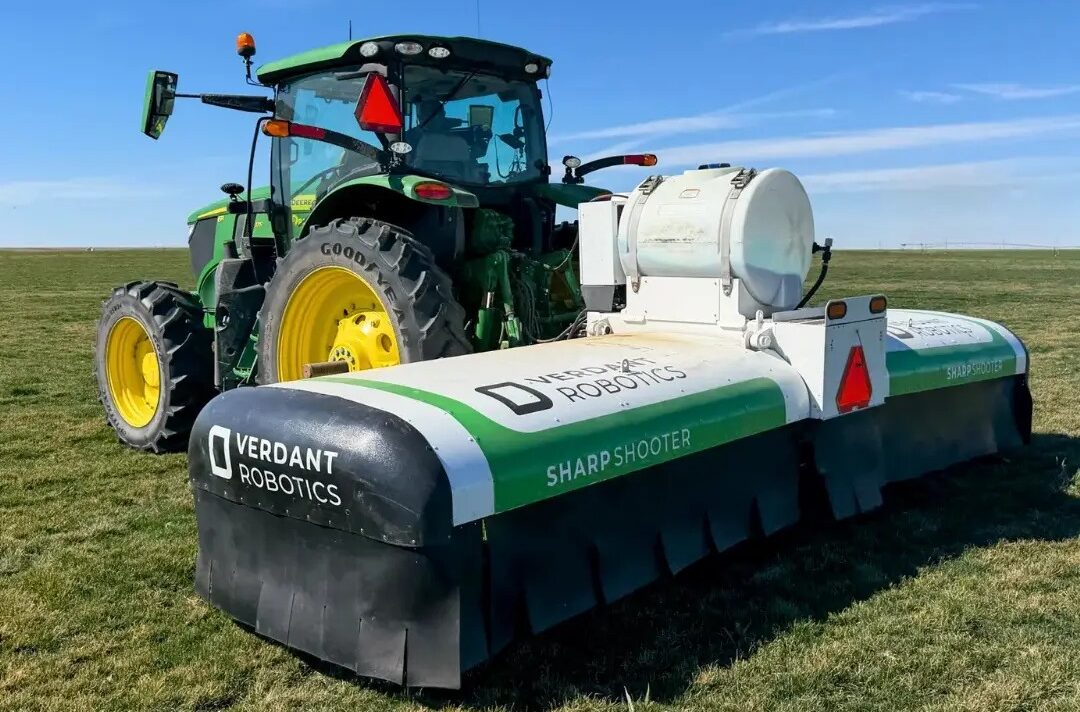
- Innovative technologies like Verdant Robotics’ precision application system are reshaping how farmers manage pesticides and fertilizers.
- AI and genomics are transforming seed breeding processes to create crops that require fewer traditional inputs.
Cracks in Traditional Agriculture
A significant shift is occurring in the agriculture industry as investors and innovators increasingly highlight the challenges and drawbacks of conventional chemical crop inputs. Gary Tan, CEO of Y Combinator, has emphasized the need for new solutions in agriculture, stating that traditional approaches are no longer sustainable. Rising costs and declining profit margins are prompting farmers to use more chemicals, which only exacerbates the issue.
Concerns about toxicity and health impacts are mounting, particularly regarding chemicals like picloram, which have been linked to increasing cancer rates among younger populations. David Friedberg, an AgTech entrepreneur, advocates for moving away from harmful substances in food supply chains.
Advancements in Agricultural Technology
In response to these challenges, technological advancements are rapidly emerging. Companies like Verdant Robotics are pioneering new methods of applying agricultural inputs more effectively and sustainably. Their Aim & Apply platform employs AI to accurately deliver herbicides and fertilizers to crops, significantly reducing excess chemicals while improving efficacy.
Verdant’s flagship product, SharpShooter, meticulously targets plants using an AI-guided system, allowing for applications that conventional methods cannot achieve. This technology not only facilitates more environmentally friendly practices but also opens opportunities for organic farming by lowering input costs.
Furthermore, Verdant’s expansion into diverse markets illustrates the adaptability of precision agriculture. Its technology is now applied in various sectors, including grass seed production and golf course maintenance. By leveraging precision throughout different farming tasks, Verdant helps users transition to more sustainable practices without sacrificing profitability.
AI and Innovation in Seed Breeding
On the East Coast, biotech firm Inari is revolutionizing crop breeding by utilizing AI and genomics, allowing for a more controlled design process instead of traditional trial-and-error methods. Their SEEDesign platform integrates advanced data science and machine learning to enhance crop resilience against pests and lessen dependency on fertilizers.
Through continuous data analysis, Inari’s approach empowers scientists to choose specific genetic edits that improve crop yields effectively. The application of AI promises to expedite the development of enhanced crops, focusing on staple plants like corn and soybean.
Emerging Alternatives in Agricultural Solutions
Numerous startups are exploring innovative solutions to the traditional challenges in crop protection. BindBridge is developing molecular glues as an herbicide alternative, aiming for sustainable applications. Enko utilizes AI to streamline the discovery of new crop protection products, while Micropep focuses on micropeptides as effective intermediaries between traditional chemicals and organic solutions.
Provivi employs pheromones to disrupt pest mating, significantly reducing crop damage. Additionally, Saga Robotics is creating autonomous robots to combat fungal threats in vineyards, and SenseUP is utilizing RNA interference for pest control, ensuring minimal impact on the ecosystem.
While the agricultural sector faces substantial challenges, the ongoing innovation highlights a shift towards sustainability and precision. With advancements in technology and practices, the future of agriculture may rely less on traditional chemical inputs and more on science-driven solutions that promise better environmental outcomes and healthier crops.
The content above is a summary. For more details, see the source article.









