


Key Takeaways
- China, Iran, and Russia held joint naval drills in the Gulf of Oman, emphasizing military collaboration amid rising regional tensions.
- The drills involved significant naval vessels and raised concerns over GPS jamming, affecting navigation in the strategic Strait of Hormuz.
- Yemen’s Houthi rebels threatened renewed attacks on ships in the region, coinciding with the ongoing conflict in Gaza.
Joint Naval Exercises Show Military Unity
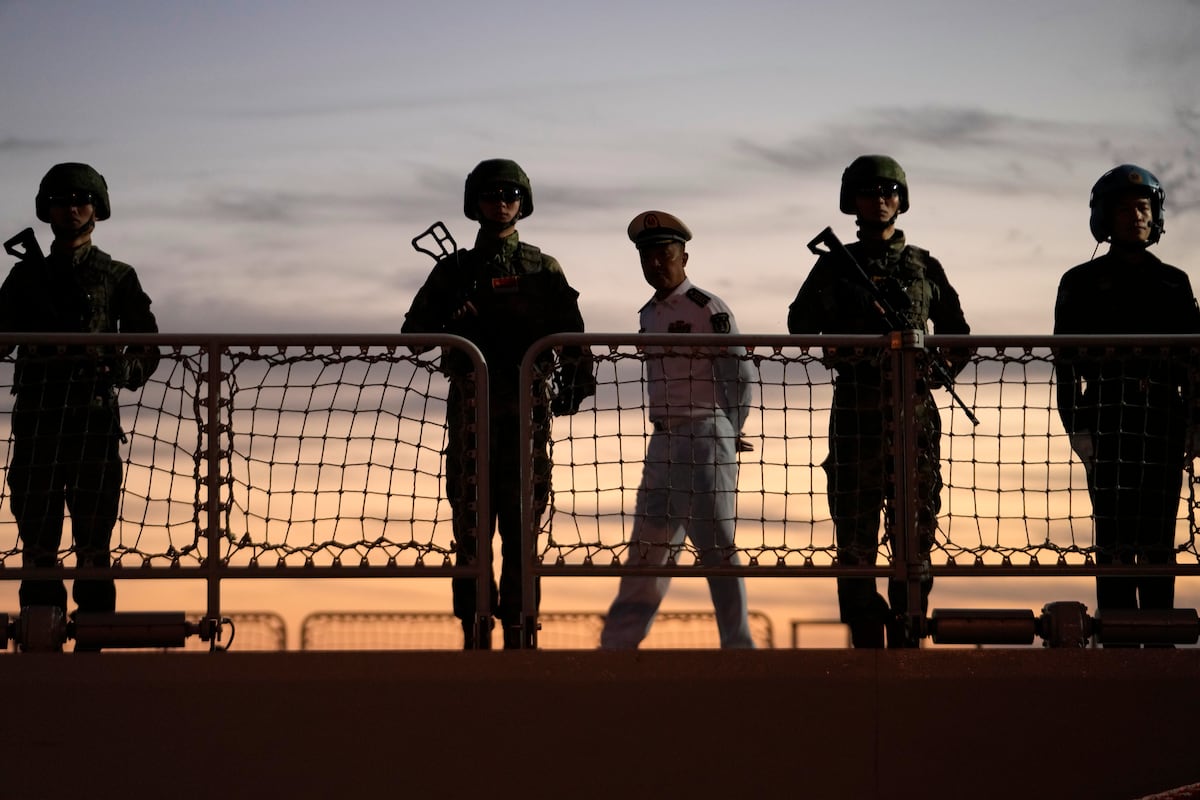
China, Iran, and Russia executed joint naval drills in the Gulf of Oman, known as the Maritime Security Belt 2025, reflecting their military cooperation in a region characterized by instability and heightened security concerns. The exercises were conducted near the Strait of Hormuz, a critical waterway for global oil trade, and come at a time when tensions are rising over Iran’s expanding nuclear program.
This marks the fifth consecutive year that these three nations have conducted naval drills together. On the eve of the exercises, the UK’s maritime operations center reported GPS interference in the Strait of Hormuz, which likely stemmed from military activities in the area. Such jamming is often associated with efforts to impede targeting systems for drones and missiles during tense periods.
Russia’s participation included corvettes and a tanker, while China deployed a guided-missile destroyer along with a supply ship. Despite their military presence, both nations generally refrain from extensive patrols in the Middle East, leaving the region’s security to the United States and its allies. Observers from several countries, including Iraq and Qatar, monitored the drills, signaling broader geopolitical interests in the region.
Iran’s Assertiveness Amid Regional Conflict
Iran showcased the drills prominently on its state-run television, emphasizing live-fire exercises and operational readiness. This comes against a backdrop of heightened tensions following an Israeli attack targeting Iranian military sites. The drills serve as a tool for the Iranian government to rally public support in the face of external threats, particularly from Israel.
Moreover, Iran’s nuclear advancements, particularly in uranium enrichment, have escalated fears among global powers regarding its intentions. Although Iran insists its nuclear program is for peaceful purposes, the increasing enrichment levels draw warnings from the U.S. and Israel about potential military action to prevent the development of nuclear weapons. Notably, former President Donald Trump recently extended an offer for renewed nuclear negotiations with Iran.
Houthi Threats Add to Maritime Tensions
Amid the backdrop of the naval drills, Yemen’s Houthi rebels have renewed threats to disrupt shipping activities in the Red Sea and surrounding waterways. Their leader warned of imminent attacks against vessels linked to Israel, particularly if aid to Gaza does not resume. This threat comes during a fragile ceasefire in the ongoing conflict with Hamas in Gaza, raising alarm among maritime operators.
In previous engagements, the Houthis have successfully targeted over 100 merchant vessels using drones and missiles, leading to casualties and heightened security for shipping routes. The combination of military drills and regional threats illustrates the complex geopolitical landscape in the Middle East, where the interplay of local conflicts and international military displays continues to shape the strategic environment.
The content above is a summary. For more details, see the source article.









