


Key Takeaways
- China’s carbon emissions rose by 2% in the first quarter of 2026, despite a decline recorded in 2025.
- Inflexible grid management is causing significant waste of clean power, with curtailment rates for solar and wind energy reaching 9.2% and 8.5%, respectively.
- China’s reliance on long-term coal and gas contracts hinders the integration of renewable energy into the grid, limiting the transition to cleaner power sources.
Analysts Highlight Energy Transition Issues in China
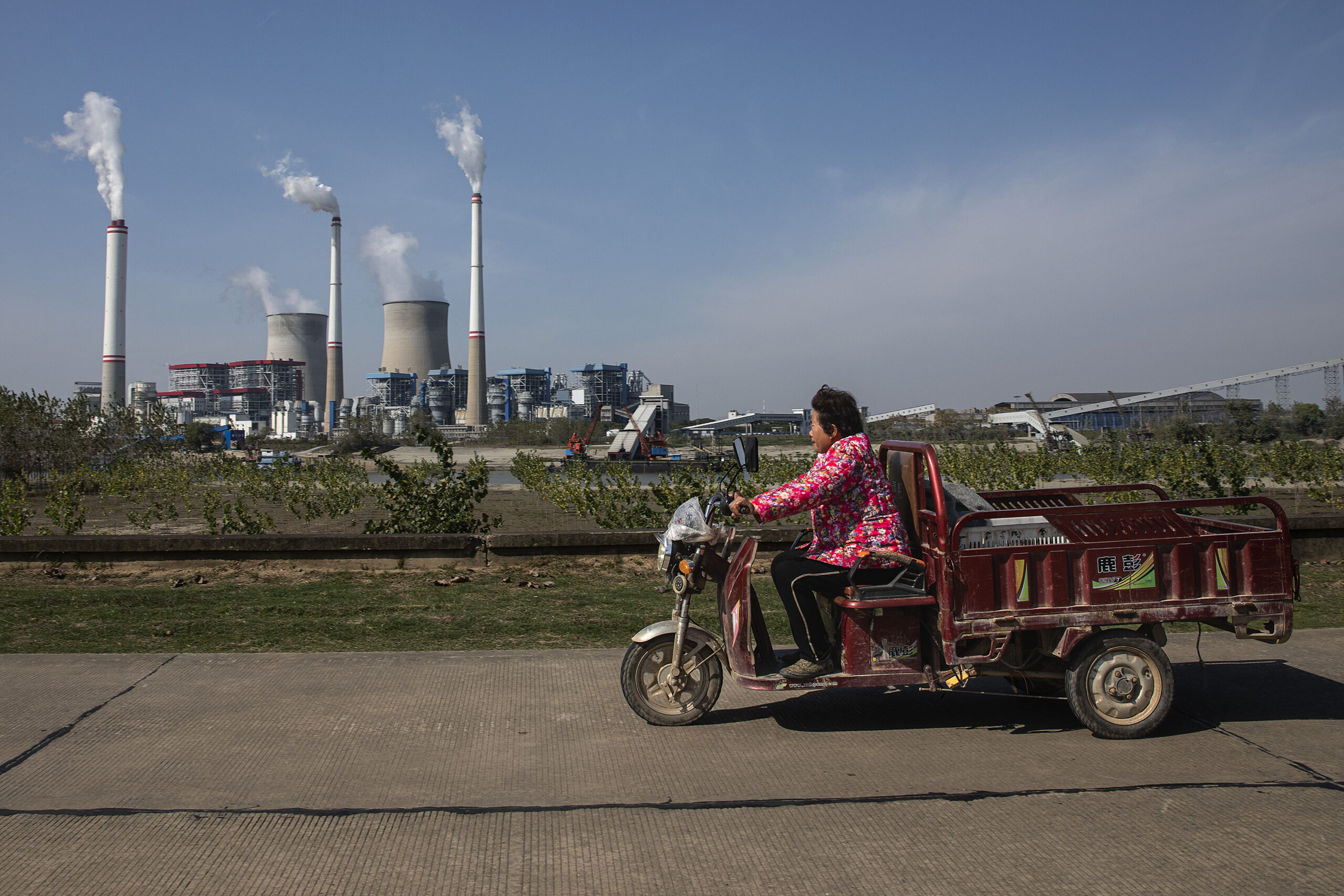
China’s carbon emissions have rebounded in early 2026, increasing by 2% from the previous year, according to new analysis by the Centre for Research on Energy and Clean Air (CREA) for Carbon Brief. This rise comes after the country experienced its first full-year decline in carbon dioxide (CO2) emissions in 2025. During the first quarter of 2026, China burned more coal and gas to generate electricity, even as the country expanded its renewable energy capacity with record wind and solar installations.
Lauri Myllyvirta, CREA’s lead analyst, pointed out that the inflexible operation of coal and gas power plants contributes to significant amounts of clean energy going unused. Long-term contracts lock in coal and gas plants, discouraging them from reducing output even when cheaper renewable energy sources are available. This inflexibility, compounded by annual contracts governing electricity trading between provinces, prevents the real-time distribution of surplus renewable energy.
Curtailments—the intentional reduction of renewable energy generation—have surged, reaching rates of 9.2% for solar and 8.5% for wind. Myllyvirta noted that actual curtailment rates could be even higher than reported, adding that without improved tracking, political pressure to address the problem will remain inadequate. The rise in curtailment has resulted in a significant loss of potential electricity generation; CREA estimated that, had curtailments not risen, wind and solar could have produced an additional 170 terawatt hours (TWh) of electricity in the quarter.
China’s challenges are not unique; other countries, including the UK, Australia, India, Chile, and Brazil, have also seen increased curtailments due to bottlenecks in their energy transmission systems. The International Energy Agency has emphasized the need for a 50% increase in investments to modernize national grids by 2030 to accommodate fresh clean energy capacities. Failure to update power networks may lead to significant revenue losses for clean energy providers, jeopardizing investments in renewable systems.
In Brazil, one of South America’s largest clean energy producers recently announced a halt to a $1 billion renewable investment plan due to its grid operator rejecting up to 25% of power from existing projects. As countries navigate the complexities of transitioning to greener energy, effective grid management will be crucial in maximizing the potential of renewable resources while curbing emissions.
The content above is a summary. For more details, see the source article.









