
Key Takeaways
- The global cosmetic manufacturing market is projected to reach $878.88 billion by 2034, growing at a CAGR of 6.4%.
- Contract manufacturing is becoming crucial, offering brands specialized expertise and advanced technology to enhance production efficiency.
- Consumer demand is shifting towards personalized and sustainable beauty products, prompting brands to adapt quickly to market trends.
Market Growth and Regional Insights
According to a report by Fact.MR, the global cosmetic manufacturing market is on track for significant expansion, with revenue expected to hit $878.88 billion by 2034, reflecting a compound annual growth rate (CAGR) of 6.4%. North America leads the market primarily due to its appetite for high-end and natural beauty products. Meanwhile, East Asia is projected to experience the fastest growth at a CAGR of 6.9%, driven by strong performances in China and South Korea. Skin care products remain the dominant segment, as consumers increasingly prioritize wellness and skin health, supported by technological advancements and personalized treatments.
Transforming Manufacturing Partnerships
Contract manufacturing has evolved from a basic outsourcing option to a strategic partnership within the beauty industry. These manufacturers have become essential collaborators, contributing specialized expertise and production capabilities that help brands navigate market demands. Alexander Kwapis, Vice President at FusionPKG, emphasizes the importance of automation and robotics in Chinese manufacturing, allowing for enhanced efficiency and scalability. In contrast, he notes that U.S. manufacturers struggle due to outdated supply chains and insufficient investment in technology.
Technological Innovations in Production
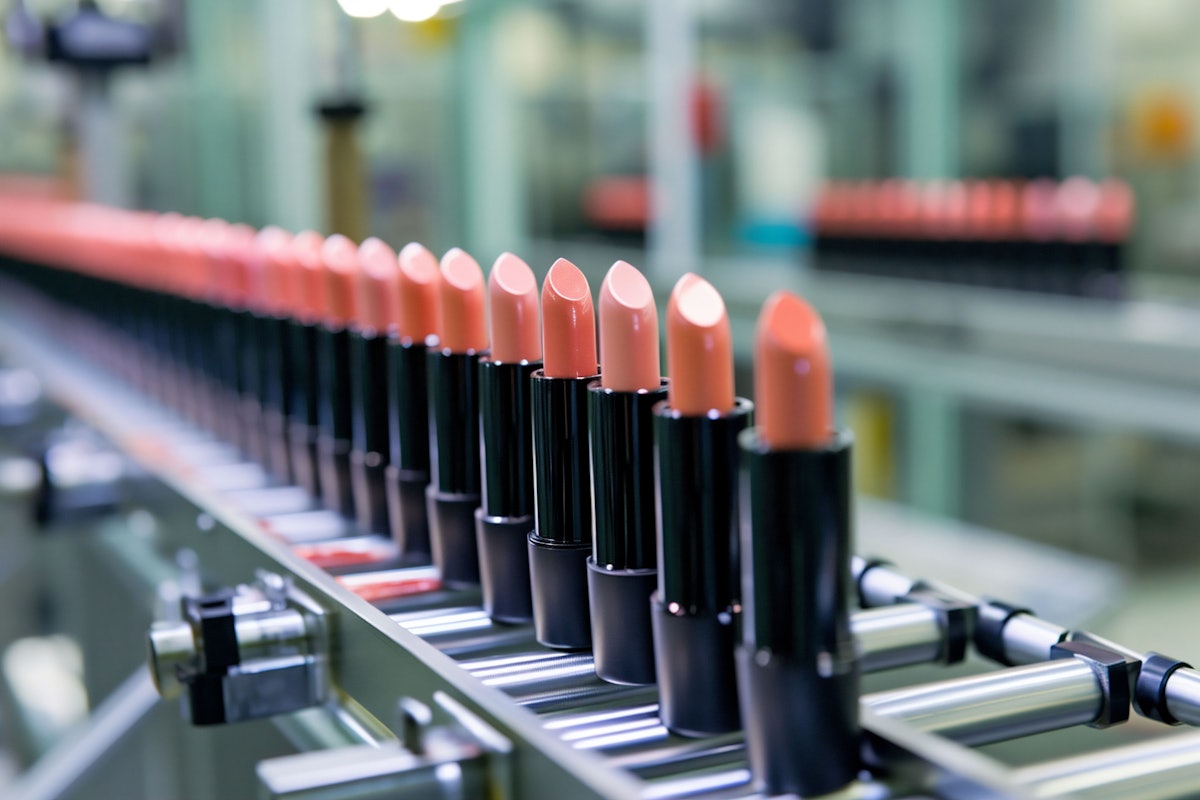
The rapid evolution of the beauty industry is fueled by an uptick in innovation and technology adoption within contract manufacturing. Brands are increasingly relying on manufacturers to scale operations and maintain rigorous quality standards. At Cosmoprof Miami 2025, ProSys Fill introduced advanced filling and sealing technologies designed to enhance productivity. The RT60 tube filling and sealing system, for instance, can fill up to 70 tubes per minute, while the LB30 lip balm filler streamlines the production of lip balm sticks, ensuring consistent quality and efficiency.
Strategic Business Developments
The beauty manufacturing sector is set for continuous growth through 2025, driven by innovation and changing consumer preferences across global markets. Noteworthy developments include the merger of Cosmoproject and Ancorotti Cosmetics to create a comprehensive offering for research, development, manufacturing, and packaging. This combination is expected to yield over €220 million in revenue by 2025, reinforcing their positions within the market.
In another significant move, Amelia Knight Cosmetics will invest $5 million in a new production facility in China. Slated to open in 2025, this facility will consolidate operations and enhance the brand’s production capabilities, allowing them to meet rising demand.
Pioneering Sustainability Initiatives
In a collaboration aimed at enhancing sustainability within the luxury goods sector, Dow, Brivaplast, and TecnoGi are working to repurpose high-quality materials traditionally wasted during production. They are transforming these materials into premium products, demonstrating a collective commitment to environmental responsibility while maintaining luxury standards.
The Consumer Demand for Customization
Recent trends indicate that consumers are increasingly seeking personalized products that cater to their unique needs. This shift has prompted contract manufacturers to design adaptable systems for small-batch and customized production. As brands explore topics like aging, sexual health, and skin conditions, the focus on tailored solutions continues to grow, signifying a major shift away from mass-market offerings.
Future Outlook for Beauty Manufacturing
The future of contract manufacturing in the beauty industry looks promising, with an emphasis on innovation, sustainability, and personalization. By fostering strategic partnerships, brands can innovate and develop solutions that resonate with consumers, ensuring their competitive edge in a dynamic marketplace.
The content above is a summary. For more details, see the source article.