


Key Takeaways
- Congress is considering revoking an EPA waiver that permits California to mandate zero-emission vehicles by 2035.
- The decision could hinder emission reduction efforts and worsen public health outcomes in polluted regions.
- California maintains that historical precedents safeguard its authority in setting vehicle emissions standards despite congressional challenges.
Impact of Potential EPA Waiver Revocation
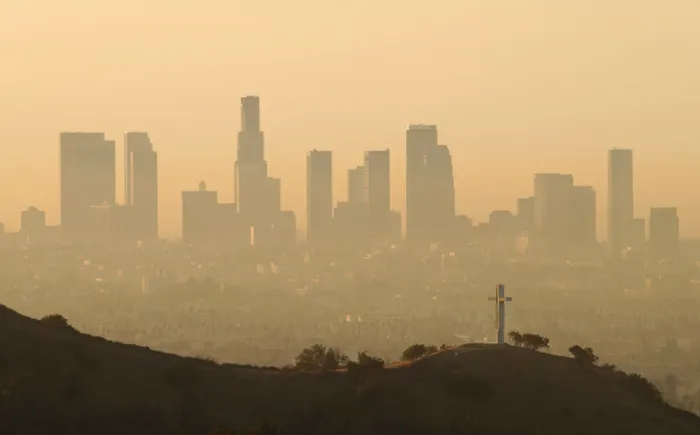
Environmental and public health experts caution that Congress’s potential repeal of an Environmental Protection Agency (EPA) waiver could significantly impede efforts to improve air quality. This waiver currently empowers California to require all new sales of light-duty trucks and passenger cars to be zero-emission vehicles by the 2035 model year. A Senate vote on this issue could occur as soon as next week, with warnings that reversing this waiver would have dire consequences for air quality, particularly in regions heavily affected by vehicle emissions.
Katherine García, director of the Sierra Club’s Clean Transportation for All Campaign, emphasizes the risks to public health, stating that revoking the waiver could result in manufacturers being less inclined to produce cleaner vehicles. This could exacerbate asthma and other health issues among residents in areas most affected by pollution from cars and trucks.
The U.S. House of Representatives recently passed a resolution disapproving the waiver using the Congressional Review Act (CRA), which allows Congress to overturn regulations enacted in the last months of a presidential administration. This move disregarded a March 6 determination from the Government Accountability Office indicating that the Clean Air Act waiver was not subject to the CRA. A group of 20 Democratic senators has expressed their concerns in a letter to Senate leaders about the long-term implications of ignoring the Senate parliamentarian’s guidance on the matter.
California’s Legacy in Air Quality Standards
The debate centers on California’s historical authority to establish its own vehicle emissions regulations, dating back to the 1950s when smog issues were first recognized. The state received an exemption from the 1967 Air Quality Act, allowing it to set stricter standards than those proposed at the national level. In 1990, Congress expanded this authority, permitting other states to adopt California’s regulations, which now includes 17 states and the District of Columbia.
While significant progress has been made in improving air quality, experts like Ed Avol from the University of Southern California highlight the nuanced impact of air pollution on health, indicating that pollutants can affect cognitive functions and are linked to conditions like Alzheimer’s disease and dementia. Transportation remains a leading source of pollution in California, contributing nearly 50% of the state’s greenhouse gas emissions.
Challenges from Lobbying Efforts
Recent regulatory attempts have drawn opposition from both Congress and the auto industry, particularly targeting the California Air Resources Board’s Advanced Clean Cars II (ACC II) regulations adopted in 2022. Publicly, some automakers, including General Motors, expressed support for these measures; however, the Alliance for Automotive Innovation later suggested that compliance with sales targets set by ACC II would be challenging. Significant lobbying efforts from the oil and auto industries further complicate the landscape, with claims that they are collectively advocating for the waiver’s revocation.
Despite congressional moves, California’s environmental agencies remain steadfast. No Clean Air Act waiver has been revoked in history, and CARB officials assert their commitment to maintaining air quality standards notwithstanding legislative challenges.
Health Concerns and Air Quality Management
According to the American Lung Association, over 156 million Americans reside in areas with unhealthy ozone or particulate pollution levels. Notably, California is home to five of the ten most polluted counties in the nation. State and local governments are required to implement plans to meet EPA air quality standards and develop strategies to reduce emissions. Experts express concern that eliminating the waiver could hinder these states’ abilities to meet their clean air goals.
Michael Kleeman, a civil engineering professor at UC Davis, points out that historical innovations in pollution control have led to substantial improvements in air quality. However, he warns that climate change-driven increases in ozone levels necessitate further reductions, specifically targeting nitrogen oxide emissions, which cannot be achieved without a significant transition to electric vehicles.
The debate surrounding the EPA waiver is not just a legislative issue but a pivotal concern for public health, environmental sustainability, and the sets of regulations that have shaped California’s path toward cleaner air.
The content above is a summary. For more details, see the source article.









