


Key Takeaways
- Low-cost, climate-smart building strategies can significantly enhance housing resilience in Latin America’s warming cities.
- Passive architectural designs can reduce reliance on air conditioning while improving indoor comfort and lowering energy costs.
- Community engagement and education are vital for the successful implementation of climate-resilient housing solutions.
Innovative Solutions for Climate-Resilient Housing
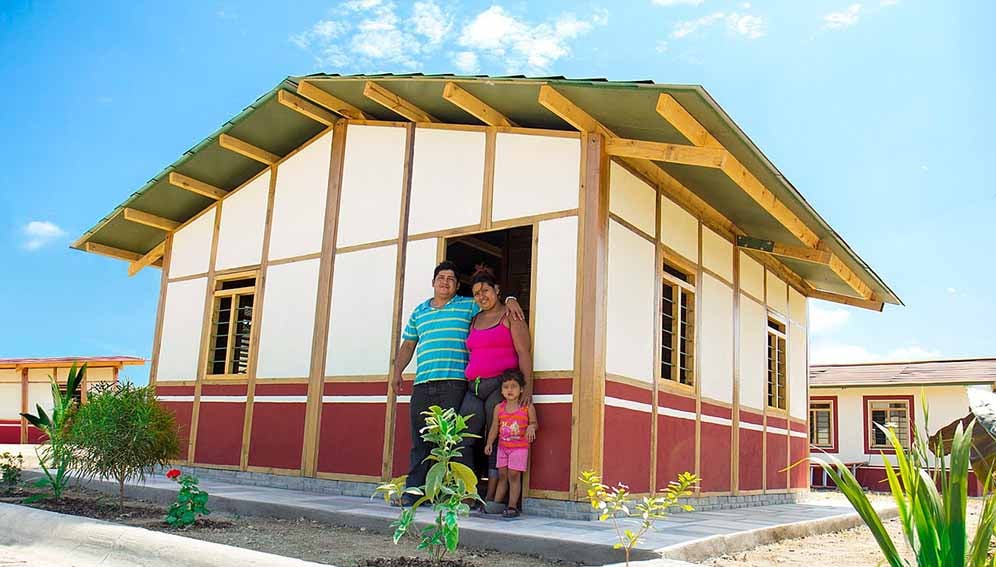
Research published in the November issue of Energy and Buildings highlights affordable design strategies for improving housing resilience in Latin America’s rapidly warming cities. The study emphasizes that simple choices, such as using light-colored paint, insulating roofs, optimizing window size, and orienting buildings strategically toward the sun, can provide significant protection against climate change.
Researchers ran computer simulations to examine building performance under current and predicted climate scenarios in major cities like Rio de Janeiro, São Paulo, Santiago, Bogotá, and Lima. The study found that conventional building materials such as traditional masonry, fiber cement, and clay tiles combined with insulating materials could foster comfortable indoor environments while minimizing energy use and carbon emissions.
Lead author Alexandre Santana Cruz emphasized that passive architectural designs leverage natural elements such as sunlight and ventilation to maintain comfort without heavy reliance on air conditioning. These strategies are deemed particularly beneficial for low- and middle-income countries, where over a billion people live in substandard housing.
Despite the advantages, sustainable housing solutions are often neglected in large-scale development plans. Santana Cruz pointed out that quality architectural designs are frequently viewed as costly and subjective, posing barriers to their incorporation into social housing initiatives. He noted that many federal housing projects lack essential passive design features, leaving residents vulnerable during extreme weather events.
Architect Karen Carrer Ruman de Bortoli supports the findings, arguing that low-tech solutions can mitigate discomfort and limit the demand for air conditioning. Proper orientation, heat-resistant walls, ventilated roofs, and green space integration can significantly lower operating costs and improve health outcomes.
To tackle these challenges, researchers propose a free digital tool to create custom housing designs tailored to local climate and urbanism. They also highlight the necessity of engaging communities and educating homeowners on simple adaptations to enhance resilience and comfort. Basic guidelines focused on shading, cross-ventilation, and roof maintenance can substantially boost thermal comfort without significant investments.
Bortoli’s research group is actively developing renovation guides for architects and residents, and emphasizes the need for training programs for construction and renovation workers to ensure the effective sharing of best practices within communities.
This collaborative approach is essential in helping vulnerable populations adapt their living spaces to climate challenges, fostering a more sustainable future for millions in Latin America.
The content above is a summary. For more details, see the source article.









