


Key Takeaways
- HyperloopTT collaborates with EGA Group and the Federal University of Santa Catarina to assess a HyperPort system.
- The study emphasizes the potential economic benefits and sustainability of HyperPort solutions.
- Key findings indicate significant capacity improvements in freight transport through HyperPort technology.
Study Overview
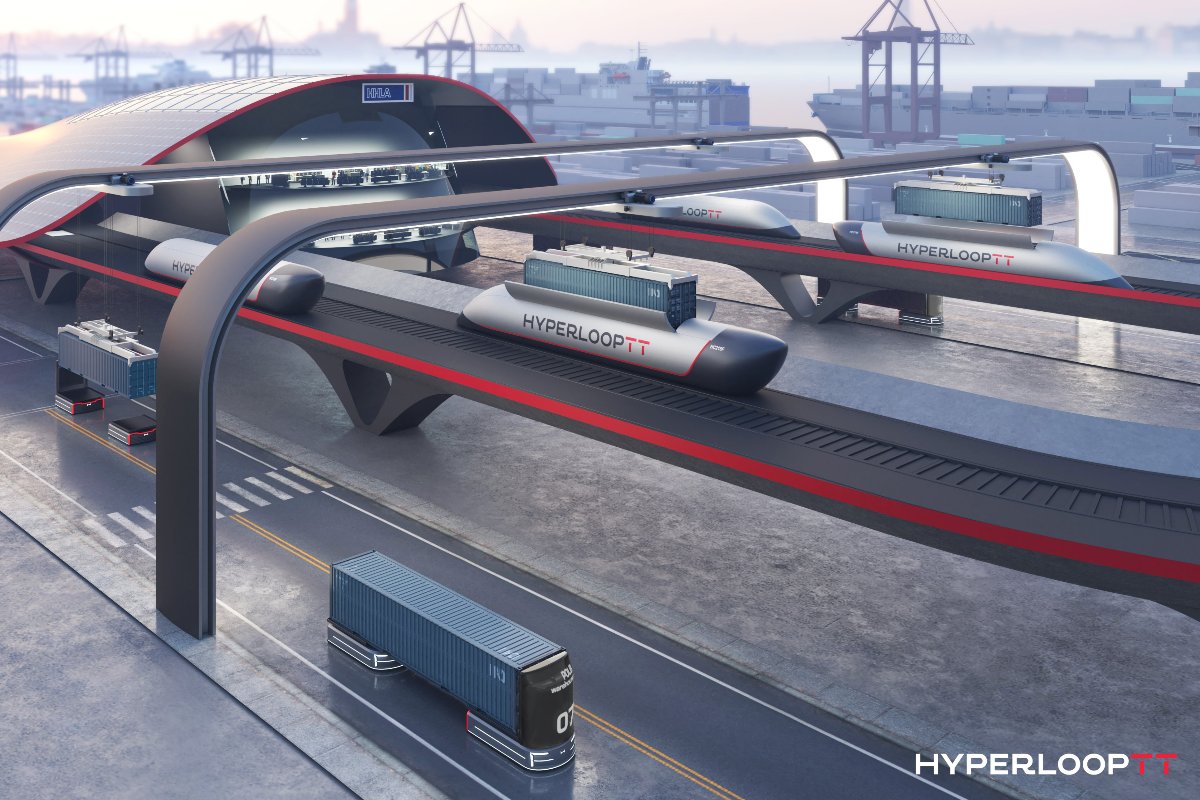
HyperloopTT, in partnership with EGA Group and the Federal University of Santa Catarina, has conducted a comprehensive study examining the feasibility of a HyperPort system. This innovative transport solution aims to improve the efficiency of freight transport, leveraging advanced Hyperloop technology.
The study reveals that the HyperPort system has the potential to handle large volumes of cargo while significantly reducing transit times. This improvement could alleviate current logistical challenges, thereby enhancing supply chain effectiveness. The research points out that moving freight through Hyperloop technology can not only accelerate delivery times but also decrease environmental impacts associated with traditional transportation methods.
Sustainability is a primary focus of the findings. The HyperPort system is designed to be energy-efficient and conducive to reducing carbon emissions, contributing positively to environmental goals. HyperloopTT’s approach prioritizes the use of renewable energy sources, further underscoring its commitment to creating sustainable transport infrastructure.
Economic benefits are also a significant outcome of the study. By optimizing freight transport through HyperPort technology, companies could save on operational costs and enhance productivity. Faster delivery times could translate to better inventory management and customer satisfaction, positioning businesses to be more competitive in their markets.
The collaboration between HyperloopTT, EGA Group, and the Federal University of Santa Catarina reflects a strategic effort to advance transportation innovations. By addressing crucial aspects such as capacity, sustainability, and economic efficiency, the study lays the groundwork for potential future investments and developments in hyperloop transportation systems. The insights gained from this research are paving the way for discussions on the practical implementation of HyperPort technology in the logistics sector, aiming to revolutionize how goods are transported in the future.
As the transport industry looks for solutions to modern challenges, studies like this from HyperloopTT offer a glimpse into a future where traveling and shipping becomes faster, cleaner, and more sustainable. The findings highlight a promising direction for engineering and economy, with HyperPorts standing at the forefront of a transportation revolution.
The content above is a summary. For more details, see the source article.









