

Key Takeaways
- The “Iron Dome for America” initiative may revitalize nuclear disarmament discussions, reminiscent of Reagan’s Strategic Defense Initiative.
- Trump’s engagement with Putin about nuclear arms reduction raises expectations for negotiations including China.
- Successful disarmament will depend on technology-sharing and managing geopolitical tensions to avoid an arms race.
Reviving the Vision of Nuclear Disarmament
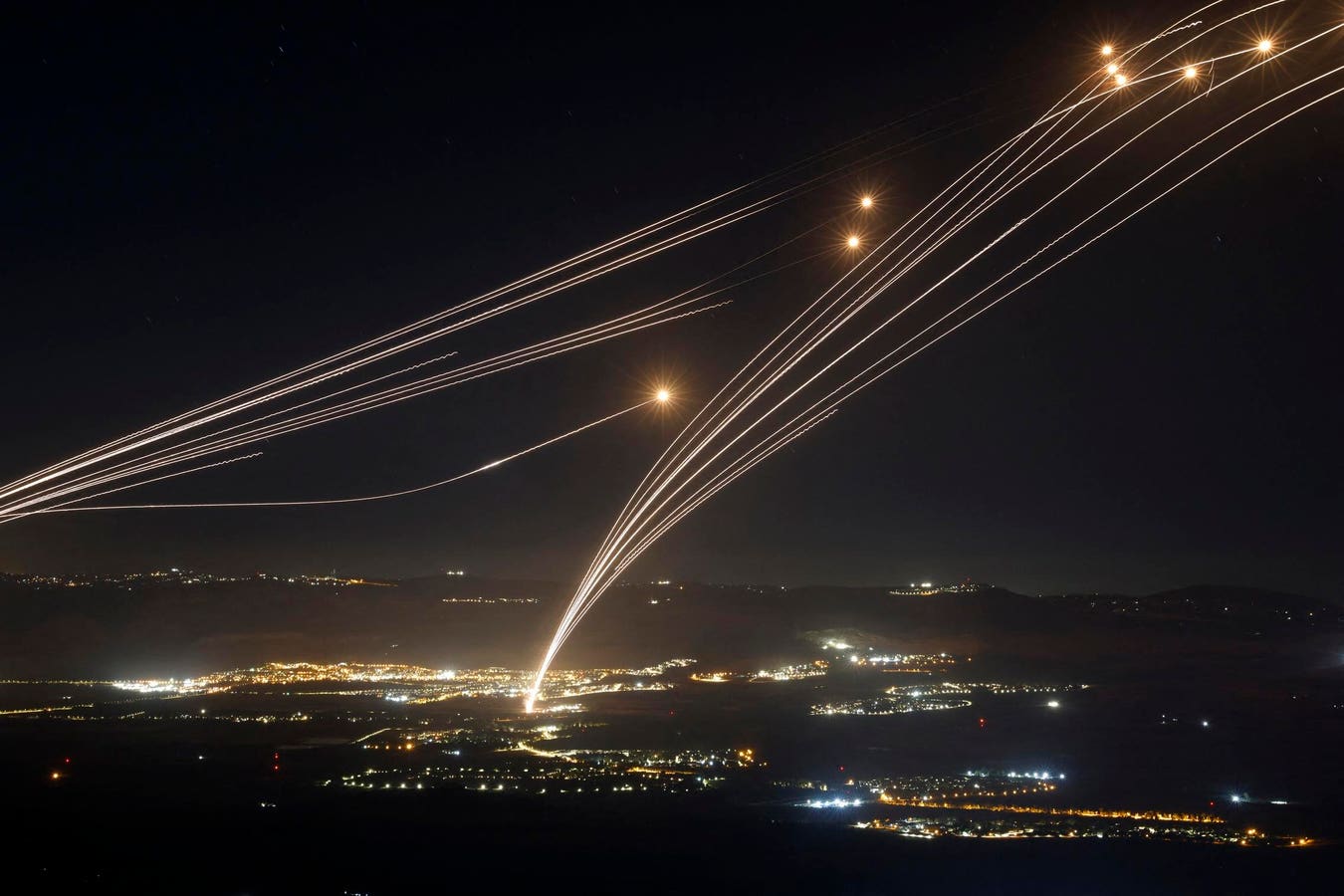
The Biden administration’s rollout of the “Iron Dome for America,” a space-based missile defense initiative, has reignited conversations surrounding nuclear disarmament, drawing parallels with President Reagan’s Strategic Defense Initiative (SDI). This new program outlines a defense network designed to intercept incoming intercontinental ballistic missiles (ICBMs), a concept that once aimed to shield against nuclear threats.
Reagan’s vision included offering shared technology from the SDI as a means to not only enhance global security but also to negotiate significant nuclear disarmament with the Soviet Union. He termed nuclear weapons morally questionable and sought to eliminate them entirely through dialogue and technology sharing. Reagan’s willingness to dismantle American and Soviet arsenals emphasized the dual approach of defense development alongside disarmament talks.
In a recent return to the political forefront, Trump has surprised many by initiating discussions with Russian President Vladimir Putin regarding potential nuclear arms reductions, potentially including China in the conversations. Trump described denuclearization as both a crucial and achievable goal, emphasizing the financial strain and risks associated with nuclear armaments.
Shortly after these announcements, Trump introduced the “Iron Dome for America,” arousing speculation about a strategic connection between missile defense and nuclear disarmament initiatives. This concept seems to echo Reagan’s approach, implying that the promised defense system could act as leverage in negotiations to incentivize reductions in nuclear stockpiles worldwide.
However, implementing such a defense initiative is fraught with challenges, particularly in developing an effective and timely-performing missile defense system. Additionally, unilaterally deploying this technology could escalate tensions, prompting other nations to bolster their nuclear capabilities to maintain deterrence. Experts assert that any effective missile defense system must be accompanied by a commitment to share the technology with other states willing to engage in serious disarmament negotiations.
The potential for Trump to facilitate a transformative nuclear arms agreement, or even succeed in denuclearization, carries significant implications for international peace. Achieving such goals may reshape global relations and potentially earn him recognition, such as the Nobel Peace Prize, for his efforts. The urgency of the matter is reflected in the current state of the Doomsday Clock, which ticks perilously close to midnight at just 89 seconds, underscoring the pressing risk of nuclear conflict.
In light of ongoing global tensions, particularly due to Russia’s actions in Ukraine, the need for effective nuclear diplomacy has never been more critical. The success of Trump’s “Iron Dome for America” could hinge on both its technological viability and his skill in fostering cooperation and trust among nuclear powers to avoid a potential disaster in global security.
The content above is a summary. For more details, see the source article.