


Key Takeaways
- CryoVera harnesses natural molecules to inhibit ice crystal growth, enhancing the texture and shelf life of frozen foods.
- By isolating these antifreeze molecules from natural sources, the startup aims to simplify and expedite their market entry.
- CryoVera targets diverse food applications, including ice cream, frozen bakery products, and plant-based meats.
Addressing Ice Crystal Issues in Frozen Foods
Ice crystals can significantly compromise the quality of frozen foods, impacting texture and reducing shelf life. CryoVera, a Paris-based startup co-founded by Andrea Sciutto, is tackling these challenges with innovative solutions. The main problem arises when small ice crystals aggregate into larger ones, resulting in undesirable textures.
Sciutto explains that temperature fluctuations during storage and distribution lead to these issues. Each time a freezer is opened, small temperature changes occur, affecting the product inside. Traditional methods to mitigate ice crystal growth have included various stabilizers and alternative proteins, yet many formulations still fall short.
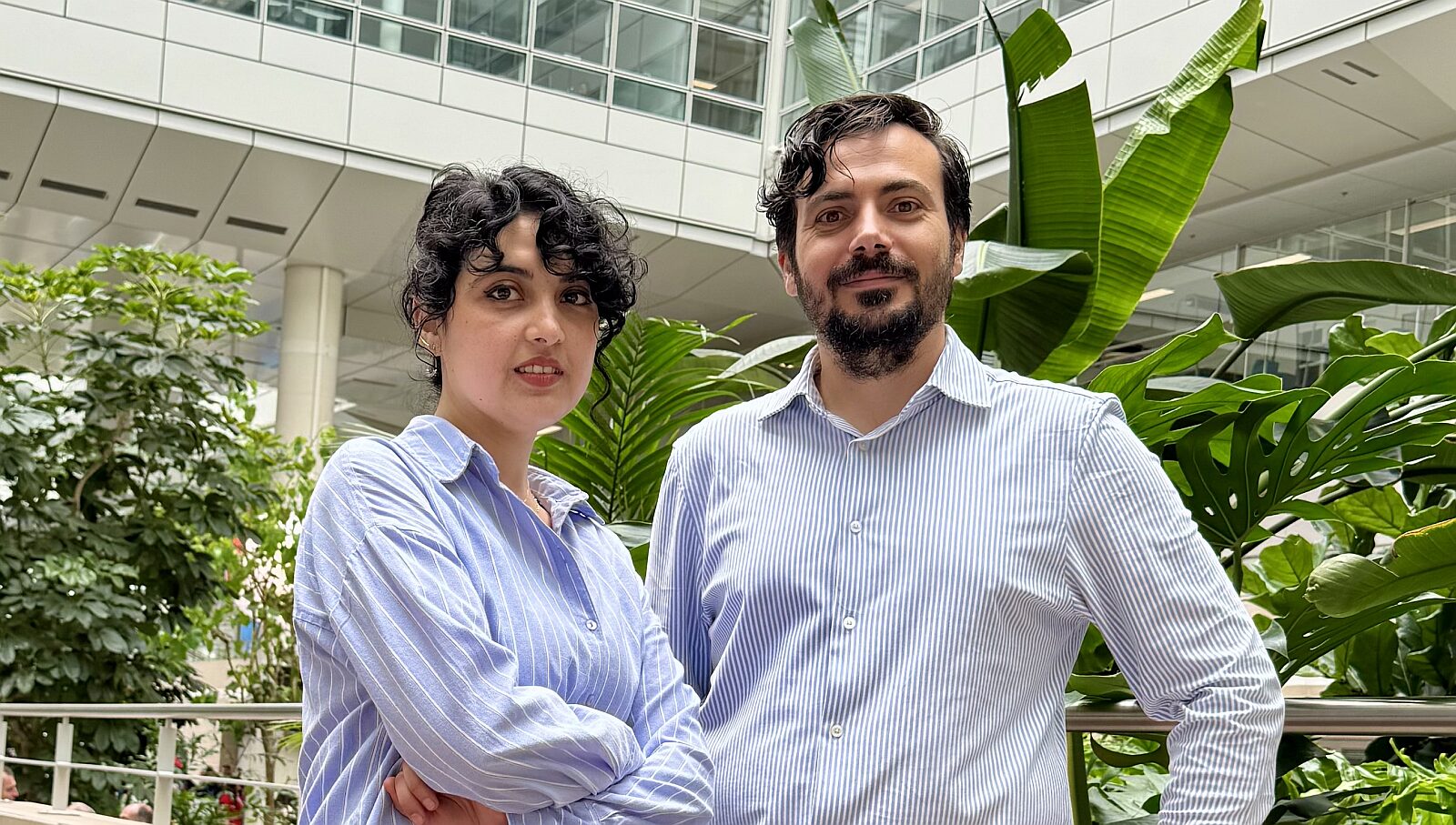
CryoVera is pioneering a fresh approach with proprietary extraction technology that enables the use of naturally occurring antifreeze molecules found in extremophiles—organisms that thrive in extreme cold. While specifics are under wraps due to pending patents, the process aims to utilize these molecules extracted without compromising their functionality. Co-founder Aya Gomaa emphasizes the significance of clean extraction, pairing chemistry and biology to develop effective methodologies.
The innovation lies in the ability of these molecules to bind to ice crystals, thus preventing further crystal formation. In preliminary tests, even low concentrations effectively inhibit recrystallization, essential for maintaining product quality and cost efficiency.
Currently, CryoVera is expanding its reach by supplying samples to firms in the frozen bakery and ice cream sectors, along with interest from producers of plant-based meats. Their technology not only helps preserve the creamy texture of ice cream but also enhances moisture retention in thawed or cooked products. Notably, preliminary observations show positive results when applied to frozen doughs containing live yeast, reducing damage during ice crystallization.
Despite the potential for widespread application, regulatory hurdles remain. The classification of their extracted ingredients will depend on how they are defined by food safety authorities. If labeled as an additive, they would receive an E-number in Europe; otherwise, they may be classified simply as food.
Looking to the future, CryoVera plans to customize its solutions for specific frozen food applications rather than offering a one-size-fits-all ingredient. This tailored approach will guide their intellectual property strategy, ensuring unique formulations designed for various products, including those particularly vulnerable to recrystallization, such as plant-based ice cream.
As CryoVera continues its development, the emphasis remains on scaling production and optimizing extraction processes, paving the way for innovative solutions in the frozen food industry.
The content above is a summary. For more details, see the source article.









