


Key Takeaways
- Washington, D.C. has introduced a bottle bill requiring a 10-cent deposit on select beverage containers to reduce litter and improve recycling.
- The program aims to achieve a 70% recycling rate by 2028 and includes environmental justice considerations for communities affected by pollution.
- Implementation will feature redemption centers in each of D.C.’s eight wards, making it accessible to under-resourced areas.
New Bottle Bill to Combat Litter in D.C.
Washington, D.C. is set to join the ranks of ten states with bottle bills by introducing a new measure aimed at reducing litter and enhancing recycling efforts in the nation’s capital. The freshly proposed legislation would impose a 10-cent deposit on specific beverage containers, with a nonprofit supported by beverage distributors managing the initiative under the oversight of the D.C. Department of Energy and the Environment. The program is targeted to launch in 2028, boasting a goal of achieving a 70% recycling rate in its inaugural year.
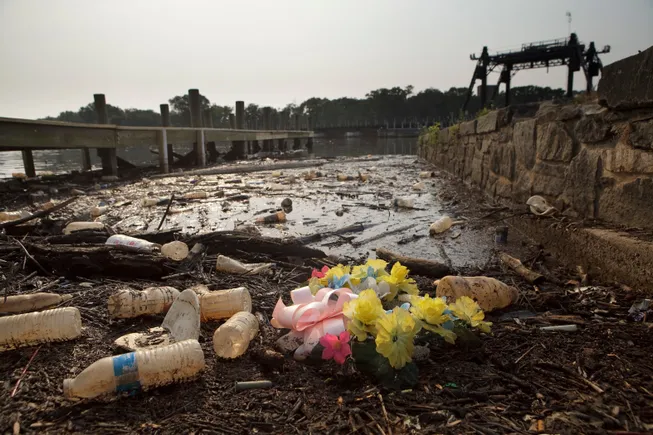
Councillor Brianne Nadeau, a key proponent of the bill, emphasized the pressing litter problem in D.C., particularly concerning beverage containers. Notably, plastic bottles account for approximately 60% of the trash collected from the Anacostia River annually, as reported by the environmental group Anacostia Riverkeeper. The evident pollution, especially in communities of color, has propelled local officials toward the introduction of the bottle bill instead of alternative measures like extended producer responsibility for packaging.
Advocates from Anacostia Riverkeeper have expressed optimism, suggesting the bill could potentially halve the amount of litter in the river. The bill draws inspiration from successful bottle redemption programs in states such as Oregon and Michigan. Nadeau pointed out the declining return rates in areas with lower deposits, justifying the decision for a higher initial deposit of 10 cents, with the possibility of increasing to 15 cents by 2033 if specified redemption targets are unmet.
The legislation includes a significant provision to ban the disposal of covered beverage containers starting on January 1, 2027. By the end of 2028, the program aims for a 75% redemption rate, increasing to 90% by 2031 and 95% by 2034. Additionally, recycling targets indicate a 70% recycling rate by December 31, 2028, rising to 80% by 2031 and 85% by 2034.
Though details on execution will be determined by a stewardship organization, the bill notes various possible redemption infrastructures, including reverse vending machines and bag drop programs. Notably, retailers smaller than 2,000 square feet would be exempt from requiring return systems. The distribution of redemption centers across all eight wards of D.C. is crucial for ensuring accessibility, particularly in under-resourced neighborhoods, as emphasized by Nadeau.
Environmental justice is integral to the legislation, aiming to alleviate the long-standing pollution of the Anacostia River, which has historically impacted the city’s marginalized communities. The proposed bill would also address the waste incineration issues faced by the predominantly Black and Brown community near Lorton, Virginia, where toxic emissions have been a concern.
Advocacy group representatives, like Damian Bascom from the Black-led Zero Waste Coalition, assert that the bill could create income opportunities for low-income residents, similar to canner roles in states like New York and Oregon. Bascom noted that the bottle bill extends beyond mere recycling; it encompasses themes of sustainability, equity, and dignity.
D.C.’s status as the capital, hosting numerous visitors and officials annually, means local litter challenges often gain national attention. The introduction of this bottle bill coincides with previous environmental initiatives in the district, including a plastic bag fee and a ban on plastic straws. Nadeau highlighted that the new bill aligns with the broader zero waste campaign, enhancing D.C.’s commitment to sustainable practices.
The content above is a summary. For more details, see the source article.









