

Key Takeaways
- Dairy producers approved modifications to federal milk marketing orders, reversing 2018 pricing changes.
- The new order will implement a different pricing formula for Class 1 milk, effective June 1.
- Increased “make allowances” for processors aim to balance costs and support the dairy industry’s stability.
Modifications to Federal Milk Marketing Orders Approved
Dairy producers have voted in favor of key changes to federal milk marketing orders, particularly reversing a pricing adjustment introduced in the 2018 farm bill. The U.S. Department of Agriculture’s (USDA) Agricultural Marketing Service (AMS) finalized these modifications last fall and put them to a referendum in December encompassing all 11 marketing orders across regions including the Northeast, Florida, California, and the Pacific Northwest. Producers from all regions successfully approved these revisions with the required two-thirds majority.
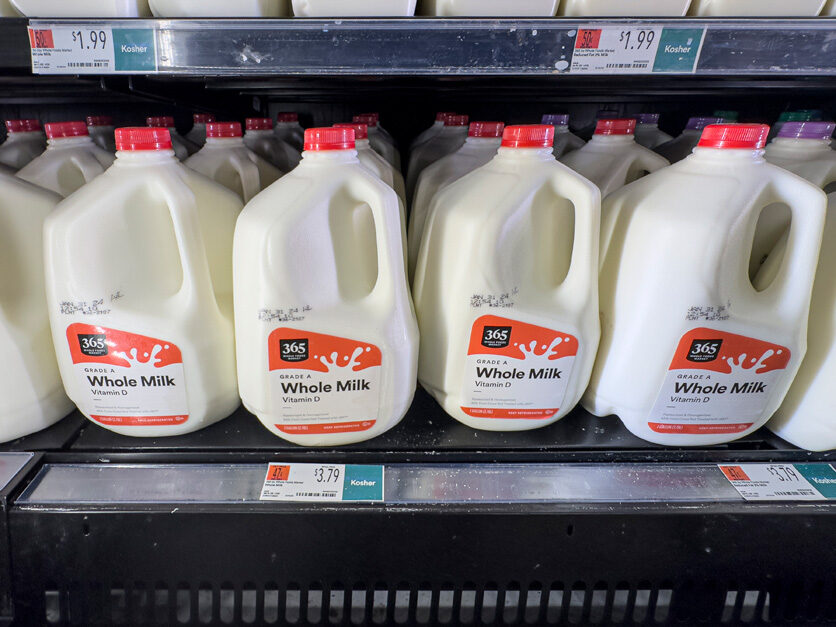
Set to take effect on June 1 for most provisions, the final order reinstates a pricing rule that ensures the Class 1 price for drinking milk is the greater of the Class 3 (used for cheese) price or the Class 4 (butter and milk powder) price for the month, along with a location-specific differential. In contrast, the previous formula from the 2018 farm bill had fixed the Class 1 price at 74 cents per hundredweight above the average of the Class 3 and Class 4 prices.
Dana Coale, deputy administrator of the AMS Dairy Program, highlighted that the pricing formula from the farm bill led to significant income reductions for producers, particularly during the COVID-19 pandemic’s market disruptions. Coale emphasized that the new order offers producers more predictability regarding future pricing.
In addition to the overall pricing adjustments, the new regulations also introduce a revised pricing formula for extended shelf life (ESL) milk products, including ultra-filtered Fairlife milk. This change, similar to the provisions from the 2018 farm bill, aims to stabilize pricing for products with longer marketing periods, which represent roughly 8% to 10% of the fluid milk market.
Another significant aspect of the final order is the increase in processors’ “make allowances,” which are cost deductions employed for manufacturing Class 3 and Class 4 dairy products. The updated make allowances reflect a compromise between producers and processors. They will increase to 25.19 cents per pound for cheese, 22.72 cents for butter, 23.93 cents for nonfat dry milk, and 26.68 cents for dry whey, compared to the outdated 2008 figures.
Coale described the interdependence of producers and processors, noting that any imbalance in financial distribution had to be addressed. Michael Dykes, president and CEO of the International Dairy Foods Association (IDFA), stated that while not every issue in the supply chain was resolved, the order represented necessary changes in make allowances and could foster a more unified and progressive dairy industry.
The National Milk Producers Federation (NMPF), which championed the revisions, expressed approval for the final rule, emphasizing its potential to strengthen the industry. NMPF President and CEO Gregg Doud commended the collaborative efforts across the government and the dairy sector, believing this plan would ensure fairer pricing for milk and bolster the industry’s future viability.
Overall, these modifications signify a pivotal step toward improving stability and profitability in the dairy market, reflecting the contributions and insights from stakeholders across the industry.
The content above is a summary. For more details, see the source article.