


Key Takeaways
- The U.S. threatens severe military action against Iran if diplomatic negotiations fail.
- Concerns about potential damage to Iranian energy infrastructure could impact global fertilizer prices.
- Farmers are reducing fertilizer use due to rising costs and inflation pressures on crop yields.
U.S. Intensifies Threats Against Iran
The U.S. administration has announced plans to escalate military strikes on Iran if no agreement is reached by a set deadline. President Donald Trump stated that, without compliance by midnight Tuesday, Iran would face “complete demolition.” Trump warned of devastating consequences, saying every bridge and power plant in Iran would be attacked.
Defense Secretary Pete Hegseth indicated that the planned strikes would be the largest to date, possibly exceeding previous military actions. Analysts highlight that damage to critical Iranian energy infrastructure could have long-lasting effects on global markets, particularly impacting fertilizer prices. StoneX’s Arlan Suderman remarked that repairing such infrastructure could take years.
In light of these developments, India’s intention to purchase 2.5 million metric tons of urea adds to increasing price pressures. Concurrently, some U.S. farmers are already cutting back on fertilizer usage to manage costs. Nebraska corn farmer Ben Steffen reported using less fertilizer this year compared to previous years amid fluctuating market conditions.
Push for Biodiesel Tax Credit Revitalization
In related economic news, trade groups for diesel sellers are advocating for the revival of the biodiesel blenders’ tax credit, which expired in 2024. They propose reinstating the two-decade-old credit, arguing that its proven structure would support soybean demand and stabilize diesel prices. The National Association of Truck Stop Operators (NATSO) and others assert that the current replacement, 45Z, is complex and lacks transparency.
Separately, the Iowa Biodiesel Board is urging the Treasury to integrate a USDA carbon calculator into the 45Z framework, advocating for retroactive application to last year’s biodiesel production. Executive Director Grant Kimberley emphasized the need for clarity and effectiveness for the benefit of producers and farmers.
Trump Highlights Declining Egg Prices
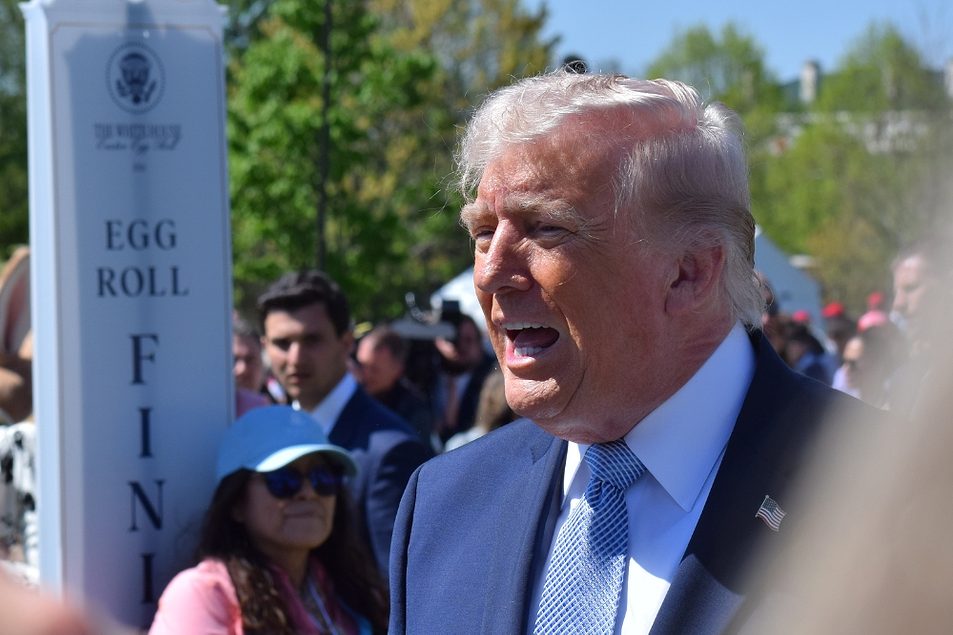
During the White House Easter Egg Roll, President Trump thanked farmers for reducing egg prices significantly over the past year. Egg prices soared due to avian influenza and subsequent depopulation, but currently reflect a decline of 57% according to the American Farm Bureau Federation. Trump’s statements coincided with the event, which featured 40,000 hand-dyed eggs and a showcase of American agricultural products.
Trade Policy Address and Agricultural Challenges
U.S. Trade Representative Jamieson Greer is scheduled to discuss future trade policies following his participation in a World Trade Organization conference. Greer has been critical of the WTO and its recent inability to address key issues. Meanwhile, Klamath Basin water leaders are advising farmers of a challenging water year due to limited snowpack, warning of reduced water deliveries. This follows a trend where farmers must make tough decisions to navigate the difficult agricultural landscape.
Agriculture Secretary Brooke Rollins commented on the importance of the Trump administration’s “America First” initiative, emphasizing the need for enhanced U.S. infrastructure to support domestic agricultural needs, including fertilizer production.
The content above is a summary. For more details, see the source article.









