


Key Takeaways
- The Senate draft farm bill lacks provisions for year-round E15 sales and the repeal of California’s Proposition 12, though optimism remains for their inclusion in future negotiations.
- Legal challenges against EPA biofuel regulations have prompted significant support from ethanol trade groups defending the existing biofuel blending rules.
- Recent Supreme Court rulings favoring Monsanto are expected to limit liability lawsuits related to pesticide warnings, prompting mixed reactions from various stakeholders.
Senate Farm Bill Insights
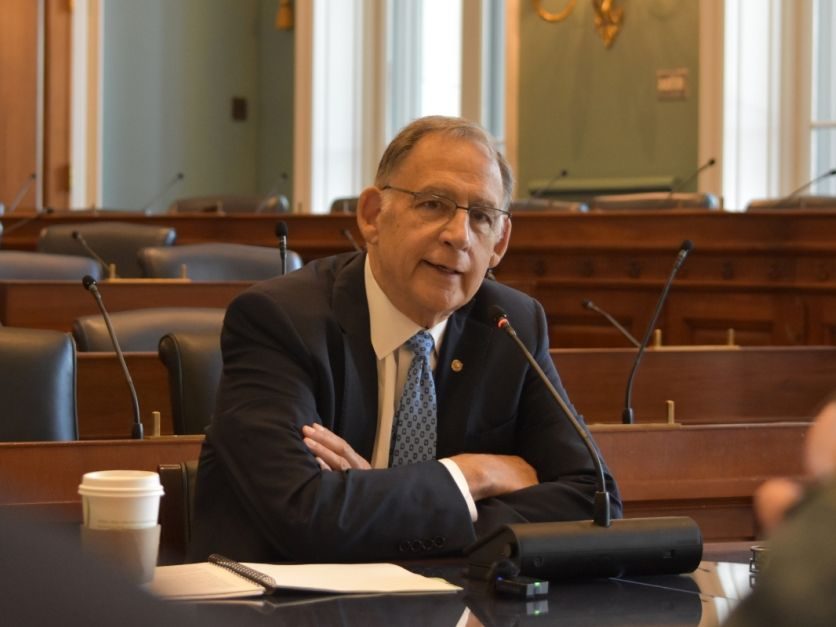
The Senate’s draft farm bill does not currently include provisions for year-round ethanol blend E15 or a repeal of California’s Proposition 12. However, Agriculture Committee Chairman John Boozman is optimistic that both measures could be negotiated into the final legislation. Boozman stated that including language to nullify Prop 12 has a “fair chance,” especially since it was part of the House’s version of the bill, with House Agriculture Committee Chairman Glenn “GT” Thompson also anticipating its inclusion in the conference committee discussions.
Boozman expressed caution regarding the draft’s omission of the Prop 12 regulation due to anticipated lack of bipartisan support, saying, “We need 60 votes in the Senate, as opposed to 51 in the House.” Meanwhile, he hopes that year-round sales of E15 might be added through a supplemental government funding package expected to be around $90 billion, as indicated by President Trump. Should this avenue fail, Boozman remains confident about the possibility of passing E15 as a standalone bill.
Ethanol Groups Fighting Back
Two major U.S. ethanol trade organizations—Growth Energy and the Renewable Fuels Association (RFA)—are stepping up to support the EPA amid legal challenges against its biofuel-blending regulations. The Center for Biological Diversity, Sierra Club, and other groups are pushing for a review of the EPA’s renewable volume obligations (RVOs). The RFA and Growth Energy are concerned that these organizations may argue that RVOs are excessively high, impacting farmers and consumers negatively.
Growth Energy’s CEO, Emily Skor, emphasized the importance of U.S. biofuel law, stating, “We have special interests aiming to undermine the record-setting 2026-2027 RVOs to the detriment of farmers, consumers and the environment.”
Supreme Court Rulings Impact
In a significant ruling, the Supreme Court sided with Monsanto, a decision Bayer claims will help “significantly contain litigation” regarding Roundup by preempting conflicting state-law-based warning claims. The 7-2 decision, along with a proposed $7.25 billion class-action settlement, is expected to reduce both ongoing lawsuits and future claims linked to pesticide safety warnings. Business and agricultural groups have welcomed the decision, while public health organizations argue it may hinder accountability for pesticide manufacturers.
Bayer indicated that the ruling should help dismiss a majority of state-based failure-to-warn claims, which have previously constituted a significant part of ongoing litigation.
Implications for SNAP Benefits
A report from the Center on Budget and Policy Priorities highlights that states might need to pay around $9 billion for Supplemental Nutrition Assistance Program (SNAP) benefits starting next year. The report attributes this to payment error rates and indicates that nearly half of the states may face financial burdens exceeding $100 million. The One Big Beautiful Bill Act has modified administrative cost responsibilities, meaning states may have to fund part of SNAP for the first time, raising concerns about potential cuts to access if costs cannot be managed.
Executive Order on Agriculture
President Trump recently signed an executive order aimed at promoting precision agriculture and speeding up the approval process for new pesticide ingredients. This order instructs various agencies to develop frameworks to assess cumulative health effects from pesticide exposures and prioritizes the registration of newer alternatives to older substances.
U.S.-Uzbekistan Trade Developments
The U.S. and Uzbekistan have finalized an “early harvest” of trade commitments, with Uzbekistan agreeing to reduce tariffs on American goods. This deal builds on previous agreements worth $32 billion and highlights the U.S. support for Uzbekistan’s accession to the World Trade Organization.
The content above is a summary. For more details, see the source article.









