

Key Takeaways
- Brooke Rollins emphasizes urgent action on animal disease outbreaks and efficient distribution of $31 billion in disaster aid at her confirmation hearing.
- President Trump threatens tariffs on Russia unless the war in Ukraine ends, directly impacting agricultural supply chains.
- Trump’s administration is moving to dismantle federal diversity and inclusion initiatives and Argentine trade barriers are eased for U.S. food exports.
Rollins Confirmation Hearing Highlights Animal Disease and Aid
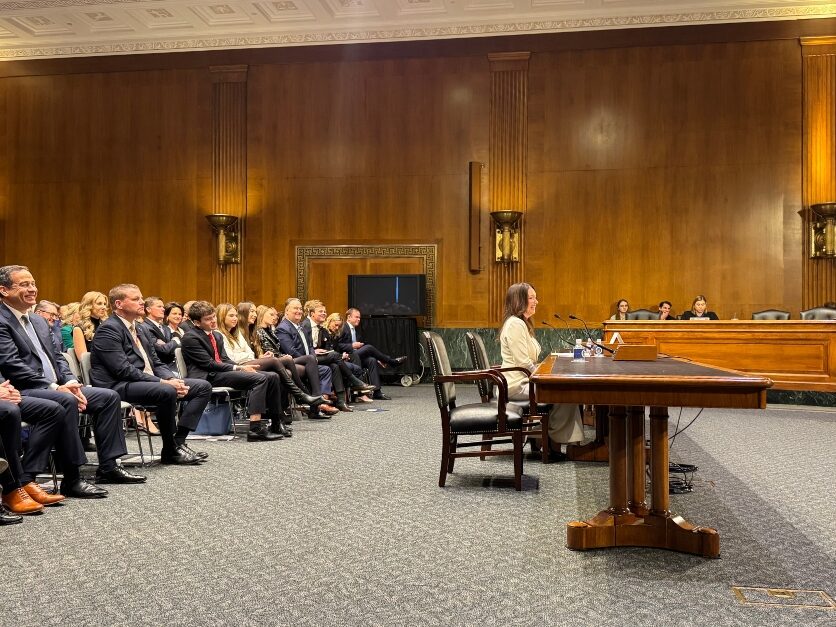
Brooke Rollins, President Trump’s nominee for Secretary of Agriculture, appeared before the Senate Agriculture Committee for her confirmation hearing. She is expected to address significant issues, including bird flu, biofuel policies, and nutrition assistance. In her opening statement, Rollins stressed the urgent need to “immediately and comprehensively” contain ongoing animal disease outbreaks. She also pledged to ensure that farmers receive $31 billion in disaster and economic assistance authorized by Congress was distributed “as quickly and efficiently as possible.” Acknowledging the economic challenges facing American agriculture, Rollins affirmed her commitment to serving all of agriculture and the American public.
Trump Targets Russia with Potential Tariffs
On the political front, President Trump directed his attention towards Russia, threatening new tariffs unless President Vladimir Putin ceases military actions in Ukraine. Trump made these remarks in a post on Truth Social, indicating that Russia’s struggling economy could worsen unless a deal is achieved promptly. He mentioned considering high taxes, tariffs, and sanctions on Russian imports to the U.S. This development could have significant implications for agriculture, as estimates show Russia supplies 20% of global potash fertilizers, with around 9% of U.S. imports coming from the country.
Changes Proposed at the Office of Management and Budget
Russell Vought, Trump’s nominee to lead the Office of Management and Budget, criticized federal assistance programs, describing them as a “benefit hammock,” especially in the wake of the COVID-19 pandemic. Vought outlined potential reforms aiming for a balanced budget and noted that House Budget Committee Chair Jodey Arrington suggested cutting costs in the Supplemental Nutrition Assistance Program by tightening eligibility requirements. Discussions on reforming the SNAP program took place at a recent House GOP meeting.
Administration Moves Against Diversity Initiatives
The Trump administration is taking actions to dismantle federal initiatives aimed at promoting diversity, equity, inclusion, and accessibility. An initial guidance memo from the Office of Personnel Management indicated that agencies should notify employees from DEIA offices of their immediate placement on paid administrative leave. It mandates the withdrawal of all equity plans and communications initiated under a previous executive order from former President Biden. This initiative affects various departments, including the USDA.
Argentina Eases Food Import Processes for U.S. Exporters
In international trade news, Argentina announced it will simplify import procedures for U.S. food products, reducing trade barriers. The new decree allows products certified in countries with high health surveillance standards to be recognized automatically under Argentine food regulations. This reform aims to provide cheaper food for Argentines while increasing the availability of Argentine products in global markets.
New Pathway for Animal Feed Ingredient Review
State feed control officials have developed a new method for reviewing animal feed ingredients in collaboration with Kansas State University’s Olathe Innovation Campus. This new pathway aims to improve scientific review processes previously managed by the FDA.
Uncertainty Surrounds Biofuel Tax Credits
In the biofuel sector, uncertainty remains regarding the 45Z tax credit for clean fuel producers. Industry leaders are calling for immediate clarity from the Trump administration on the implications for product sales. Clean Fuels Alliance America CEO Donnell Rehagen emphasized the urgent need for definitive guidance for producers wishing to understand the new regulatory landscape.
The content above is a summary. For more details, see the source article.