


Key Takeaways
- A New Mexico dog diagnosed with New World screwworm did not travel to Mexico, as confirmed by local authorities.
- Senator Peter Welch emphasized the urgent need for farm bill provisions to support farmers facing economic challenges due to tariffs and rising production costs.
- The European Parliament approved a regulation for streamlined gene editing in agriculture, sparking mixed reactions from industry stakeholders.
Dog Screwworm Case in New Mexico Not Linked to Travel
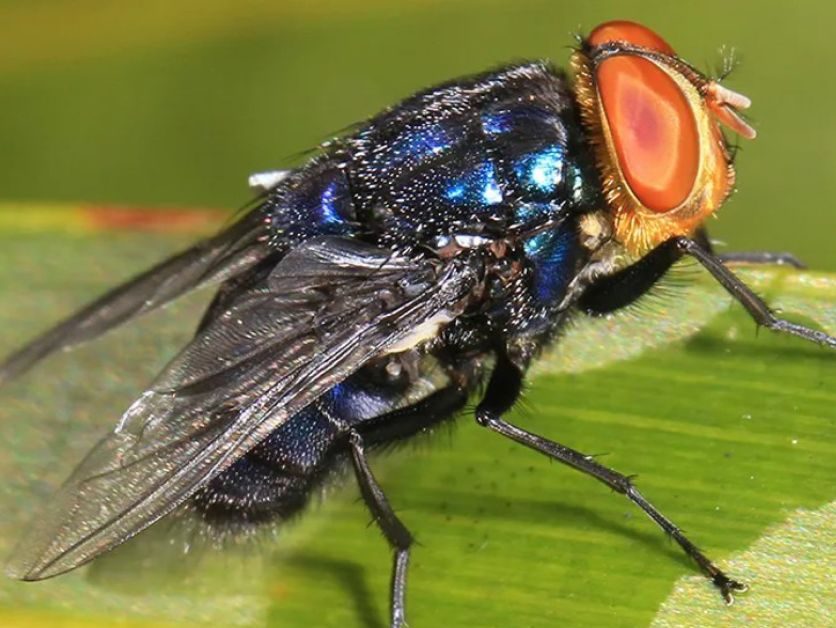
New Mexico Agriculture Secretary Jeff Witte confirmed that a dog recently diagnosed with New World screwworm has not traveled to Mexico, countering earlier reports of an international connection. The confusion arose from a veterinarian’s paperwork error, which mistakenly listed Mexico instead of New Mexico.
Following an investigation involving interviews with the dog’s owners and neighbors, authorities are confident that the dog did not travel outside the state. Witte noted that despite the presence of other animals in the area showing minor injuries, none were diagnosed with screwworm.
In response to the incident, an infested zone has been designated around the dog’s residential area to monitor for potential further cases. The USDA has also deployed over one million sterile flies in an effort to control the infestation.
Farm Bill Critique: Prioritizing Farmer Relief
As the Senate Agriculture Committee prepares to release the new farm bill, Senator Peter Welch from Vermont stressed the importance of addressing the financial strains farmers face. He remarked that farmers are coping with increasing production costs against diminishing earnings, urging for immediate relief, especially for those affected by tariffs and higher fertilizer prices.
Senator Welch also criticized the cost-shifting provisions in the One Big Beautiful Bill Act, which place some SNAP costs on states, stating that such policies could jeopardize the cooperation between agricultural and nutrition advocates, a coalition crucial for future farm legislation.
Mixed Reactions to EU Gene Editing Regulation
The European Parliament’s recent approval of a regulation for New Genomic Techniques (NGTs) in agriculture has sparked divergent responses. The American Seed Trade Association praised the move as a significant advancement for innovation and global food security, arguing it creates a more predictable environment for seed companies.
In contrast, IFOAM, an organic farming group, cautioned against the potential overemphasis on the purported benefits of NGTs, calling for more scrutiny over the technology’s control and its implications for European food sovereignty.
Investment firm Oppenheimer noted that Corteva has been preparing to launch gene-edited products within the coming 12-24 months, contingent on the finalized NGT rules.
Impact of Tariffs on Global Agriculture
Mary Boote, CEO of the Global Farmer Network, discussed the adverse effects of U.S. tariffs on farmers worldwide during a recent interview. She recounted how a Canadian potato farmer incurred a staggering $3 million loss in a single day due to tariffs, which redirected intended products for McDonald’s into animal feed.
Boote described how farmers globally adapt to the unpredictable economic landscape shaped by tariffs and market conditions.
Georgia Senate Race Heats Up
In a strong showing for Trump-backed candidates, Rep. Mike Collins secured the Republican nomination to challenge incumbent Democratic Senator Jon Ossoff in Georgia’s upcoming Senate race. Following Trump’s endorsement, Collins must navigate a competitive environment against Ossoff, who is positioned as a well-funded candidate in a state won by Trump in 2024.
Current electoral forecasts indicate that while Republicans are favored to retain their Senate majority, Democrats have improved their chances with key races to consider in states like Ohio, Alaska, Maine, and Michigan.
Ongoing Investigations into Meatpackers
Deputy Assistant Attorney General Nicole Sarrine reported that an investigation into the dominance of the “Big Four” meatpackers in the U.S. beef processing market is actively underway. The investigation has raised concerns about potential exploitation of consumers and farmers. Recent settlements, including one with Agri Stats, may lead to a decrease in chicken prices as a result.
The content above is a summary. For more details, see the source article.









