


Key Takeaways
- Trump expresses indifference toward negotiations with Iran while claiming talks continue.
- National commodity groups urge the removal of countervailing duties on phosphate fertilizers to lessen farmer burdens.
- Primary elections in several states today will test Trump’s influence and political dynamics heading into the November elections.
Trump’s Stance on Iran Negotiations
In a recent phone interview with CNBC, President Donald Trump displayed a lack of concern regarding the negotiations with Iran, saying he “couldn’t care less” about their outcome. Trump claimed that the negotiations had become “boring,” yet simultaneously noted that talks were “continuing, at a rapid pace.” The Iranian government had previously threatened military action in northern Israel if Israel did not cease operations against Hezbollah. Trump also mentioned facilitating a ceasefire but acknowledged the lack of confirmation from either side.
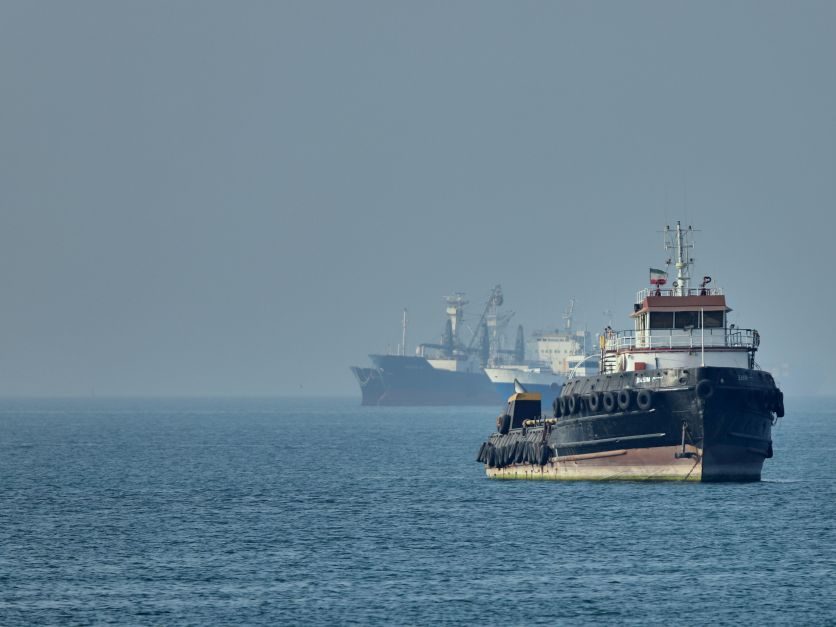
Meanwhile, shipping activity in the Hormuz Strait has dramatically decreased, with only four ships recorded as transiting the passage, a stark contrast to the usual 60 vessels, according to the Hormuz Strait Monitor.
Campaigns for Phosphate Fertilizer Duties
Sixty-five agricultural groups including major associations for corn, soybeans, cotton, and rice have collectively urged the U.S. Commerce Department to revoke countervailing duties on phosphate fertilizer imports. They cited a Texas A&M University analysis indicating that these duties have artificially inflated input costs by approximately $6.9 billion from 2021 to 2025 for various crop farmers. The groups claimed that these increased costs have contributed to a 31% decline in net farm income since 2022, exacerbating the financial strain on farmers during four consecutive years of losses.
The letter from these groups stresses that this governmental cost imposition jeopardizes the sustainability of family farms, with sentiments about preserving generational farming legacies.
Key Primaries on Election Day
The primary elections scheduled for today in states like Iowa and California are poised to significantly influence the upcoming elections in November. In Iowa, Republican Rep. Randy Feenstra is vying for the governorship, bolstered by Trump’s last-minute endorsement. However, polling indicates the potential for an upset, highlighting Trump’s impact on GOP voter sentiment. The state has seen a notable swing towards Republicans since Trump’s first campaign in 2016.
California’s jungle primary system, where the top two vote-getters proceed regardless of party affiliation, adds further tension to the political landscape. Republican Rep. David Valadao faces a tough race in California’s ag-rich Central Valley, where changing demographics and anti-Trump sentiments have increased prospects for Democratic gains.
Overall, the day’s primaries indicate heightened stakes for both parties amid Trump’s declining approval ratings and the ongoing struggle for control in Congress.
USDA Nominee and Legislation Developments
Glen Smith, Trump’s nominee for the USDA undersecretary position, awaits a vote in the Senate Ag Committee, which is expected to occur soon. Smith has previously headed the Farm Credit Administration and has strong ties to agricultural interests.
Additionally, more than 300 organizations have called on Congress to fully fund the Women, Infants, and Children (WIC) program while restoring the complete fruit and vegetable benefit that has seen proposed cuts. Asserted by the Food Research & Action Center, the proposed reductions would negatively impact families facing rising costs.
Lastly, Senator Adam Schiff has introduced a series of bills targeting specialty crop producers as part of the forthcoming farm bill. He criticized the current economic assistance package as inadequate and proposed measures to enhance insurance availability, funding for infrastructure, and market access for specialty crops, aiming to bolster support for American agricultural producers.
The content above is a summary. For more details, see the source article.









