


Key Takeaways
- Senate Republicans aim to reduce SNAP cuts proposed in the House budget reconciliation bill to around $150 billion.
- The U.S. and China agree to continue trade discussions following a productive call between President Trump and President Xi.
- A lawsuit has been filed against the USDA, alleging wrongful termination of grants for sustainable agriculture programs.
Senate Republicans Seek to Modify SNAP Cuts
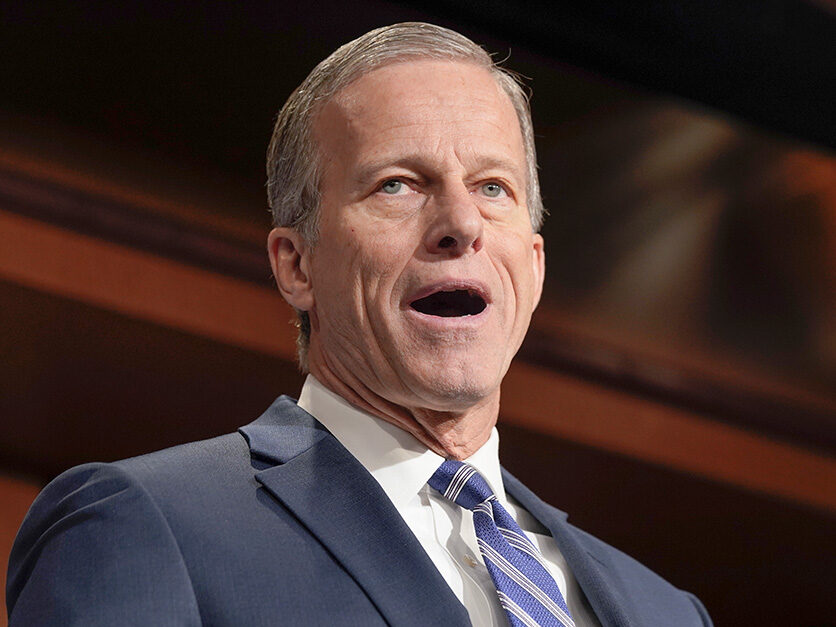
Senate Republicans, led by Agriculture Committee Chair John Boozman (R-Ark.), are looking to adjust the proposed cuts to the Supplemental Nutrition Assistance Program (SNAP) in the House budget reconciliation bill. The House version outlined a significant reduction of $238 billion, but the Senate committee aims to lower this to approximately $150 billion. Boozman noted that discussions are ongoing, with a focus on establishing what can be feasibly included in the legislation.
The proposed House cuts involve states contributing to SNAP costs, a plan that is met with pushback from some Senate Republicans. Alongside potential changes to SNAP, the Senate bill is expected to explore expanded work requirements for the program while also increasing funding for agriculture commodity programs.
U.S., China Agree to Continued Trade Discussions
Trade discussions between the United States and China are set to resume after a positive phone conversation between President Trump and Chinese leader Xi Jinping. Trump described the 90-minute call as beneficial for both nations. The dialogue follows China’s recent implementation of export controls on rare earth minerals, crucial for the auto sector. The engagement underscores a commitment to fulfilling prior agreements made in Geneva. The Chinese Embassy called for the U.S. to recognize existing progress and lift negative measures imposed against China.
Democrats Criticize USDA Spending Bill
The GOP’s fiscal 2026 spending bill for agriculture is advancing through the House Appropriations Committee amid criticisms from Democrats. The Ag Appropriations Subcommittee approved the bill, which proposes a 4.4% cut in discretionary funding to $25.5 billion. Democrats accused Republicans of neglecting essential programs, including nutrition assistance for women and children and Food for Peace initiatives. Subcommittee Chair Andy Harris (R-Md.) defended the proposal as promoting responsible and sustainable spending.
Natural Resources Conservation Service Initiatives
Aubrey Bettencourt, Chief of the Natural Resources Conservation Service (NRCS), is focusing on improving efficiency in program approvals and enhancing farmer access to data. At a recent event, she emphasized the importance of the SUSTAINS Act, which allows NRCS to leverage private funds for conservation initiatives. This act aims to support various projects, including carbon sequestration and wildlife habitat enhancement.
Legal Action Over USDA Grant Terminations
Three organizations are challenging the USDA in court over the termination of grants linked to sustainable agriculture programs. The Washington-based Oakville Bluegrass Cooperative, which lost a $4.9 million grant, claims the USDA did not adequately explain the terminations. The lawsuit highlights significant impacts, including employee layoffs and halted projects.
Summit Carbon Solutions Wins Legal Victory
Summit Carbon Solutions received a favorable ruling from the 8th Circuit Court of Appeals regarding local ordinances that impede its planned pipeline project. The court asserted that federal and state laws take precedence over county regulations, allowing for the continuation of Summit’s infrastructure efforts across multiple states.
Industry Perspectives
Kevin Stuckey from Cooper Farms expressed optimism about recent FDA approvals of PRRS-resistant pig genetics, emphasizing the transformative potential for producers if these innovations reach the market.
The content above is a summary. For more details, see the source article.









