


Key Takeaways
- Kuala Lumpur City Hall is integrating Artificial Intelligence and digital twin technology to improve urban management.
- AI-driven traffic systems and smart surveillance aim to enhance safety, efficiency, and quality of life in the city.
- The Smart City Expo Kuala Lumpur 2025 will highlight Malaysia’s advancements in smart city initiatives and technology adoption.
Advancements in Urban Management
Kuala Lumpur City Hall (DBKL) is advancing its integration of Artificial Intelligence (AI) and digital twin technology to enhance urban management. The digital twin initiative creates a real-time virtual model of the city, which facilitates efficient urban planning, infrastructure development, and quick emergency responses. AI-powered traffic systems are also being implemented to improve traffic flow, detect incidents in real time, and boost road safety throughout Kuala Lumpur.
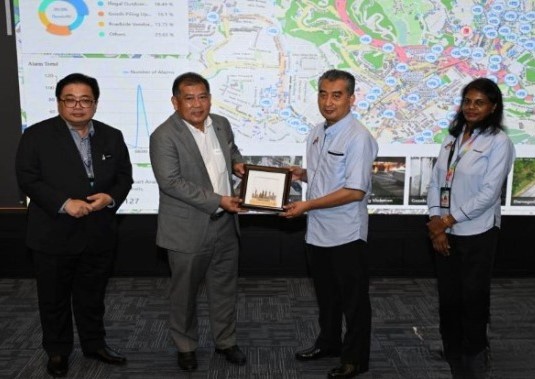
The importance of AI in modernizing the city’s infrastructure and services has been underscored by Malaysia’s Digital Ministry. This integration is intended to not only improve operational efficiency but also enhance the quality of life for residents. Deputy Digital Minister Datuk Wilson Ugak Kumbong, along with officials from the ministry, recently toured the Kuala Lumpur Command and Control Centre to witness these developments firsthand.
DBKL’s embrace of innovative technologies includes smart surveillance, AI-driven climate analytics, and sustainable mobility solutions. The city’s initiatives reflect a strong commitment to innovation in urban planning, aligning with Malaysia’s national goals for sustainable development and digital transformation. These efforts solidify Kuala Lumpur’s position as a leading smart city in the region.
As part of this technological commitment, DBKL is embedding advanced technologies such as AI, IoT, and big data into its infrastructure to tackle climate challenges and manage rapid urban growth. Strategies supported by frameworks like the Malaysia Smart City Framework align closely with international sustainability goals, including the UN Sustainable Development Goals and the Paris Agreement.
One pivotal initiative involves AI-enhanced CCTV networks for predictive surveillance, designed to improve city safety and traffic management. Over 5,000 smart cameras utilize facial recognition and behavioral analysis. IoT sensors and climate analytics are also being employed to collect data on environmental conditions, enabling rapid responses to climate events such as floods and heat waves.
The Zero Carbon Growth Zone in Wangsa Maju is another significant development, featuring solar energy systems, electric mobility, and walkable designs, all aimed at reducing emissions and improving urban livability. Furthermore, DBKL collaborates with partners like Think City to rejuvenate cultural areas through data-informed planning and extensive tree planting efforts to combat the urban heat island effect.
Looking ahead, the Smart City Expo Kuala Lumpur (SCEKL 2025) is scheduled for September 17-19. This event, organized by the Digital Ministry and other key agencies, will serve as a platform to showcase Malaysia’s smart city initiatives and aspirations, reinforcing the country’s commitment to becoming a regional hub for smart city development and digital transformation.
The content above is a summary. For more details, see the source article.









