


Key Takeaways
- The Delhi Government has mandated IoT-based automated monitoring systems in specified buildings for fire safety.
- The system will provide real-time alerts on critical fire safety infrastructure to owners and auditors.
- Implementation will occur in two phases, enhancing responsiveness during emergencies.
New Fire Safety Regulations in Delhi
The Delhi Government has introduced new regulations aimed at bolstering fire safety in buildings through the mandatory installation of an Internet of Things (IoT)-based Automated Continuous Monitoring System (ACMS). According to a recent gazette notification, this system is designed to digitally monitor fire prevention and life safety measures in real-time, ensuring they are functional and well-maintained.
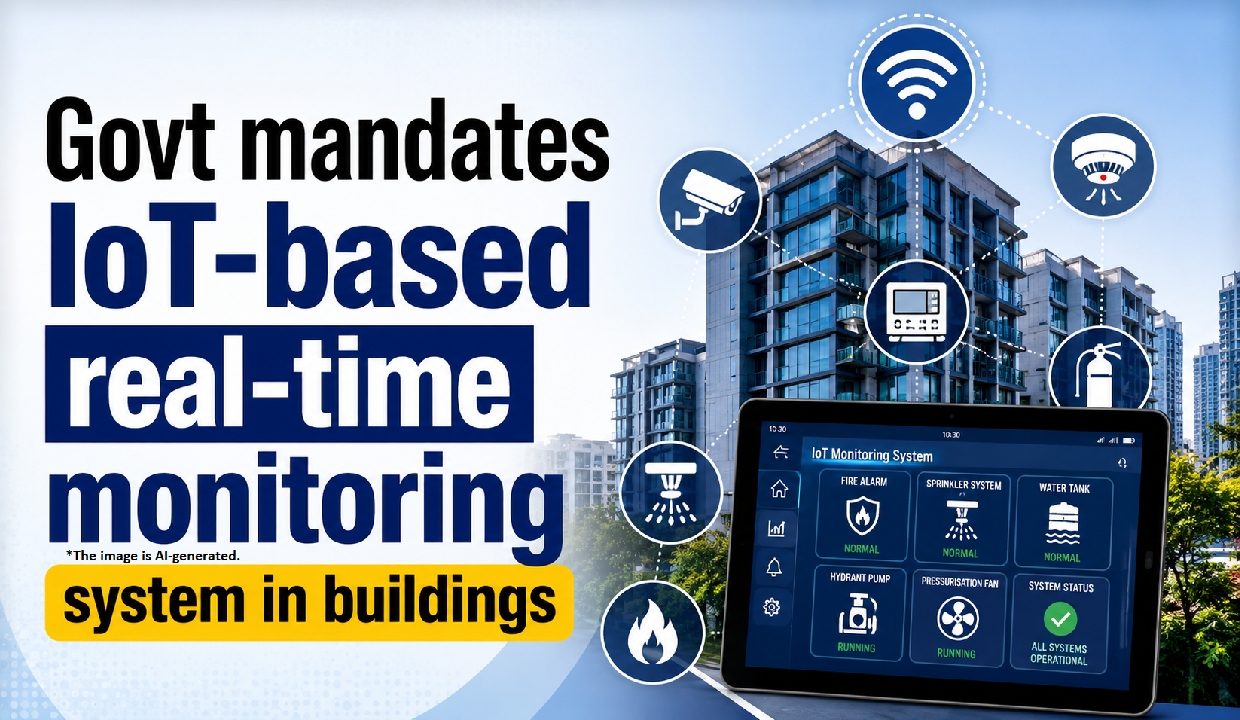
The new provision is part of the Delhi Fire Service (Amendment) Rules, which emphasize the importance of both active and passive fire safety systems. The ACMS will monitor a range of critical firefighting infrastructure, including hydrant pumps, sprinkler systems, fire water tanks, detection systems, manual call points, public address systems, pressurization fans, and basement ventilation systems.
The monitoring will utilize IoT gateways connected to cloud-based servers that generate real-time alerts and reports. Building owners, occupiers, and empanelled fire safety auditors will receive notifications through mobile applications, emails, and SMS, enhancing communication and response during emergencies.
The implementation of the ACMS will occur in two distinct phases. Phase one, which becomes effective immediately following the notification, will allow building owners and relevant stakeholders to access system health reports and alerts. In phase two, essential alarms—such as pump power failures and sprinkler system faults—will also be transmitted directly to the Delhi Fire Service (DFS), providing an added layer of responsiveness.
The monitoring system must track vital firefighting components, including main hydrant pumps, diesel and electric standby pumps, jockey pumps, booster pumps, and both underground and overhead fire water tanks. Additional components monitored will include sprinkler risers, fire alarm control panels, manual call points, and various ventilation systems.
As per the guidelines, the IoT system is required to utilize machine-to-machine communication via the MQTTS protocol and maintain cloud connectivity through reliable wired or wireless means, including 4G, 5G, and Wi-Fi.
This initiative by the Delhi Government aims to create a safer urban environment by ensuring that fire safety systems remain operational and effectively monitored, ultimately improving emergency preparedness for residents and businesses in the capital.
The content above is a summary. For more details, see the source article.









