


Key Takeaways
- Denver is transforming turf around the City and County Building into a native landscape of grasses and wildflowers.
- This initiative aims to conserve water and promote environmental resilience.
- Mayor Johnston emphasizes the project’s role in inspiring residents to adopt sustainable landscaping practices at home.
Denver’s Initiative for Sustainable Landscaping
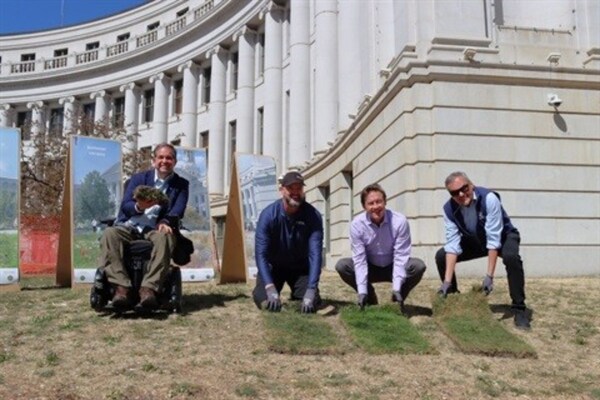
Denver is undertaking an innovative landscaping project at the City and County Building to showcase its commitment to sustainability and resilience. This initiative focuses on converting traditional turf into a vibrant landscape composed mainly of native grasses and wildflowers.
The shift from conventional turf to a diverse array of native plants is designed not only to enhance the aesthetic appeal of the area but also to significantly conserve water resources. Denver, like many urban areas, faces challenges related to water usage, particularly in landscaping. By implementing this new design, the city aims to set an example for residents on how they can improve water efficiency in their own yards and communal spaces.
Mayor Johnston has expressed the importance of this project, stating that it reflects the city’s dedication to fostering a more resilient environment. The initiative is presented as both a practical solution to local water conservation issues and an educational tool, encouraging Denverites to rethink their landscaping choices. By showcasing what’s achievable with native plant species, the city hopes to inspire individuals to replicate similar practices in their private spaces.
In addition to its environmental benefits, this project is expected to contribute positively to local biodiversity. Native plants typically support local wildlife, from pollinators like bees and butterflies to various bird species. The city aims to create an ecosystem that thrives on its own, minimizing the need for chemical fertilizers and excessive maintenance.
Overall, this landscaping transition symbolizes a broader push for sustainable living and resilience against climate change. Denver officials believe that by making these changes at a prominent location, they will encourage residents to engage in similar environmentally-conscious practices, helping to foster a community that prioritizes sustainability in various aspects of everyday life.
As this initiative unfolds, the city anticipates significant community interest, providing educational resources to help residents learn more about the benefits of native landscaping. The outcome of this transformative project could potentially pave the way for further green initiatives throughout Denver, reinforcing the importance of ecological awareness and stewardship in urban settings.
The content above is a summary. For more details, see the source article.









