


Key Takeaways
- Multiple AI agents can collaborate efficiently if their roles and objectives are clearly defined.
- Orchestrators play a crucial role in coordinating interactions among AI agents for optimal problem-solving.
- AI agents can tackle complex problems typically requiring extensive human expertise in a streamlined manner.
The Role of AI Agents in Problem Solving
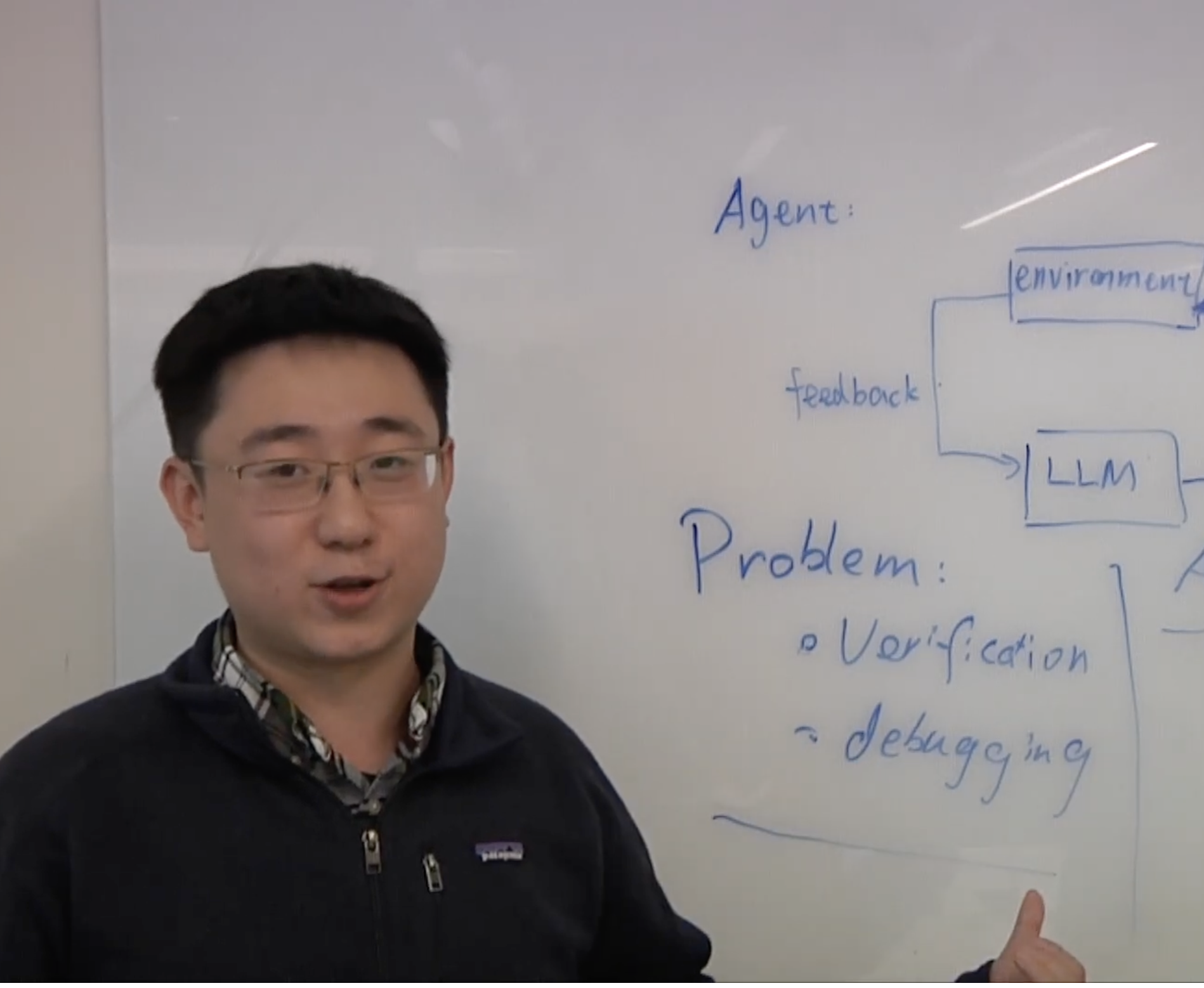
AI agents have emerged as pivotal tools in addressing complex challenges that traditionally require extensive teams of expert engineers. According to Kexun Zhang, head of research at ChipAgents, these AI agents can significantly enhance efficiency and effectiveness in solving intricate problems, particularly in areas like Application-Specific Integrated Circuit (ASIC) flows.
When multiple AI agents are deployed, the potential for faster solutions increases; however, this is contingent on defining their roles and setting specific targets. The synergy among agents is critical, as uncoordinated efforts can lead to inefficiencies and duplicated work. This is where orchestrators come into play. They are essential for managing the interactions between agents, ensuring that each contributes effectively towards the common goal.
Zhang emphasizes the importance of parsing problems into manageable segments. By breaking down complex issues, orchestrated groups of AI agents can tackle each segment strategically. This approach not only maximizes productivity but also minimizes the likelihood of oversight and error that can occur in larger, less coordinated teams.
Furthermore, the application of these multi-agent systems extends beyond simple task delegation. They can be trained and tailored to address specific domains, allowing for more profound insights and solutions. The orchestration of these agents enables organizations to leverage their collective intelligence, producing innovative outcomes that would otherwise take considerable time and resources if approached conventionally.
In summary, the integration of AI agents with a clear organizational structure and the guidance of orchestrators can revolutionize how complex engineering challenges are approached, driving faster and more efficient resolutions. This innovative approach is particularly relevant in semiconductor engineering, where precision and rapid problem solving are crucial.
The content above is a summary. For more details, see the source article.









