


Key Takeaways
- Trieste, Italy, is adapting to significant changes in its energy management and port operations.
- Digital twin technology is enhancing the city’s ability to manage its energy grid efficiently.
- Siemens’ Smart Infrastructure initiative is playing a crucial role in Trieste’s transition toward electrification and sustainability.
Trieste’s Transformation Amid Change
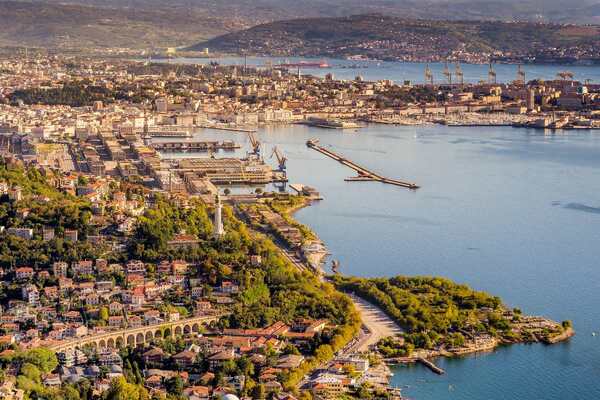
Trieste, located in Northeast Italy, is renowned for its ability to navigate change, particularly in its port and energy sectors. The city is currently undergoing a transformation aimed at modernizing its infrastructure to meet new energy demands. Key to this evolution is the implementation of digital twin technology, which allows for real-time management of the city’s energy resources.
During the Siemens Smart Infrastructure Italian Press Tour in June 2025, Paul Wilson emphasized the significance of Trieste’s port, which is evolving in tandem with the global push toward electrification. This shift involves substantial upgrades to both the port’s operations and the city’s energy grid to ensure they are sustainable and efficient.
Digital twin technology serves as a critical asset in this process. By creating a virtual representation of the physical energy grid, city planners and engineers can monitor, simulate, and optimize energy flows more effectively. This technology is pivotal for anticipating energy demands and reducing waste, ultimately leading to a more reliable energy ecosystem in Trieste.
The partnership with Siemens marks a significant step toward achieving sustainability goals while also enhancing the overall resilience of urban infrastructure. Continuous adaptation and investment are essential as Trieste seeks to harness its potential amidst fluctuating global energy demands and environmental challenges.
Trieste’s proactive approach, driven by innovative technology and strategic partnerships, positions it as a model for other cities facing similar challenges in energy management and infrastructure modernization. The city’s dynamic attitude toward change underscores its commitment to balancing historical significance with contemporary needs, embracing both tradition and innovation as it navigates the future.
The content above is a summary. For more details, see the source article.









