


Key Takeaways
- Drones are now essential tools in agriculture for real-time crop monitoring, enhancing decision-making for farmers.
- Various service providers offer drone services, from full-service solutions to regionally focused operators, catering to different needs.
- Timely data from drones can help identify issues like disease or nutrient deficiencies, improving input efficiency and overall crop management.
The Growing Role of Drones in Agriculture
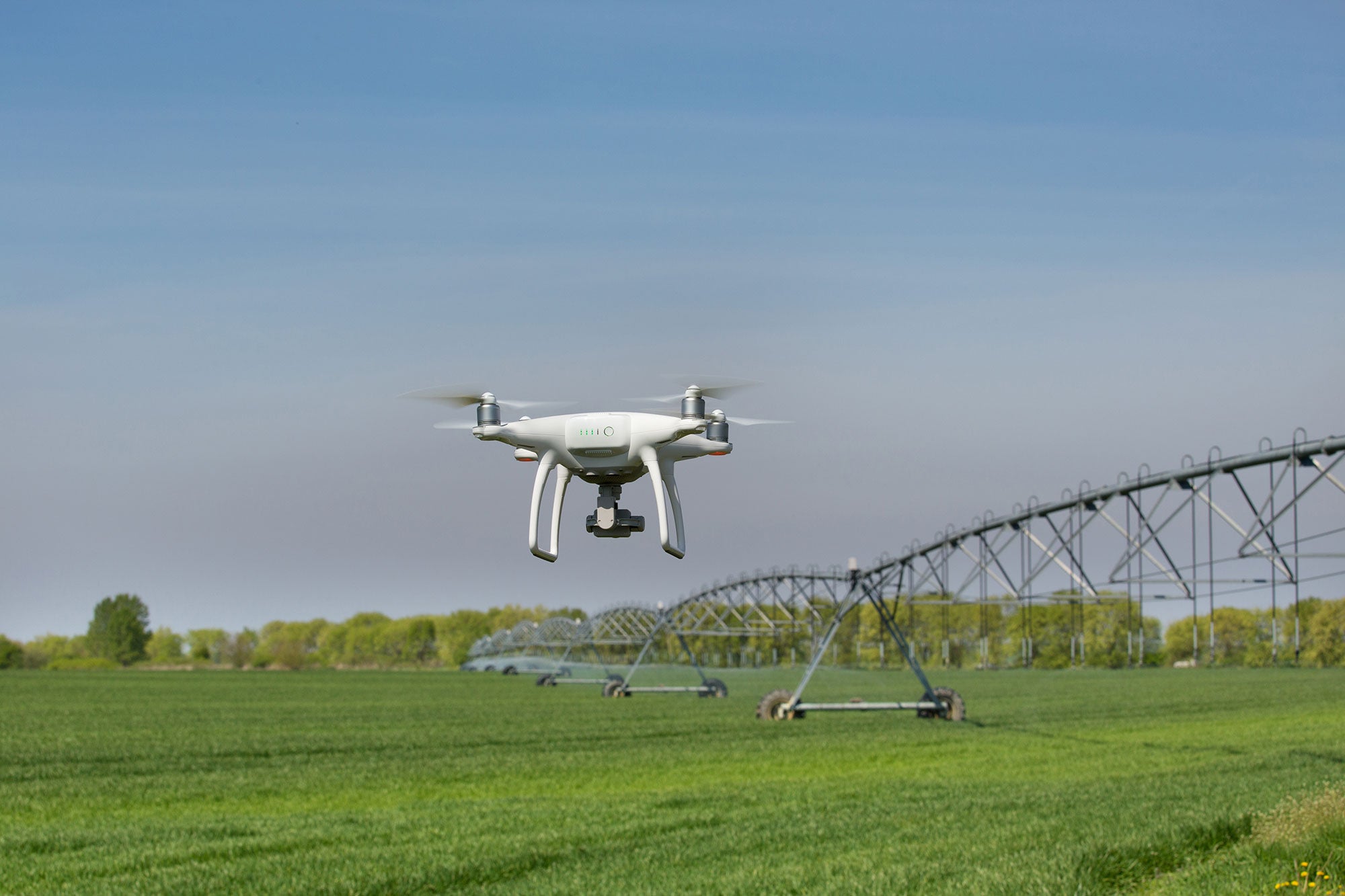
Drones, also known as unmanned aerial vehicles, have transitioned from innovative gadgets to vital tools for agricultural management. They provide real-time crop monitoring that complements traditional methods like soil tests and yield maps, according to a study published in the Smart Agricultural Technology journal.
For farmers looking to embrace this technology without the hassle of flying drones or analyzing data, numerous companies now offer complete drone services. Major players include DroneDeploy, which collaborates with service providers to deliver aerial mapping and crop health analysis. Rantizo has gained popularity in the Midwest by integrating drone monitoring with input application services. Taranis enhances traditional imaging by utilizing high-resolution imagery and artificial intelligence to pinpoint specific threats, while Aerobotics focuses on specialty crops, offering insights on plant health and yield forecasting.
Notably, PrecisionHawk, once a promising entity, filed for Chapter 7 bankruptcy in December 2023, illustrating the volatile nature of this market.
In addition to larger companies, many smaller, regional operators either operate independently or partner with agronomy firms, providing localized support. These operators often offer more flexible timing, which can be critical for addressing emergent issues quickly.
Additionally, a hybrid approach is gaining traction, where companies like Sentera and Skycision combine software platforms with drones operated by certified professionals. This model allows farmers to access updated aerial imagery and analytics without managing flights themselves. Companies like Nutrien Ag Solutions and Helena Agri-Enterprises have integrated drone technology into their precision agriculture platforms, facilitating seamless adoption for growers who already work with these retailers.
Ultimately, the advantages of drone technology for farmers are clear: enhanced visibility leads to better management. Drones can identify issues such as disease pressure or drainage problems that may be difficult to detect from the ground. This results in targeted scouting efforts and more efficient input applications.
However, the effectiveness of drone data hinges on timely delivery and actionable insights. Quality data is valuable only if it informs management decisions promptly.
In summary, the integration of drones into agriculture signifies a pivotal shift toward advanced precision farming, enhancing productivity and addressing challenges faced by modern agricultural practices.
The content above is a summary. For more details, see the source article.









