


Key Takeaways
- Patients now have easier access to medical records, but many struggle to interpret their test results.
- University of Michigan Health developed patient-friendly pathology reports that have significantly improved understanding among patients.
- Doctors encourage open discussions about test results to help patients better interpret medical terminology.
Advancements in Medical Reporting
In today’s healthcare landscape, patients enjoy unprecedented access to their medical records. However, a significant challenge remains: many individuals find it difficult to comprehend their test results. To tackle this issue, healthcare professionals are working to make medical information clearer and more accessible.
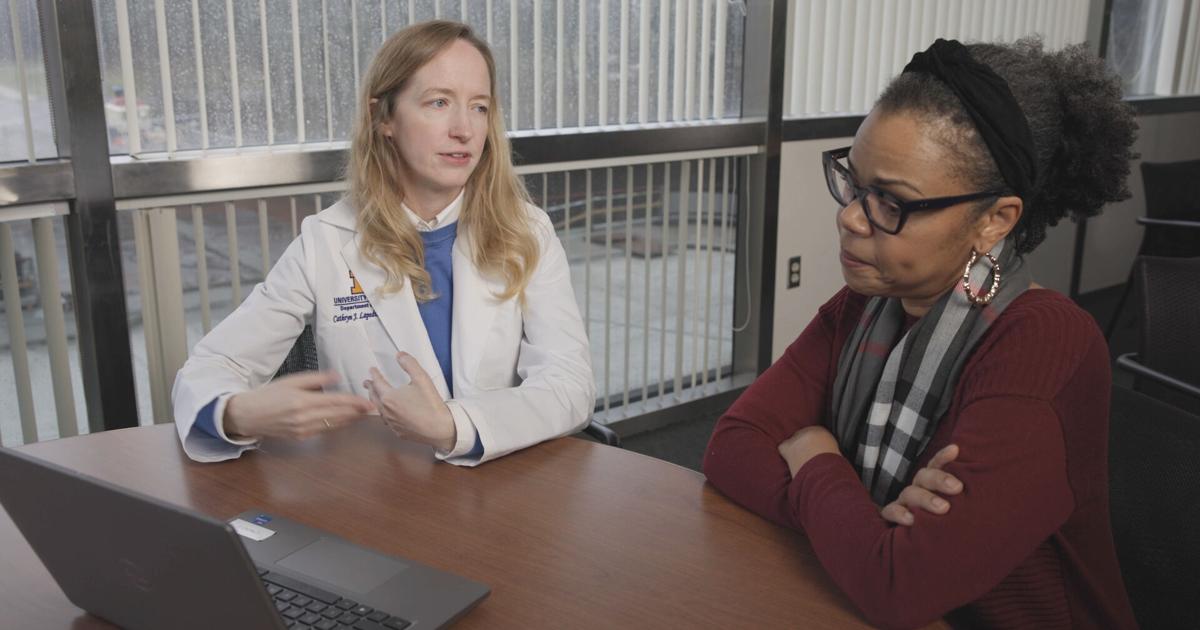
Hospitals are mandated to update electronic medical records promptly, allowing patients to view their test results before doctors have had a chance to review them. This often leads to confusion and anxiety, particularly when results indicate serious conditions. Dr. Cathryn Lapedis, a pathologist at the University of Michigan Health, points out that standard reports are not designed with patient understanding in mind. Research revealed that only 39% of patients could accurately identify cancer in traditional reports.
To enhance patient comprehension, Michigan Health introduced patient-centered pathology reports that utilize plain language. A study comparing standard prostate cancer reports to these accessible versions found that over 90% of patients who received the clearer reports could accurately identify diagnoses indicating cancer.
Despite these advancements, not all healthcare facilities have adopted similar practices. Dr. Lapedis advocates for proactive communication between patients and physicians. Before undergoing tests, patients should consult their doctors to clarify which terms to expect in their pathology reports. For example, they should inquire about terms like “prostatic adenocarcinoma,” which indicates prostate cancer, and “benign prostate tissue,” which suggests no cancer is present.
Patients are also encouraged to contact their hospital’s pathology department for further clarification if needed. As technology evolves, the emphasis on patient understanding becomes crucial in alleviating anxiety and fostering improved health outcomes.
The content above is a summary. For more details, see the source article.









