


Key Takeaways
- The proposed smart transport system integrates real-time monitoring to enhance efficiency and reduce waiting times.
- Focus on energy optimization allows for improved device connectivity and delivery rates, mitigating delays and enhancing user experience.
- New algorithms ensure accurate directional flow with reduced operational costs, improving the overall reliability of the transport network.
Innovative Smart Transport System Development
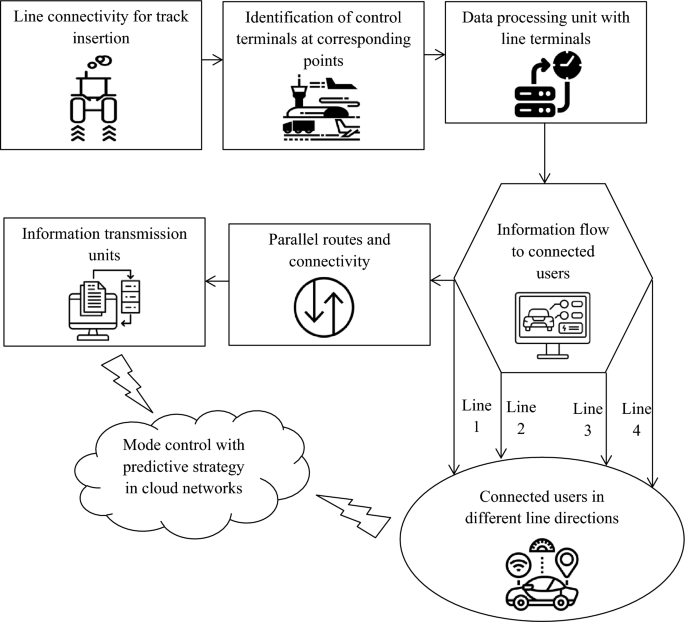
A new smart transport system has been introduced to address traffic flow issues in densely populated areas. By analyzing four different transport routes over 25 km, the system continuously adapts to real-time conditions to optimize line connectivity and user experience.
The study highlights that, upon determining the average wait times for passengers, transport units can be increased during peak hours, effectively reducing overall energy consumption. Initial findings suggest that the average wait time for users is cut by half, indicating that improved management of transport units significantly enhances user satisfaction.
Four operational scenarios were developed to evaluate the system’s impact: arrival rates, total delays, device energy, and directional flow connectivity. The integration of these scenarios ensures that necessary adjustments can be made to maintain seamless transport operations. The arrival rates of transport units have been optimized to align with passenger demand, leading to reduced waiting periods.
Transport units are now equipped with smart connectivity tools to keep delays minimal, especially in areas with high passenger density. Simulation results show that while previous systems struggled with significant delays, the proposed model significantly lowers latency, facilitating quicker transport times. As the density of users increases, the system is designed to make real-time adjustments to maintain efficiency.
Energy consumption metrics further demonstrate advances in device connectivity. By optimizing electricity usage within the transport units, the system guarantees higher delivery rates while reducing overall power waste. Improved energy utilization rates have been documented, indicating that devices can now function optimally while managing increased passenger loads.
A core element of the proposed system is the effective management of directional flows. Each transport unit is designed with clear routing systems to ensure all users adhere to established paths, minimizing disruptions. This is particularly important in urban areas where traffic and environmental variables can hinder service efficiency.
Robustness and time complexity analyses confirm the reliability of the proposed approach. The system can minimize waiting periods, adapting to increased user demands through finely-tuned algorithms. Enhanced performance metrics highlight that the new strategies not only cut down on waiting times but also reduce operational errors, creating a more efficient transportation experience for users.
In conclusion, the smart transport system represents a significant advancement in urban mobility management. Through real-time connectivity and energy-efficient operations, the system promises to significantly improve the experience of urban commuters while addressing the ongoing challenges posed by growing populations and transportation demands.
The content above is a summary. For more details, see the source article.









