


Key Takeaways
- New Samsung Health features enhance health tracking by focusing on sleep, fitness, and nutrition.
- The Galaxy Watch introduces revolutionary tools like Vascular Load and Antioxidant Index for personalized health insights.
- Health technology is shifting from passive monitoring to proactive management, influencing everyday choices.
Transforming Health Through Technology
Recent advancements in technology, particularly wearable devices, are reshaping personal health management. Unlike previous generations, today’s technology encourages users to actively engage in self-care through diverse tracking options related to nutrition, exercise, and sleep. This shift emphasizes the importance of health in daily decision-making, with every action—be it dietary choices or physical activity—serving as an act of self-care.
The trend towards healthier choices is particularly evident among younger demographics. Participation in run clubs, for instance, surged by 59% globally in 2024, suggesting a commitment to wellness that goes beyond individual improvement to foster social connections, with some even leading to romantic relationships.
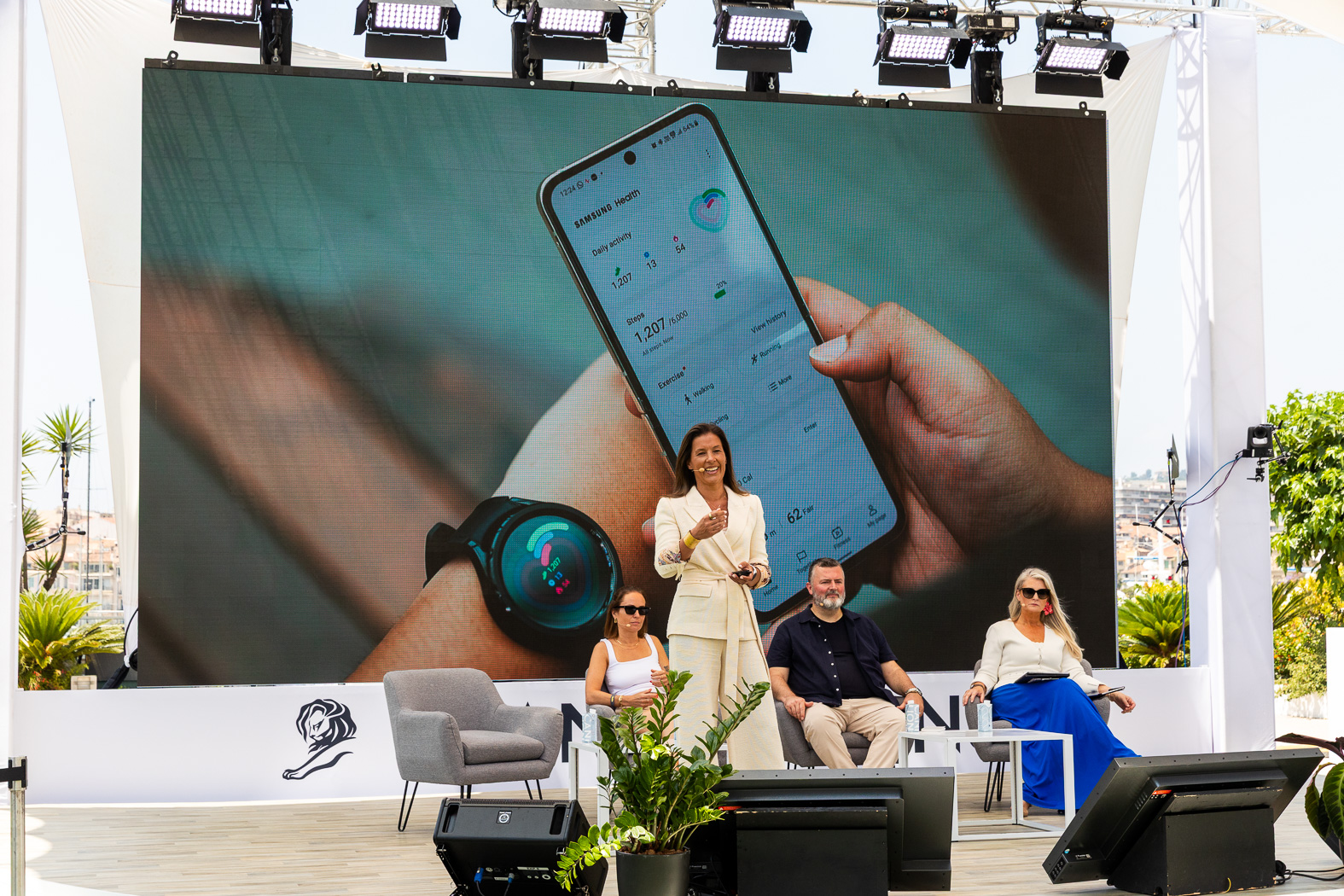
During the Cannes Lions International Festival of Creativity, Samsung unveiled new features for its Health platform, aimed at empowering users towards better health outcomes. Dr. Hon Pak, Senior VP of Samsung’s Digital Health Team, discussed the significance of sleep as the foundation of overall health, impacting everything from social interactions to workplace performance.
Samsung’s latest innovations on the Galaxy Watch integrate advanced health metrics, such as measuring vascular load, which indicates stress on the vascular system during sleep—an essential indicator of heart health. Another groundbreaking feature, the Antioxidant Index, allows users to assess carotenoid levels—the antioxidants found in nutrient-rich foods—within their skin, effectively translating nutrition into tangible feedback on health.
These features present a shift toward preventative health management, where technology not only monitors conditions but actively shapes user behaviors. The Galaxy Watch, equipped with a BioActive sensor, enables quick assessments of carotenoid levels, demonstrating how dietary habits manifest in health metrics.
As health tech advances, choices will increasingly reflect individual health data, influencing everything from food consumption to entertainment preferences. Brands must adapt by showing their commitment to supporting well-being, rather than simply chasing trends. This evolution requires a focus on meaningful innovation that aligns with human biology and immediate needs.
Samsung aims to lead this charge, committing to creating technology that prioritizes user health. The ultimate goal is not just innovation for technology’s sake but fostering an environment where people can genuinely thrive, supported by data-driven insights for better decision-making.
The content above is a summary. For more details, see the source article.









