


Key Takeaways
- The EPA will rescind regulations on four PFAS chemicals while maintaining limits on PFOA and PFOS.
- A new compliance deadline for PFOA and PFOS is being proposed, extending it from 2029 to 2031.
- The agency faces ongoing litigation regarding these drinking water rules, claiming outdated data in previous regulations.
Regulation Changes Announced
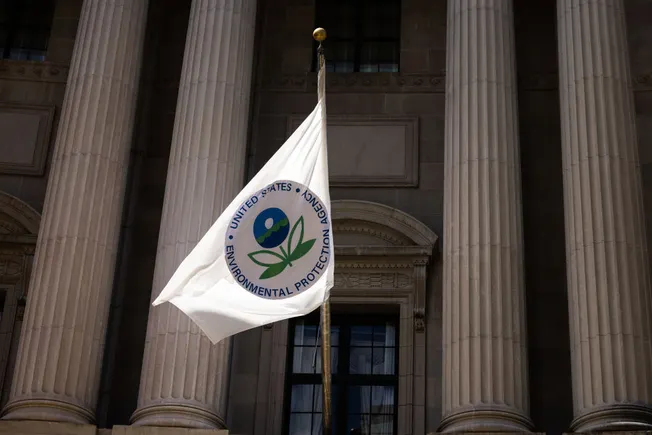
The U.S. Environmental Protection Agency (EPA) has announced plans to roll back key parts of the National Primary Drinking Water Regulation by rescinding regulations for four per- and polyfluoroalkyl substances (PFAS): PFHxS, PFNA, PFBS, and GenX (HFPO-DA). Regulations for PFOA and PFOS will remain intact. This decision reverses significant elements of the drinking water rule established under the Biden administration in April, which mandated enforceable limits for these six chemicals known to pose health risks.
The drinking water regulations are critical for wastewater treatment facilities, as they set benchmarks for managing leachate and groundwater quality. The changes may also present business opportunities for waste management companies that service industrial clients. Furthermore, the EPA plans to extend the compliance deadlines for PFOA and PFOS, giving water system operators additional time to create plans to meet the maximum contaminant levels (MCLs). This proposed shift would change the compliance deadline from 2029 to 2031, with a formal proposal expected in the fall and a finalized rule anticipated by spring 2026.
Additionally, the EPA is launching the PFAS Outreach Initiative to assist water utilities, particularly in rural and smaller communities, in complying with the federal drinking water standards. The initiative aims to provide resources, tools, funding, and technical assistance to help these utilities effectively manage PFOS and PFOA levels. EPA Administrator Lee Zeldin has indicated support for a “polluter pays” model, aimed at alleviating the financial burden faced by utilities treated as “passive receivers” of PFAS.
Alongside these regulatory changes, the EPA is grappling with legal challenges. The American Water Works Association and the Association of Metropolitan Water Agencies have filed lawsuits against the agency, claiming that it did not utilize the most current data during the formulation of the drinking water standards. This ongoing litigation raises concerns over the compatibility of the regulations with the Safe Drinking Water Act, with a court appearance expected in the coming weeks to address the EPA’s request for an abeyance.
In defending these legal challenges, the EPA has expressed its commitment to support the U.S. Department of Justice, ensuring a robust defense of the PFAS National Primary Drinking Water Regulation concerning PFOA and PFOS. As the regulatory landscape continues to evolve, stakeholders in the water treatment sector and environmental advocacy groups will be closely monitoring the implications of these changes on public health and safety.
The content above is a summary. For more details, see the source article.









