

Key Takeaways
- The Trump administration will shut down all environmental justice offices, significantly affecting community oversight of pollution impacts.
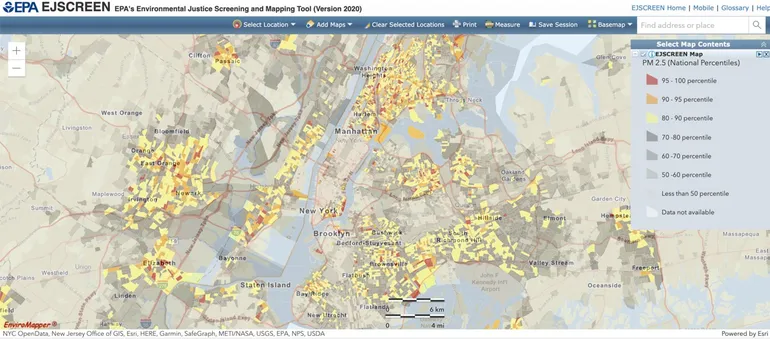
- The decision includes terminating crucial tools like EJScreen, a mapping resource used by companies and regulators to assess environmental justice factors.
- This shift marks a significant departure from the previous administration’s commitment to addressing pollution and health disparities in vulnerable communities.
Closure of Environmental Justice Offices
The Trump administration has announced the closure of all environmental justice (EJ) offices, including the Environmental Protection Agency’s (EPA) Office of Environmental Justice and External Civil Rights. This change aims to streamline federal oversight but threatens to diminish resources for communities grappling with environmental pollution. The shutdown also extends to key initiatives and tools designed to empower communities in tracking the environmental impacts of local facilities, including landfills.
The recent announcement comes after the EPA canceled several grants that were previously intended to support environmental justice projects. This marks a shift away from initiatives established during the Biden administration and suggests a trend towards reducing government’s role in addressing environmental inequalities.
Impact on Environmental Justice Initiatives
The Trump administration has characterized environmental justice programs as “forced discrimination” and intends to redirect resources away from these initiatives. During a recent statement, EPA Administrator Lee Zeldin articulated the administration’s stance, suggesting that funds designated for environmental justice have often been misappropriated to support partisan agendas rather than directly tackling pollution issues.
Critics, including environmental groups, have voiced strong opposition to these developments, arguing that they hinder community efforts to seek redress from pollution and hold industries accountable. Matthew Tejada, formerly of the EPA, criticized the administration’s approach, cautioned that it leads towards a scenario of increased pollution without adequate safeguards for public health.
Without the federal support that EJ initiatives provided, grassroots organizations and states with specific environmental justice laws are expected to bear the burden of monitoring and advocacy. The Environmental Protection Network condemned the closures, labeling it a detrimental setback for efforts aimed at protecting marginalized communities from environmental hazards.
Disruption of EJScreen and Future Tools
The termination of EJScreen—a mapping and screening tool that offered critical data on health and socioeconomic factors in relation to environmental burdens—has raised concerns across the waste industry. Companies including WM and Republic Services had utilized EJScreen data for compliance and community relations, making its removal a setback for transparency and accountability.
Despite these closures, resources aimed at environmental justice are being salvaged. Some organizations have preemptively preserved parts of EJScreen’s functionality, with Harvard University and other groups working on unofficial versions of the tool. States such as Maryland, Massachusetts, and Minnesota have already established their environmental justice mapping tools to maintain some level of oversight and data access.
Such state-level initiatives continue to recognize the need for detailed environmental analyses in areas experiencing cumulative pollution effects. In 2023, Minnesota enacted the Frontline Communities Protection Act, ensuring that businesses undertake thorough environmental assessments when applying for permits. Similar laws are emerging in New Jersey and Massachusetts, acknowledging the pressing need to evaluate pollution impacts comprehensively.
This ongoing shift in federal policy may create challenges for advocates and regulators, but it also illustrates the resilience of local movements and state-level initiatives aimed at promoting environmental justice.
The content above is a summary. For more details, see the source article.