


Key Takeaways
- Smart home products, especially smart thermostats, are increasingly popular in the HVAC industry for optimizing energy efficiency and convenience.
- Contractors face challenges integrating these products due to power requirements and user tech-savviness but can find solutions in models designed for easy installation.
- Effective pricing strategies include bundling smart products with HVAC services to enhance sales and customer value.
Smart Products in HVAC: Trends and Insights
The HVAC industry is increasingly influenced by consumer demand for convenience, efficiency, and reduced utility costs, leading to the growing popularity of smart products. Tom Lorenz, director of product at Copeland, emphasizes that smart thermostats are prominent in this trend, enabling homeowners to manage energy consumption remotely, save on bills, and receive detailed usage reports. Other products like video doorbells, smart speakers, and integrated home solutions are also gaining traction.
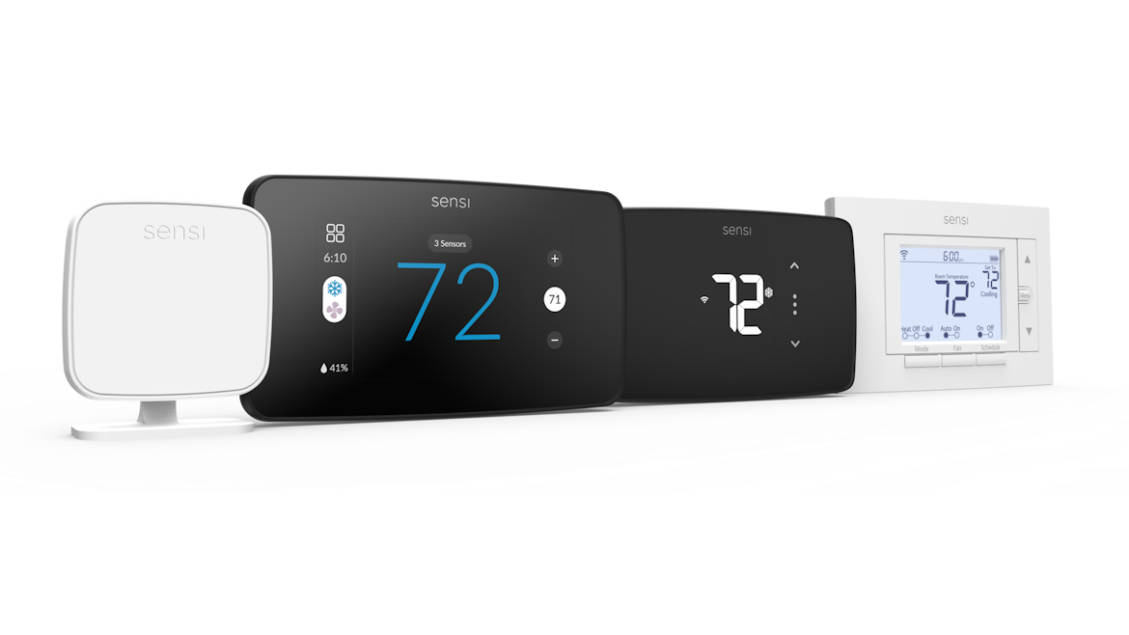
However, contracting professionals may encounter challenges when integrating smart home products into existing HVAC systems. Many smart thermostats require a constant power source (C-wire), though Copeland’s Sensi line includes models that can operate without it, simplifying installation. Additionally, a stable internet connection is necessary for smart functionalities. While tech-savvy customers may find setup easy, less experienced users might need extra help; Copeland provides various resources such as tutorials and manuals to assist.
To successfully offer smart home solutions, technicians should familiarize themselves with the products, their benefits, and installation processes. It is recommended that they engage with customers effectively, focusing on energy savings, data privacy, and demonstrating firsthand product experience.
Common customer concerns revolve around ease of use, compatibility with existing smart devices, and privacy issues. Many smart products integrate seamlessly with platforms like Amazon Alexa and Google Assistant, but consumers should verify compatibility prior to purchase. Addressing security and privacy concerns transparently can also help relieve potential buyer apprehensions.
Finally, contractors can enhance sales by bundling smart home products with HVAC maintenance agreements or during system upgrades, providing added value and convenience for consumers.
The content above is a summary. For more details, see the source article.









